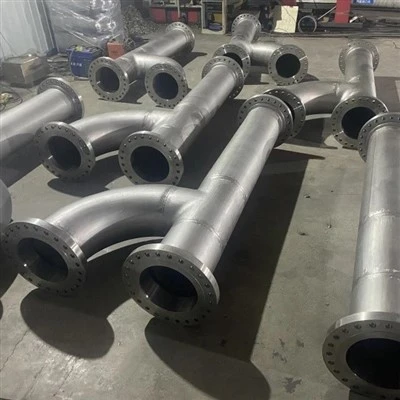
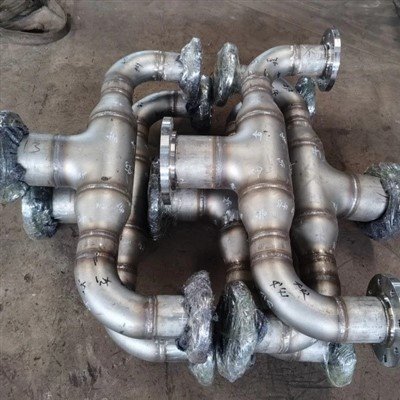
Alloy 31 is an iron-nickel-chromium-molybdenum alloy, renowned for its high corrosion resistance. Its chemical composition, per specifications like ASTM B625, typically adheres to the following range, with each element serving a critical purpose:

· Nickel (Ni): 30.0 - 32.0%
· Chromium (Cr): 26.0 - 28.0%
· Iron (Fe): Balance (approximately 35%)
· Molybdenum (Mo): 6.0 - 7.0%
· Copper (Cu): 1.0 - 1.4%
· Nitrogen (N): 0.15 - 0.25%
· Manganese (Mn): ≤ 2.0%
· Carbon (C): ≤ 0.015%
· Silicon (Si): ≤ 0.3%
· Phosphorus (P): ≤ 0.02%
· Sulfur (S): ≤ 0.01%
Alloy 31 Composition and Their Functions
1. Chromium (Cr): The Guardian of Passivity
Chromium is the fundamental element for "stainlessness." At a high concentration of 26-28%, it rapidly forms a stable, adherent, and self-repairing chromium oxide (Cr₂O₃) layer on the surface. This passive film is the primary shield against general corrosion and oxidizing environments.
2. Nickel (Ni): The Stabilizer and Enhancer
At 30-32%, nickel is the primary austenite stabilizer, guaranteeing a fully austenitic, non-magnetic, and exceptionally ductile microstructure down to cryogenic temperatures. It critically enhances resistance to Stress Corrosion Cracking (SCC) in chloride-bearing solutions and improves toughness.
3. Molybdenum (Mo): The Specialist Against Local Attack
The 6-7% molybdenum content is the key defender against pitting and crevice corrosion, particularly in environments containing chlorides and other halides. It fortifies the passive film in reducing acidic conditions. Its synergy with chromium and nitrogen is quantified by a high Pitting Resistance Equivalent Number (PREN > 43), signaling top-tier performance.
4. Nitrogen (N): The Multi-talented Strengthener
Nitrogen is a potent, intentional addition with triple benefits:
Solid-Solution Strengthener: It dramatically increases yield and tensile strength without sacrificing the alloy's ductility.
Austenite Stabilizer: It supplements nickel in securing the austenitic structure.
Corrosion Booster: It significantly enhances resistance to localized corrosion, acting synergistically with molybdenum.
5. Copper (Cu): The Acid Specialist
Copper, in the controlled range of 1.0-1.4%, imparts outstanding resistance to non-oxidizing acids, particularly sulfuric acid (H₂SO₄), across a wide range of concentrations and temperatures. This makes Alloy 31 uniquely suitable for acid production, pickling, and phosphoric acid processing plants.
6. Carbon (C) and Impurities: The Controlled Variables
The ultra-low carbon content (<0.015%) is crucial for weldability. It prevents the harmful precipitation of chromium carbides at grain boundaries during welding, thereby avoiding "sensitization" and preserving corrosion resistance in the heat-affected zone.
Strict limits on sulfur, phosphorus, and silicon further ensure excellent hot workability, clean fabrication, and optimal corrosion performance.
Alloy 31 Performance and Advantages

1. Unmatched Corrosion Resistance Profile
Alloy 31 offers a versatile and robust defense against a broad spectrum of corrosives:
Localized Corrosion: Exceptional resistance in seawater, brackish water, and chloride-rich process streams.
Acid Environments: Superior performance in sulfuric, phosphoric, nitric, and mixed acids, often outperforming standard stainless steels and even some nickel-based alloys.
Stress Corrosion Cracking (SCC): High immunity to chloride-induced SCC.
2. High Mechanical Strength with Good Ductility
The nitrogen addition provides Alloy 31 with a typical room-temperature yield strength (Rp0.2) of approximately 310 MPa, significantly higher than standard austenitics like 316L or 904L. This allows for potential weight savings through thinner section designs while maintaining good formability and toughness.
3. Excellent Fabricability and Weldability
Despite its high strength and alloying content, Alloy 31 can be successfully hot and cold worked, machined, and welded using standard techniques employed for austenitic stainless steels. Its low carbon content and balanced composition are key to its good weldability.
4. A Cost-Effective Engineering Solution
Positioned between standard duplex/super-austenitic steels and high-end nickel alloys, Alloy 31 often presents an optimal economic choice.
For many demanding applications, it provides the necessary performance at a lower total lifecycle cost, reducing expenses related to maintenance, downtime, and premature replacement.
Alloy 31 Mechanical Properties

In its solution-annealed state, Alloy 31 demonstrates excellent strength and ductility:
Yield Strength (0.2% offset): ≥280 MPa at room temperature, retaining ≥125 MPa at 550°C.
Tensile Strength: ≥650 MPa at ambient conditions, with good retention up to 450 MPa at 550°C.
Elongation: ≥40%, ensuring formability and impact resistance (≥185 J/cm² at RT, ≥140 J/cm² at -196°C).
Hardness: Typically 150–220 HB, with higher work-hardening rates than standard 300-series steels, necessitating annealing for extensive cold forming. These properties support its use in pressure vessels per ASME Code Case 2122, with operational limits from -196°C to 550°C.