As a specialist in nickel alloy sales with extensive global sourcing experience, one of the most frequent questions we encounter is, "How much is Nickel 200?"

While a simple online search might yield tempting per-kilogram figures, the reality of pricing for high-performance alloys like Nickel 200 (UNS N02200) is far more nuanced.
This guide breaks down the current price for Nickel 200 products.
Current Prices of Nickel 200 Products
As of December 22, 2025, Nickel 200 product prices are influenced by the base London Metal Exchange (LME) nickel price, which stands at approximately $14,560 per metric ton (or $14.56 per kg).

However, finished Nickel 200 products command premiums due to purity and processing. Below is a breakdown of indicative prices for common forms, sourced from market reports and suppliers.
These are approximate ranges in USD per kg or per lb, subject to fluctuations, order volumes, and regional factors. For exports, bulk purchases can reduce costs by 10-20%, while tariffs may add 5-15%.
Sheets and Plates

Nickel 200 sheets and plates are popular for fabrication in corrosive settings.
Current market prices typically range from $25 to $45 per kg, depending on thickness and finish. For instance, standard sheets might start at around $30 per kg for smaller quantities, while plates for industrial use can reach $40-45 per kg with ASTM certifications.
In USD per lb, this equates to about $11.34 to $20.41, reflecting premiums over raw nickel's $6.64 per lb.
Bars and Rods

Nickel 200 bars and rods are used in machining and structural components.
Prices generally fall between $35 and $70 per kg, influenced by diameter and length. Entry-level bars might be quoted at $35-40 per kg, while precision-ground or custom-sized rods can exceed $60 per kg.
This range accounts for manufacturing complexities and is about 2-3 times the base nickel price of $14.65 per kg.
Pipes and Tubing

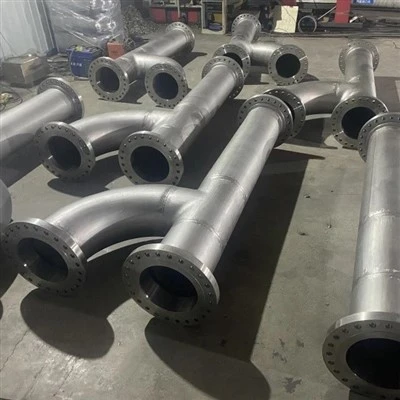
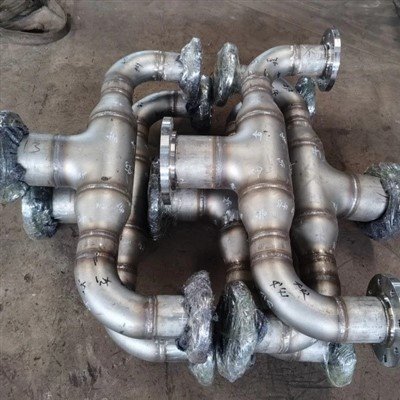
For applications in chemical transport and heat exchangers, Nickel 200 pipes and tubing are priced at $25 to $50 per kg.
Seamless tubing often starts at $30 per kg for standard sizes (e.g., 1/4" to 2" OD), while welded pipes for larger diameters can reach $45-50 per kg.
In regions like the U.S., imported tubing averages this range, with surcharges adding $6.10 per lb for Nickel 200. Converted, that's roughly $13.45 per kg in additional costs.
Wire

Nickel 200 wire, essential for electronics and welding, ranges from $30 to $55 per kg, varying by gauge and spool size.
Fine wire for specialized uses might hit the upper end, while bulk industrial wire stays around $35-40 per kg. This premium stems from drawing processes, aligning with pure nickel forms that fluctuate with the market's $15.47 per kg average.
For precise quotes, factors like MOQ and lead times are crucial, especially in export scenarios where logistics add costs.
5 Factors Influencing Nickel 200 Prices
As an experienced exporter and specialist in the nickel alloy market, I have categorized the primary drivers of Nickel 200 (UNS N02200) pricing into five critical factors.

1. Raw Material Volatility
The price of Nickel 200 is fundamentally tethered to the London Metal Exchange nickel price. Since the alloy is commercially pure, its cost structure is more sensitive to raw metal price swings than complex superalloys.
Manufacturers typically mitigate this volatility by applying a monthly alloy surcharge, which aligns the invoice price with the current market value of nickel cathodes at the time of order or shipment.
2. Manufacturing and Conversion Premiums
Beyond the raw metal cost, the complexity of the finished product form significantly dictates the final price. Converting a raw nickel ingot into high-precision seamless pipes or ultra-fine wires requires multiple stages of vacuum induction melting, hot/cold rolling, and specialized annealing.
These "conversion premiums" account for energy consumption, labor, and machinery wear, with more labor-intensive geometries commanding higher margins than standard plates or round bars.
3. Purity Levels and Technical Specifications
Compliance with stringent international standards-such as ASTM B160, B161, or B162-adds a layer of operational overhead. If a project requires dual certification (Nickel 200/201) or specific mechanical properties, the production yield may decrease, raising the unit price. Furthermore, rigorous quality assurance measures are reflected as line-item premiums in professional quotes.
4. Global Logistics and Trade Policy
As an internationally traded commodity, the "landed cost" of Nickel 200 is heavily influenced by freight dynamics and geopolitics. Fluctuations in ocean and air freight rates, combined with import duties, anti-dumping measures, or Section 232 tariffs, can add a 15% to 25% premium to the base price.
Additionally, since nickel is priced globally in USD, the strength of the dollar against the manufacturer's local currency plays a pivotal role in export pricing competitiveness.
5. Market Demand and Inventory Cycles
When global inventory levels at distribution hubs are low, or when lead times from primary mills extend beyond 16–20 weeks, "spot prices" for available stock rise sharply. Conversely, during periods of industrial slowdown, stockists may offer more aggressive pricing to liquidate high-value inventory and maintain cash flow.
In conclusion, while the "price of Nickel 200" is anchored to the LME, your final cost is a product of choices.