ASTM A182 F316 Introduction
ASTM A182 F316 is a material specification developed by ASTM International. It defines the technical requirements for forged or rolled alloy and stainless steel pipe flanges, forged fittings, valves, and other high-pressure components.
The "F316" part specifically refers to forgings made from the "316" grade of austenitic stainless steel. Essentially, A182 F316 tells manufacturers exactly what properties a forged part made from Type 316 stainless steel must meet to be considered fit for purpose in critical applications where corrosion resistance and strength are essential.
A182 F316 Chemical Composition
The corrosion resistance of A182 F316 stems primarily from its carefully controlled chemical makeup. Like standard Type 316 stainless steel sheet or plate (covered by ASTM A240), A182 F316 relies on three main elements:
- High Chromium (Cr): Minimum 16.0%. Chromium forms an invisible, self-repairing protective oxide layer on the surface (passivation), providing the fundamental "stainless" characteristic.
- Sufficient Nickel (Ni): Minimum 10.0%. Nickel stabilizes the austenitic crystal structure, ensuring good toughness, formability, and weldability, even at low temperatures.
- Added Molybdenum (Mo): Minimum 2.0%. This is the key differentiator from 304 stainless steel. Molybdenum significantly boosts resistance to pitting and crevice corrosion, especially in environments containing chlorides (like seawater, salt, bleach) or weak acids.
The standard provides strict ranges or maximum limits for other elements like Carbon (C), Manganese (Mn), Phosphorus (P), Sulfur (S), Silicon (Si), Nitrogen (N), and may include optional elements like Copper (Cu). Low Carbon variants (A182 F316L) are available for applications where welding or exposure to high temperatures could cause harmful carbide precipitation. The exact chemical composition limits are mandatory and verified by testing at the foundry and mill producing the forging stock.
A182 F316 Mechanical Properties
ASTM A182 F316 doesn't just specify chemistry; it defines the minimum mechanical strength and ductility the finished forgings must achieve after final heat treatment (typically solution annealing and rapid cooling to dissolve carbides and restore corrosion resistance). Key mechanical properties include:

- Tensile Strength: This measures the maximum force the material can withstand while being stretched before breaking. ASTM A182 F316 typically requires a minimum tensile strength around 70 ksi (485 MPa).
- Yield Strength: This indicates the force level where the material starts to permanently deform (stretch) under load. It tells you the minimum force needed to bend the part. The minimum yield strength for A182 F316 is usually about 25 ksi (170 MPa) or higher. This is vital for components handling high pressures.
- Elongation: This measures the percent increase in length a test piece undergoes before fracturing during the tensile test. A minimum elongation (e.g., 30% or 40% depending on bar size thickness) ensures the material is sufficiently ductile. Ductility is critical because it allows the material to absorb energy without sudden, brittle failure, which is essential for safety.
- Hardness: While not always a primary acceptance criterion in the base specification, maximum hardness limits (often around 217 HB Brinell) are usually enforced to ensure material suitability, particularly for weldability and resistance to sulfide stress cracking in sour service environments (NACE MR0175/ISO 15156). Hardness is routinely tested as it's a quick indicator of properties.
A182 F316 Applications
Forgings meeting ASTM A182 F316 are vital components in systems requiring high strength, pressure resistance, and superb corrosion resistance.
Typical uses include:
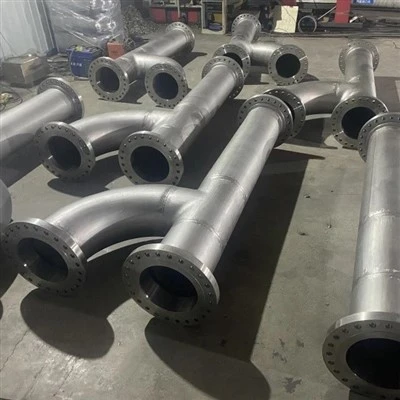
- Pipe Flanges: Connect pipes carrying corrosive fluids or gases under pressure. (Specified as part of flange assemblies under ASME B16.5 / B16.47).
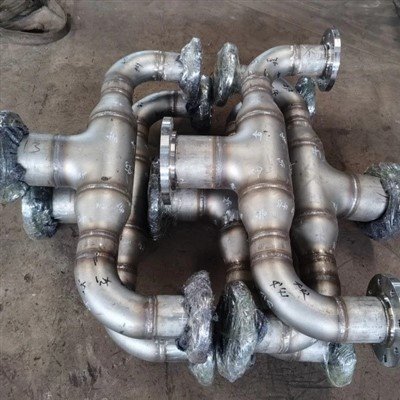
- Forged Pipe Fittings: Elbows, tees, reducers, couplings, unions, caps that route and change the direction of pipe runs in corrosive service. (Often specified under ASME B16.11).
- Valve Bodies and Stems: Critical components controlling fluid flow. The F316 material withstands both the pressure and the fluid being handled.
- Pressure Vessel Components: Nozzles, manways, and other forged attachments on tanks and reactors.
- Pump and Compressor Casings/Parts: Components subjected to flowing corrosive media under pressure.
- Offshore Oil and Gas: Equipment exposed to harsh seawater environments.
- Chemical and Petrochemical Processing: Handling acids, alkalis, solvents, and other aggressive chemicals.
- Pharmaceutical and Food Processing: Where corrosion resistance and cleanability are paramount.
Choosing Reliable A182 F316 Material Supplier
Specifying "A182 F316 Material" is not enough. Proven quality and traceability are non-negotiable for safety and longevity. Reputable manufacturers like JN offer:
- Full ASTM Compliance: Strict adherence to every chemistry, mechanical, heat treatment, and testing requirement.
- Comprehensive MTRs: Guaranteed traceability back to the original steel heat, providing documented proof the material meets F316 specs.
- Rigorous Quality Control: Implementation of multiple checks throughout manufacturing and NDT procedures (UT, PT, MT) per the standard and client requirements.
- Expertise in Forgings: Understanding the complexities of producing defect-free, high-integrity stainless steel forgings.
- Processing Capabilities: Ability to provide fully finished components (machined, bored, faced, grooved, threaded, etc.) meeting dimensional specifications.
Conclusion
ASTM A182 F316 isn't just a grade name; it's a comprehensive technical blueprint that defines the chemistry, strength, manufacturing methods, heat treatment, and mandatory quality control tests for Type 316 stainless steel forgings. Understanding it allows engineers, buyers, and inspectors to confidently specify and verify that the critical forged parts like flanges and fittings used in their high-pressure, corrosion-prone systems possess the inherent material quality and verified properties necessary for safe, reliable, and long-lasting performance.
Always demand certified compliance with the full A182 F316 specification and traceable MTRs when sourcing these critical components. This level of quality ensures your project gets the corrosion-resistant strength it needs. For demanding flanges, fittings, valves, and pressure parts, A182 F316 Material provides trusted performance, and JN ensures each piece meets this rigorous standard.