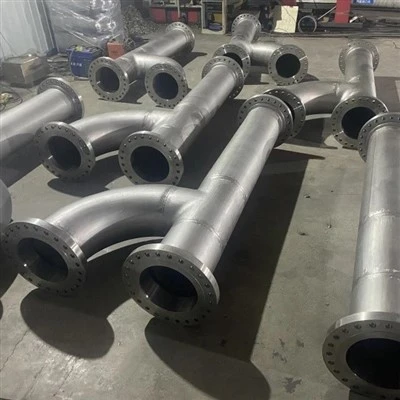
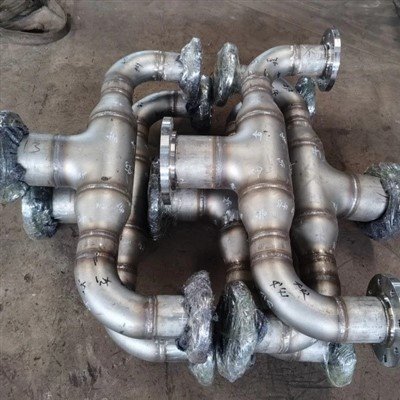
Understanding the A182 F304L Flange
In the complex world of piping systems, flanges play a vital role. They are the strong, reliable connectors joining pipes, valves, pumps, and other equipment, ensuring systems operate safely and efficiently under pressure. Among the many materials and specifications available, the A182 F304L stainless steel flange stands out as a remarkably popular and versatile choice. If you're involved in designing, maintaining, or sourcing parts for systems handling liquids, gases, or chemicals, understanding what makes the A182 F304L flange special is crucial. This guide explains its key features, benefits, and where it excels, using straightforward terms.

A182 F304L Material Advantages
The power of the A182 F304L flange comes directly from the material itself: Type 304L stainless steel. This is a specific "low-carbon" version of the widely used 304 stainless steel. The key difference is the reduced amount of carbon – limited to a maximum of 0.03%. Why does this matter? Lower carbon significantly reduces the risk of a problem called "sensitization" or "weld decay." When regular 304 stainless steel is heated during welding or high-temperature service, carbon can combine with chromium (the element that gives stainless steel its corrosion resistance) at the grain boundaries. This forms chromium carbides, depleting the chromium nearby and making those areas vulnerable to corrosion, especially along the weld lines. The A182 F304L grade avoids this by having less carbon available to form these harmful carbides, making it inherently more suitable for welding and for use in environments where exposure to corrosive elements is possible after fabrication. This gives it excellent resistance to a wide range of chemicals and environments encountered in many industries.
A182 F304L Flanges Common Applications
Thanks to its reliable corrosion resistance, good strength, ease of fabrication (especially welding), and cost-effectiveness, A182 F304L flanges are found almost everywhere. They are fundamental components in systems transporting water, steam, air, oil, and many chemicals. You'll frequently see them in the oil and gas industry for less severe corrosive services, within chemical processing plants handling various acids and solvents at moderate temperatures, and extensively in food and beverage processing as well as pharmaceutical manufacturing where hygiene and resistance to cleaning agents are paramount. They are also common in power generation plants, water treatment facilities, and general industrial piping. Essentially, wherever you need a durable, corrosion-resistant connection for fluids that aren't extremely aggressive or hot, the A182 F304L flange is often the go-to solution. Its excellent formability also makes it suitable for a wide range of flange types (like weld neck, slip-on, socket weld, blind, lap joint) and pressure classes.
ASTM A182 Standards
The "A182" part of the name is critical. This refers to the specific standard set by ASTM International (formerly the American Society for Testing and Materials) that governs these flanges: ASTM A182 / A182M Standard Specification for Forged or Rolled Alloy and Stainless Steel Pipe Flanges, Forged Fittings, and Valves and Parts for High-Temperature Service. This standard meticulously defines the requirements for the chemical composition (what elements are in the steel and in what amounts), mechanical properties (like strength and hardness), heat treatment processes, testing methods, and dimensions. Choosing flanges marked A182 F304L guarantees that the manufacturer has produced them according to these rigorous industry-accepted specifications, ensuring consistent quality, performance, and safety. Compliance with standards like ASME B16.5 (for dimensions and pressure ratings) and often certifications like PED (Pressure Equipment Directive in Europe) or NACE MR0175 (for sour service) further validate their suitability for demanding applications. Always ensure your supplier provides material test reports (MTRs) certifying compliance with ASTM A182 F304L.
Selecting the Right A182 F304L Flange
Choosing the correct A182 F304L flange involves several important factors beyond just the material grade. The Pressure Class (e.g., Class 150, 300, 600) indicates the maximum pressure the flange can handle at a given temperature – ensure it matches your system's requirements. Size (Nominal Pipe Size - NPS) must correspond to the pipes you are connecting. The Flange Face Type (Raised Face - RF, Flat Face - FF, Ring Type Joint - RTJ) is crucial for achieving a proper seal with the gasket and mating flange. The Flange Type itself (Weld Neck for high stress, Slip-On for ease of alignment, Socket Weld for small bore, Blind for sealing ends, Lap Joint for systems needing frequent disassembly) depends on your installation needs and budget. Finally, ensure the flange dimensions comply with the relevant standard, usually ASME B16.5 or ASME B16.47. Consulting piping specifications, design engineers, or experienced suppliers is highly recommended to ensure all these parameters align perfectly with your specific application's demands for pressure, temperature, fluid type, and required longevity.
Conclusion
The A182 F304L stainless steel flange remains a cornerstone of modern industrial piping for excellent reasons. Its combination of good corrosion resistance, weldability, strength, formability, and cost-effectiveness makes it an incredibly versatile and reliable choice for a vast array of applications. By selecting genuine ASTM A182 F304L flanges from reputable suppliers like JN Company, ensuring they meet all dimensional and pressure class requirements for your system, and understanding both their strengths and limitations regarding service environment, you gain a dependable connection solution built to last. When you need proven performance for moderate corrosive services, the A182 F304L flange consistently delivers value and peace of mind. Contact JN Company today for your A182 F304L flange requirements and expert support.