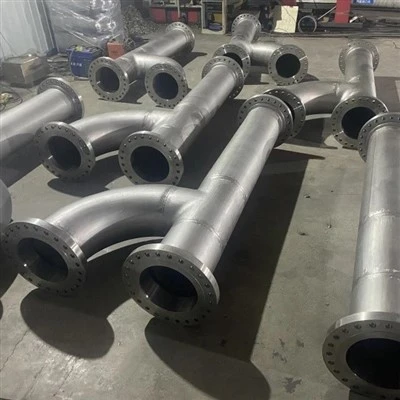
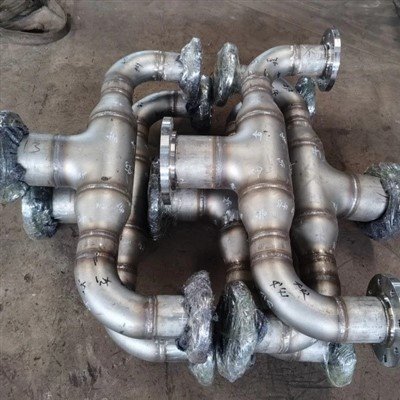
Steel 321H Socket Weld (SW) Reducer Inserts are specialized fittings designed for different diameters. Manufactured from the stabilized austenitic stainless steel grade 321H (ASTM A182), these fittings are engineered to withstand severe thermal and corrosive challenges.

High-Temperature Process Applications
Steel 321H SW Reducer Inserts are primarily used in high-temperature process systems where thermal stability and creep resistance are paramount.
The 321H grade, with its titanium stabilization and higher carbon content compared to standard 321 stainless steel, maintains exceptional mechanical properties at continuous service temperatures exceeding 1500°F (816°C).
This makes these reducer inserts indispensable in applications such as refinery hydroprocessing units, ethylene cracking furnaces, and power plant superheater systems where thermal cycling and prolonged high-temperature exposure would cause standard stainless steels to fail through sensitization and intergranular corrosion.
The socket weld design provides superior joint integrity compared to threaded connections, eliminating potential leak paths while accommodating thermal expansion without compromising the metallurgical integrity of the weld zone.
Corrosive Chemical Handling Systems
These inserts are essential for connecting dissimilar pipe sizes in highly corrosive chemical processing environments where standard materials would rapidly deteriorate.
The titanium stabilization in 321H stainless steel provides exceptional resistance to polythionic acid stress corrosion cracking and intergranular attack, particularly in environments containing sulfur compounds, organic acids, and oxidizing media.
In pharmaceutical manufacturing, where product purity is non-negotiable, or in chemical plants handling aggressive acids and solvents, the seamless transition provided by SW reducer inserts eliminates crevice corrosion opportunities while maintaining consistent flow characteristics.
Critical High-Pressure Piping Systems
Steel 321H SW Reducer Inserts provide reliable size transitions in high-pressure systems.
The socket weld configuration creates a full-penetration weld joint that can withstand pressures exceeding 3000 PSI while maintaining dimensional stability under fluctuating load conditions.
The inherent strength of 321H material, combined with the robust socket weld design, provides engineers with a maintenance-free connection that will outlast the operational life of most industrial facilities.
Nuclear and Aerospace Applications

The radiation resistance and exceptional thermal stability of 321H stainless steel make it the material of choice for primary coolant systems in nuclear reactors, where dimensional stability under radiation exposure and thermal cycling is essential.
In aerospace hydraulic systems and fuel lines, where weight-to-strength ratio and reliability under extreme conditions are critical, the precision-engineered SW reducer inserts provide leak-free transitions between different tube sizes while maintaining structural integrity during vibration and thermal shock.
Petrochemical Refining and Processing
Steel 321H SW Reducer Inserts enable reliable size transitions in the most demanding petrochemical environments, including catalytic reformers and hydrocrackers where sulfur-containing compounds and high temperatures create extreme service conditions.
The titanium stabilization prevents chromium carbide precipitation at grain boundaries during welding and high-temperature service, eliminating the primary failure mechanism in unstabilized stainless steels exposed to refinery process streams.
In delayed coking units and fluid catalytic cracking systems, where thermal cycling from ambient to over 1000°F occurs daily, these inserts maintain their dimensional accuracy and corrosion resistance far longer than alternative materials.
The socket weld design eliminates the thread crevices that would trap corrosive deposits and create initiation sites for stress corrosion cracking, providing plant engineers with a maintenance-free solution that significantly reduces unplanned shutdowns and extends system service life.
Power Generation Steam Systems

As power generation moves toward higher steam temperatures to improve efficiency, 321H stainless steel's ability to resist scaling and maintain strength at temperatures up to 1600°F becomes increasingly valuable.
In boiler feedwater systems, main steam lines, and reheat piping, the SW reducer inserts provide smooth transitions between different pipe sizes while withstanding the combined effects of high pressure, high temperature, and cyclic operation.
Oil and Gas Exploration
Steel 321H SW reducer inserts are applied in upstream oil and gas operations to join drill pipes and wellheads of different diameters, enduring sour service and high-pressure conditions.
Offshore and onshore extraction involves exposure to hydrogen sulfide and high temperatures, where 321H's stabilized microstructure resists sulfide stress cracking and maintains toughness in sour environments per NACE MR0175. These inserts enable size transitions in downhole tubing, such as reducing from 4" casing to 2" production lines, optimizing fluid extraction while withstanding pressures exceeding 5000 psi.
Their socket-weld configuration ensures gas-tight seals, critical for preventing blowouts and environmental spills. Produced with enhanced fatigue resistance through our advanced forging techniques, these fittings extend well life and reduce intervention costs.
Power Generation
In power plants, Steel 321H SW reducer inserts are employed to link boiler tubes and superheater lines of different sizes, supporting efficient steam generation in high-temperature environments.
Boiler systems in thermal power stations operate under intense heat and pressure, where 321H's stabilization prevents sensitization and intergranular cracking during prolonged exposure to 425-900°C. These inserts enable precise reductions in piping networks, such as transitioning from larger feedwater lines to smaller distribution tubes, which minimizes thermal expansion mismatches and vibration-induced failures.
Our factory produces these fittings with enhanced wall thicknesses for Class 3000 ratings, offering proven durability in coal, gas, and nuclear plants. By choosing 321H, operators achieve lower life cycle costs through reduced inspections and repairs, making it a compelling option for sustainable power production.
When procuring these components, always verify material certification (ASTM A182 F321H) and ensure they are marked with the correct grade and pressure class to meet the rigorous standards of your industry.