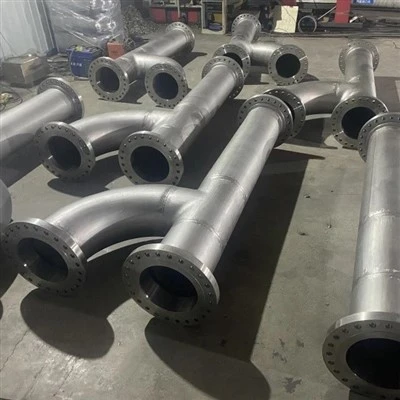
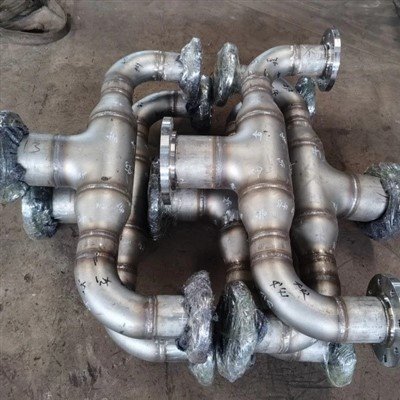
Stainless Steel F316Ti threaded forged fittings are essential components used to securely connect pipes carrying fluids or gases in demanding environments. Made by shaping solid metal under high pressure and heat, these fittings boast exceptional strength and durability. Their threaded ends – either male or female – allow for straightforward assembly and disassembly using common tools, making them ideal for maintenance or modifications without needing welding. This combination of robust construction and practical connection makes them a go-to choice across many tough industries.

What Makes F316Ti Stainless Steel Special?
F316Ti stainless steel stands out as a superior material, especially when compared to the common 304 or even the standard 316 grades.
The key difference lies in its chemistry: F316Ti contains added titanium (Ti). This element acts like a stabilizer. During high-temperature processes like welding, titanium combines more readily with carbon than chromium does. This prevents the formation of harmful chromium carbides along the grain boundaries of the metal. Why is this important? Chromium carbides deplete the surrounding area of chromium, the very element that gives stainless steel its rust resistance. This depletion can lead to a specific type of corrosion attack known as sensitization or intergranular corrosion, particularly in the heat-affected zones near welds.
The "L" in 316L also aims for lower carbon to reduce this risk, but F316Ti offers enhanced stability even under prolonged high-temperature exposure or after repeated welding cycles, making it exceptionally reliable for critical applications where long-term integrity is paramount.
Why Choose Forged Fittings?
The forging process itself significantly enhances the performance of F316Ti threaded fittings. Unlike fittings made by casting or machining, forging involves compressing and shaping solid metal billets under immense pressure while hot. This intense mechanical working aligns the metal's internal grain structure, eliminating voids and porosity common in castings. The result is a fitting with superior mechanical properties – significantly higher tensile strength, better impact toughness, and overall greater structural integrity.
Forged fittings are simply denser and stronger throughout their entire cross-section. This inherent strength allows them to reliably handle high system pressures, withstand mechanical stresses like vibration or shock, and offer a much longer service life in demanding operational conditions compared to cast alternatives.
Threaded Connections Advantages
Threaded ends provide a major practical benefit for F316Ti forged fittings. Male threads (external) screw directly into female threads (internal) on pipes, valves, or other components, creating a tight mechanical seal. This design allows for quick and relatively simple installation and dismantling using standard wrenches, without requiring specialized welding equipment or highly skilled welders. This is invaluable for projects where frequent maintenance, inspection, or system reconfiguration is anticipated, as components can be easily swapped out.
While achieving a perfect, leak-proof seal often requires the use of thread sealants like PTFE tape or pipe dope, the basic ease and speed of assembly make threaded connections highly efficient for a wide range of installations, especially in smaller pipe sizes or locations where welding is impractical or unsafe.
Why Choose F316Ti Threaded Forged Fittings
Thanks to the outstanding heat and corrosion resistance of F316Ti stainless steel, combined with the inherent strength and reliability of the forged construction, these threaded fittings are indispensable in environments where failure is not an option. They are widely used in aggressive chemical processing plants, safely handling corrosive acids, solvents, and other challenging media at elevated temperatures.
Offshore oil and gas platforms and marine applications heavily rely on them due to their excellent resistance to pitting and crevice corrosion caused by saltwater. Power generation facilities, pharmaceutical manufacturing requiring ultra-clean and durable systems, and demanding food and beverage processing lines also benefit from their robustness and longevity.
Essentially, anywhere high strength, maximum corrosion resistance, easy maintenance, and long-term reliability under harsh conditions are critical, F316Ti threaded forged fittings deliver proven performance.
Safe Considerations for Use
To ensure optimal performance and safety when using F316Ti threaded forged fittings, several key factors must be considered. Selecting the correct pressure rating is crucial to match the maximum operating pressure of your system. Proper installation technique is vital; this includes correctly applying the right type of thread sealant to prevent leaks and avoiding over-tightening, which can damage threads or distort the fitting.
While F316Ti offers excellent resistance to a broad range of chemicals, it's still essential to verify its compatibility with the specific media, temperature, and concentration in your application. Regular inspection for signs of wear, corrosion, or leaks is recommended as part of a proactive maintenance strategy to ensure ongoing system integrity and safety.
Conclusion
The unique titanium-stabilized chemistry of F316Ti provides exceptional resistance to corrosion and high temperatures, particularly safeguarding against sensitization after welding. The forging process delivers unmatched strength and structural integrity. Threaded connections offer practical installation and maintenance advantages. When your application demands long-lasting performance, reliability, and the ability to withstand corrosive chemicals, high pressures, or extreme temperatures, F316Ti threaded forged fittings provide a robust and dependable solution.