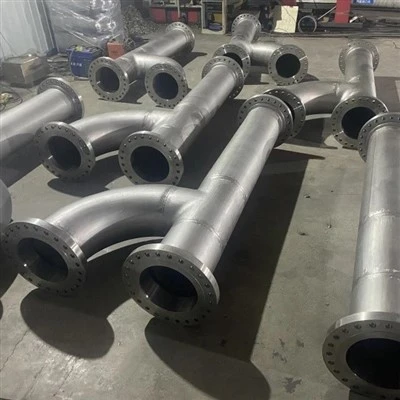
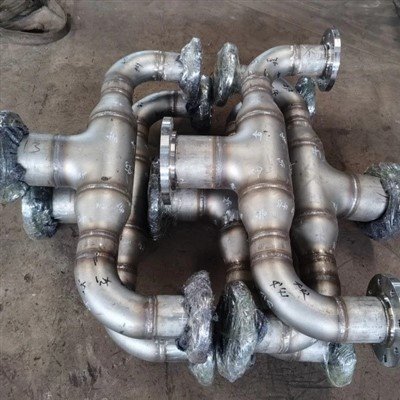
Stainless Steel 904L is a super-austenitic stainless steel engineered to withstand aggressive environments where standard alloys fail. With its high nickel, molybdenum, and copper content, this premium material offers exceptional resistance to reducing acids, chloride-induced corrosion, and seawater exposure.

For chemical processing, petrochemical, pharmaceutical, and offshore industries, understanding 904L pricing is essential for budgeting and procurement decisions in 2025.
What is 904L Stainless Steel?
904L (UNS N08904) is a high-performance, super-austenitic stainless steel containing 23-28% nickel, 19-23% chromium, 4-5% molybdenum, and 1-2% copper.
The copper content specifically enhances resistance to reducing acids like sulfuric and phosphoric acid, while the elevated molybdenum and chromium levels provide superior resistance to pitting and crevice corrosion in chloride environments.
This alloy is typically specified for critical applications where longevity and minimal maintenance outweigh initial material costs, making it a premium choice for demanding industrial applications.
904L Stainless Steel Price in 2025
As of mid-2025, the market price for 904L stainless steel typically ranges between $6.5 and $10.5 per kg for standard merchant forms, equivalent to approximately $6,500-10,500 per tonne. This wide range reflects variations in form, finish, country of origin, and order quantity.

The pricing remains significantly higher than standard austenitic stainless steels like 304 or 316L due to 904L's substantial alloy content, particularly nickel and molybdenum, which are subject to market volatility.
904L Stainless Steel Product Price
Different product forms of 904L command varying price points based on manufacturing complexity and material requirements:
|
Product Form |
Price Range (USD/kg) |
Applications |
|
Plate (heavy, cut-to-size) |
$7.5 - $10.5 |
Chemical processing vessels, pressure components |
|
Round/Flat Bar |
$6.5 - $9.5 |
Shafts, fasteners, pump parts, machining stock |
|
Seamless Pipe & Tube |
$6.5 - $10.0 |
Heat exchangers, piping systems, pressure tubing |
Regional Area Price Variations
Global 904L price varies significantly by region due to manufacturing costs, trade policies, and supply chain dynamics:
|
Region |
Price Range (USD/kg) |
Market Notes |
|
China (FOB) |
$6.0 - $9.0 |
Most competitive for large orders; minimum quantity requirements often apply |
|
United States |
$7.5 - $11.0 |
Higher due to domestic mill premiums and certification costs |
|
Europe |
$7.0 - $10.5 |
Stronger environmental compliance and QA requirements increase costs |
Factors Influencing 904L Stainless Steel Prices
Several key factors contribute to the premium pricing and cost volatility of 904L stainless steel:
Raw Material Costs: Nickel prices significantly impact 904L costs, with nickel expected to trade between $15,000 and $20,000 per metric ton in 2025. Molybdenum and copper premiums also contribute to overall pricing.
Manufacturing Complexity: The high alloy content makes 904L more challenging to process than conventional stainless steels, requiring specialized equipment and processes that add to production costs.

Certification Requirements: Mill Test Certificates according to EN 10204 3.1 or 3.2, along with additional testing and inspection requirements, contribute to higher costs, particularly for critical applications.
Form and Dimensions: Heavy plates and thick-walled pipes typically command higher prices per kg due to increased processing requirements and material utilization.
Order Quantity: Bulk purchases directly from mills typically offer better pricing compared to small-quantity merchant purchases.
904L Stainless Steel Price Trends
The outlook for 904L pricing remains subject to several key drivers. LME nickel price movements continue to be the dominant factor, supported by Indonesian mining restrictions and increased EV market demand.
Chemical and oil & gas capital expenditure cycles create periodic demand spikes, while regional trade policies and anti-dumping actions can significantly impact regional pricing dynamics.
Over the past five years, 904L has experienced considerable price volatility. From 2021 to 2023, prices widened significantly amid base metal volatility and logistics cost inflation.
While some normalization occurred in late-2024, the alloy remains substantially more expensive than standard austenitic stainless steels due to its high nickel and molybdenum content.
904L vs. 316L: Cost Analysis

While 904L carries a substantial price premium over 316L, the cost differential must be evaluated in specific environments:
Corrosion Resistance: 904L offers significantly better performance in chloride environments and reducing acids like sulfuric and phosphoric acid.
Long-Term Value: In aggressive chemical processing or seawater applications, 904L's extended service life and reduced maintenance often justify the higher initial investment.
Application: For less demanding environments, 316L remains a cost-effective alternative without compromising performance.
Sourcing 904L Stainless Steel Tips
When sourcing 904L stainless steel, several factors can help decide procurement costs:
Plan for Lead Times: Stock items typically deliver in 1-3 weeks, while custom productions may require 4-10 weeks.
Verify Certifications: Always request Mill Test Certificates (EN 10204 3.1/3.2) to ensure material quality and traceability.
Consider Total Cost: Factor in additional costs for testing, special finishes, packaging, and logistics when comparing supplier quotes.
Explore Volume Discounts: Larger orders typically benefit from significantly better pricing, particularly when ordered directly from mills.
Conclusion
Stainless Steel 904L remains a premium-priced specialized alloy justified by its exceptional performance in corrosive environments.
With 2025 prices ranging from $6.5 to $10.5 per kg depending on form, region, and specifications, informed procurement decisions require careful consideration of both immediate costs and long-term value.
As raw material continues to influence pricing, strategic sourcing relationships and market awareness become increasingly valuable for organizations relying on this high-performance stainless steel alloy.