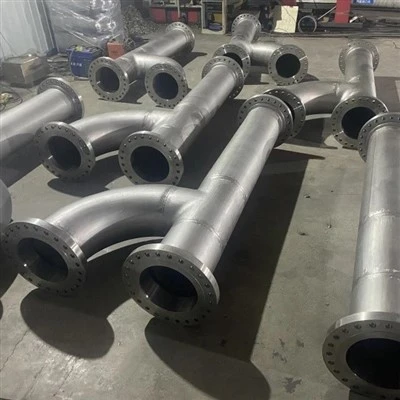
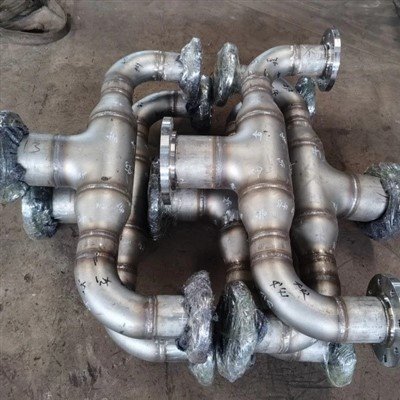
Nickel alloys like Inconel 625, Hastelloy C276, and Incoloy 825 command premium prices - often 5–15× the cost of stainless steel. But why? The answer lies in four converging factors: raw material volatility (nickel, molybdenum, chromium), processing complexity, certification overhead, and supply chain concentration. In 2026, these costs are not just 'high' - they are structurally elevated and volatile.
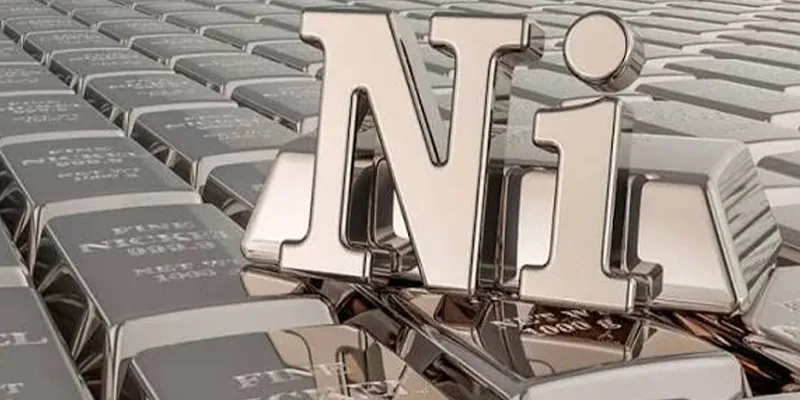
This article breaks down the true cost structure of nickel alloys, explains why Inconel and Hastelloy premiums are justified by performance, and shows buyers how to navigate pricing in a market where nickel prices swing 30–40% in a single year.
Inconel 625 round bar trades at $45–65/kg in 2026, compared to 304 stainless at $3–5/kg. Hastelloy C276 plate trades at $50–75/kg. These premiums reflect not just raw materials, but melting, forging, testing, and certification costs that can add $15–30/kg to the base alloy value.
Nickel alloy prices are not arbitrary. They reflect real costs that cannot be compressed. Buyers who understand the cost structure can negotiate smarter, plan budgets more accurately, and avoid surprises when prices move.
Nickel Alloy Cost Breakdown
Nickel alloys are named for their primary element, but they contain multiple expensive metals. The raw material cost depends on the alloy grade:
Table. Typical Composition and Raw Material Cost Contribution for Major Nickel Alloys
|
Alloy |
Ni % |
Cr % |
Mo % |
Other Key Elements |
Raw Material Share of Total Cost |
|
Inconel 625 |
58–63% |
20–23% |
8–10% |
Nb 3.15–4.15% |
60–70% |
|
Inconel 718 |
50–55% |
17–21% |
2.8–3.3% |
Nb 4.75–5.5%, Ti, Al |
55–65% |
|
Hastelloy C276 |
57–63% |
14.5–16.5% |
15–17% |
W 3–4.5%, Fe 4–7% |
70–80% |
|
Hastelloy C22 |
50–58% |
20–22.5% |
12.5–14.5% |
W 2.5–3.5% |
70–80% |
|
Incoloy 825 |
38–46% |
19.5–23.5% |
2.5–3.5% |
Cu 1.5–3%, Ti |
50–60% |
|
Monel 400 |
63–70% |
- |
- |
Cu 28–34% |
50–60% |
Source: Special Metals Corporation Inconel/Hastelloy datasheets; Haynes International; ASTM B443, B575; JN Alloys material database.
Nickel Price
Nickel is the single largest cost component in most nickel alloys, typically accounting for 35–50% of raw material cost. LME nickel prices have been volatile:
Table. LME Nickel Price History (Annual Average)
|
Year |
Avg $/t |
YoY Change |
Key Driver |
|
2022 |
30,200 |
+38% |
Russia-Ukraine war; supply fears |
|
2023 |
23,400 |
-22% |
Indonesia NPI surge; demand weak |
|
2024 |
17,500 |
-25% |
Oversupply; slow stainless demand |
|
2025 H1 |
$15,000–18,000 |
-10% to +5% |
Market rebalancing; EV battery demand |
|
2026 Forecast |
$16,000–22,000 |
+5–20% |
Battery demand; supply constraints |
Source: LME Nickel historical data; Fastmarkets MB; S&P Global Platts; International Nickel Study Group (INSG); JN Alloys forecast model.
Key Point: Every $1,000/t change in nickel price translates to approximately $0.50–1.00/kg change in Inconel 625 cost, depending on the nickel content of the specific heat and the form (bar, plate, pipe).
Molybdenum Price
Molybdenum is the second most expensive element in many nickel alloys, especially Hastelloy grades. C276 contains 15–17% Mo - that is 150–170 kg of Mo per tonne of alloy. At $40–50/kg Mo, this alone adds $6–8/kg to the raw material cost.
Table. Molybdenum Price Trend (Ferromolybdenum 65% Mo)
|
Period |
Mo Price ($/kg Mo) |
FeMo 65% Price ($/kg) |
Hastelloy C276 Mo Cost Impact |
|
2022 Avg |
$38–45 |
$25–30 |
+$6.0–7.5/kg alloy |
|
2023 Avg |
$35–42 |
$23–28 |
+$5.5–7.0/kg alloy |
|
2024 Avg |
$32–38 |
$21–25 |
+$5.0–6.5/kg alloy |
|
2025 H1 |
$34–40 |
$22–26 |
+$5.5–7.0/kg alloy |
|
2026 Forecast |
$35–48 |
$23–32 |
+$5.5–8.0/kg alloy |
Source: International Molybdenum Association (IMOA); Metal Bulletin; CBCIE Metal molybdenum market reports; JN Alloys cost model.
Chromium Price
Chromium is essential for oxidation and corrosion resistance. All Inconel and Hastelloy grades contain 14–23% Cr. Chrome metal prices are lower than nickel and molybdenum but still significant:
- Chromium metal: $10–15/kg (2025 range)
- High-carbon ferrochrome: $1.40–1.80/lb Cr (~$3–4/kg Cr)
- Low-carbon ferrochrome: $1.80–2.20/lb Cr (~$4–5/kg Cr)
At 20% Cr content, chromium contributes $2–3/kg to the raw material cost of Inconel 625.
Raw materials account for 60–75% of the final price of nickel alloys. Nickel is the largest component, but molybdenum and chromium are significant secondary drivers. Buyers should track LME nickel, Mo spot prices, and ferrochrome benchmarks to anticipate price movements.
Melting, Forging, and Testing Add $15–30/kg
Nickel alloys cannot be produced like carbon steel. They require vacuum induction melting (VIM), electroslag remelting (ESR), or vacuum arc remelting (VAR) to achieve the required chemistry and cleanliness. Each step adds cost.

Melting and Remelting Premium
Table. Processing Premium by Alloy Grade and Form
|
Alloy |
Form |
Processing Method |
Processing Premium ($/kg) |
|
Inconel 625 |
Bar, Forgings |
VIM + ESR or VAR |
$12–20 |
|
Inconel 625 |
Plate, Sheet |
VIM + ESR; Rolling |
$15–25 |
|
Inconel 718 |
Bar, Forgings |
VIM + VAR (aerospace) |
$18–30 |
|
Hastelloy C276 |
Plate, Sheet |
VIM + ESR |
$15–25 |
|
Hastelloy C276 |
Bar |
VIM + ESR or VAR |
$12–20 |
|
Incoloy 825 |
Plate, Bar |
VIM or AOD + ESR |
$8–15 |
|
Monel 400 |
Bar, Plate |
AOD or VIM |
$10–18 |
Source: Special Metals; Haynes International; Carpenter Technology; Vallourec; JN Alloys production partner data (2024–2025).
Why Nickel Alloys Cost More to Process
High melting point: 1,300–1,400°C vs. 1,500°C for carbon steel - requires more energy
Reactive elements: Ti, Al, Nb oxidize easily - vacuum or inert atmosphere required
Segregation risk: VIM/VAR/ESR needed to prevent chemical segregation in ingots
Hardness: Nickel alloys work-harden rapidly - machining and forming are slow and costly
Small batch sizes: Many nickel alloys are melted in <50-ton heats vs. >300-ton for steel
Certification and Testing Overhead
Nickel alloys for critical applications require extensive testing. Each test adds cost per tonne:
Table. Typical Testing and Certification Costs for Nickel Alloys
|
Test Type |
Standard |
Cost per Test ($) |
Typical Tests per Heat |
|
Chemical Analysis (PMI, OES) |
ASTM E1085 |
$150–300 |
1–3 |
|
Tensile Testing |
ASTM E8/E8M |
$200–400 |
2–4 |
|
Hardness Testing |
ASTM E18 |
$50–100 |
2–4 |
|
Ultrasonic Testing (UT) |
ASTM A745 |
$500–1,500 |
Per bar/billet |
|
Impact Testing (Charpy) |
ASTM E23 |
$150–250 |
2–4 |
|
Intergranular Corrosion |
ASTM G28 |
$300–500 |
1–2 |
|
Certification (EN 10204 3.1) |
EN 10204 |
$50–100 |
Per order |
|
Third-Party Inspection (3.2) |
EN 10204 |
$500–1,500 |
Per order |
Source: ASTM Standards; Lloyd's Register; DNV; TÜV; JN Alloys quality system data (2025).
Typical Certification Cost: For a 5-tonne heat of Inconel 625 bar with full aerospace-level testing, certification and testing can add $2,000–5,000, or $0.40–1.00/kg. For AS9100 or NADCAP-audited material, this can double.
Processing and certification add $15–30/kg to the base alloy cost. These costs are structural and cannot be eliminated. Buyers seeking lower prices must accept lower testing levels - which may not be acceptable for their application.
Inconel 625 vs Hastelloy C276 Costs
Nickel alloy prices vary significantly by grade, form, and origin. The following benchmarks reflect 2026 Q2 market prices for standard material with EN 10204 3.1 certification:

Table. Nickel Alloy Price Benchmarks - 2026 Q2 (FOB Shanghai / CIF Europe)
|
Alloy |
Form |
Price Range ($/kg) |
Equivalent €/kg |
Premium vs. 304 SS |
|
Inconel 625 |
Round Bar 20–100 mm |
$45–65 |
€42–60 |
10–15× |
|
Inconel 625 |
Plate 6–50 mm |
$48–70 |
€44–65 |
11–16× |
|
Inconel 718 |
Round Bar (aerospace) |
$55–85 |
€50–78 |
12–19× |
|
Hastelloy C276 |
Plate 6–25 mm |
$50–75 |
€46–69 |
11–17× |
|
Hastelloy C22 |
Plate |
$55–80 |
€50–74 |
12–18× |
|
Incoloy 825 |
Round Bar |
$25–40 |
€23–37 |
6–9× |
|
Incoloy 825 |
Plate |
$28–45 |
€26–42 |
6–10× |
|
Monel 400 |
Round Bar |
$30–48 |
€28–44 |
7–11× |
|
Monel K500 |
Round Bar (aged) |
$45–65 |
€42–60 |
10–15× |
|
304 SS |
Round Bar (baseline) |
$3–5 |
€2.80–4.60 |
1× |
Source: MEPS International; Nickel Alloy prices from Alibaba, Made-in-China; JN Alloys quotation database (2026 Q2). Prices are indicative and vary by order size, specifications, and origin.
Price Variability: The $20/kg spread between low and high prices for Inconel 625 bar reflects differences in origin (European vs. Chinese mills), certification level, order size, and market conditions. Buyers should expect 10–20% price variance between competitive quotes.
Regional Price Differences
Nickel alloy prices vary by region due to tariffs, logistics, and brand premiums:
Table. Regional Price Premiums for Inconel 625 Round Bar (2026 Q2)
|
Region/Brand |
Price ($/kg) |
Premium vs. Chinese Baseline |
Key Factor |
Typical Buyer |
|
China (mill) |
$45–55 |
Baseline |
Lower labor, energy |
Budget-conscious buyers |
|
Europe (Outokumpu) |
$65–85 |
+$20–30/kg |
Brand premium, EU tariffs |
Aerospace, offshore |
|
USA (Special Metals) |
$70–95 |
+$25–40/kg |
Brand, ITAR compliance |
Defense, nuclear |
|
India (JSL) |
$50–65 |
+$5–10/kg |
Growing capability |
Middle East, SE Asia |
|
Korea (POSCO) |
$55–70 |
+$10–15/kg |
Quality, proximity |
Japan, Middle East |
Source: JN Alloys regional pricing database; MEPS; mill quotations (2025–2026).
Inconel and Hastelloy prices are 5–15× higher than stainless steel. Regional premiums can add 20–40% to the price. Buyers must decide: is the brand premium worth it for the application?
Inconel and Hastelloy Properties
Nickel alloy premiums are not just about raw material cost. They reflect real performance advantages that translate into lifecycle cost savings for the right applications:
Corrosion Resistance: Where Inexpensive Alloys Fail
Table. Corrosion Performance Comparison - Nickel Alloys vs. Stainless Steel
|
Alloy |
Seawater Corrosion |
Acid Resistance (H2SO4) |
Chloride Stress Corrosion |
|
304 SS |
Poor (pitting) |
Poor (severe attack) |
Highly susceptible |
|
316L SS |
Moderate (crevice) |
Moderate (dilute only) |
Susceptible >60°C |
|
Duplex 2205 |
Good |
Good (moderate) |
Resistant to 100°C |
|
Incoloy 825 |
Excellent |
Excellent (broad range) |
Resistant to 150°C |
|
Inconel 625 |
Excellent |
Excellent (oxidizing) |
Highly resistant |
|
Hastelloy C276 |
Excellent |
Excellent (reducing) |
Highly resistant |
Source: NACE MR0175/ISO 15156; Outokumpu corrosion handbook; Haynes International corrosion data; Special Metals Inconel corrosion guide; JN Alloys application database.
High-Temperature Strength: Where Stainless Steel Cannot Go
Table. High-Temperature Strength - Yield Strength at Elevated Temperatures (MPa)
|
Alloy |
20°C |
500°C |
700°C |
900°C |
|
304 SS |
205 |
120 |
60 |
<20 |
|
316L SS |
205 |
130 |
70 |
<20 |
|
310S SS |
205 |
140 |
75 |
25 |
|
Incoloy 800H |
200 |
160 |
100 |
40 |
|
Inconel 625 |
415 |
350 |
280 |
80 |
|
Inconel 718 |
550 |
450 |
320 |
100 |
|
Hastelloy X |
310 |
260 |
200 |
80 |
Source: ASTM standards; Special Metals; Haynes International; ASM International Handbook Volume 1; JN Alloys property database.
Lifecycle Cost Example: A Hastelloy C276 heat exchanger in a sulfuric acid plant may cost 3× more than 316L upfront but lasts 10+ years vs. 2–3 years. Over a 20-year plant life, the C276 unit reduces total cost by 40–60% when downtime and replacement are included.
Premiums are justified when the application demands corrosion resistance, high-temperature strength, or both. Using stainless steel in these applications is a false economy - the material fails, production stops, and replacement costs far exceed the initial savings.
Nickel Alloy Supply
Unlike stainless steel, which is produced globally by hundreds of mills, nickel alloy production is concentrated among a handful of producers. This creates supply risks and price premiums:

Table. Major Nickel Alloy Producers and Market Position (2025)
|
Company |
Headquarters |
Key Brands |
Est. Share of High-Perf Alloys |
Main Markets |
|
Special Metals |
USA/UK |
Inconel, Incoloy, Monel |
~20% |
Aerospace, nuclear, offshore |
|
Haynes International |
USA |
Hastelloy, Haynes |
~15% |
Chemical, oil & gas |
|
Carpenter Technology |
USA |
Custom age 625+, 718 |
~12% |
Aerospace, medical |
|
VDM Metals |
Germany |
Nicrofer, VDM alloys |
~10% |
Chemical, offshore Europe |
|
Aperam |
Luxembourg/France |
Sandvik nickel alloys |
~8% |
Chemical, offshore |
|
Others (China, India) |
Multiple |
Various |
~35% |
Budget markets, domestic |
Source: Company annual reports; industry analysis; JN Alloys market intelligence. Market shares are estimates.
Implications for Buyers
- Limited supplier base = less price competition
- Long lead times for specialty grades (12–24 weeks common)
- Brand premiums for aerospace-grade material (ITAR, NADCAP)
- Chinese and Indian producers offering 20–40% lower prices but limited brand recognition
- Geopolitical risks (Russia, trade wars) affecting nickel supply
Lead Time Reality
Table. Typical Lead Times for Nickel Alloy Products (2026)
|
Product |
Stock Material |
Mill Roll / Forge |
|
Inconel 625 round bar, standard sizes |
2–4 weeks |
10–16 weeks |
|
Inconel 625 plate, standard thicknesses |
2–4 weeks |
12–20 weeks |
|
Inconel 718 aerospace-grade bar |
4–6 weeks |
16–24 weeks |
|
Hastelloy C276 plate |
3–5 weeks |
12–20 weeks |
|
Hastelloy C276 seamless pipe |
4–8 weeks |
16–24 weeks |
|
Incoloy 825 pipe fittings |
3–6 weeks |
10–16 weeks |
Source: JN Alloys production partner data; mill quotations (2025–2026).
Nickel alloy supply chains are fragile and concentrated. Buyers should plan 3–6 months ahead for critical projects, maintain safety stock, and develop relationships with multiple suppliers.
Smart Procurement Tips
Nickel alloy prices are high, but buyers can reduce landed costs through strategic procurement:
Five Strategies for Lower Nickel Alloy Costs
- Bundle orders: Combine multiple items into single purchase orders to achieve mill-direct pricing
- Specify alternative grades: Incoloy 825 instead of Inconel 625 where corrosion environment permits
- Accept wider tolerances: Standard h9 tolerance instead of h7 for non-critical applications
- Source from lower-cost origins: Chinese and Indian mills for non-aerospace applications
- Lock in pricing: Use quarterly or semi-annual price agreements to reduce volatility risk
Grade Selection
Table. Nickel Alloy Grade Selection - Cost vs. Performance Trade-offs
|
Application |
Lowest Cost Option |
Best Value Option |
Premium Option |
Cost Multiple |
|
Seawater piping |
316L SS ($3–5/kg) |
Duplex 2205 ($6–10/kg) |
Inconel 625 ($50–70/kg) |
10–20× |
|
Sulfuric acid <10% |
316L ($3–5/kg) |
Incoloy 825 ($30–45/kg) |
Hastelloy C276 ($55–80/kg) |
15–25× |
|
Hydrofluoric acid |
Monel 400 ($35–50/kg) |
Monel 400 ($35–50/kg) |
Hastelloy C276 ($55–80/kg) |
1.5–2× |
|
High-temp 700°C+ |
310S SS ($6–10/kg) |
Incoloy 800H ($20–35/kg) |
Inconel 625 ($50–70/kg) |
5–12× |
|
Aerospace bolting |
A286 ($40–60/kg) |
Inconel 718 ($60–90/kg) |
Waspaloy ($100–150/kg) |
2–3× |
Source: NACE MR0175; ASTM standards; JN Alloys application engineering database.
Savings Opportunity: Selecting Incoloy 825 instead of Inconel 625 for moderate-corrosion applications can reduce material cost by 30–40% while still providing excellent resistance to sulfuric and phosphoric acids.
Smart procurement is not about finding the cheapest price - it is about matching the right grade to the application and optimizing order economics. Buyers who think strategically can reduce nickel alloy costs by 10–20% without sacrificing performance.
Nickel Alloy Prices in 2026

Looking ahead to 2026, several factors will keep nickel alloy prices high and volatile:
Price Forecast Scenarios
Table. Nickel Alloy Price Scenarios for 2026
|
Scenario |
LME Ni ($/t) |
Inconel 625 Bar ($/kg) |
Hastelloy C276 Plate ($/kg) |
Key Driver |
|
Bearish |
$13,000–15,000 |
$40–50 |
$45–60 |
Oversupply; weak demand |
|
Base Case |
$16,000–20,000 |
$50–65 |
$55–75 |
Balanced market; steady demand |
|
Bullish |
$22,000–26,000 |
$60–80 |
$70–95 |
Battery demand surge; supply constraints |
|
Stress |
$28,000–35,000 |
$75–100 |
$85–120 |
Geopolitical shock; sanctions |
Source: LME nickel futures; INSG supply-demand outlook; JN Alloys forecast model. Forecasts are JN Alloys analysis, not guarantees.
Frequently Asked Questions About Nickel Alloy Pricing
A: Inconel contains 58–63% nickel, compared to 8–10% nickel in 304 stainless steel. At current nickel prices, this alone accounts for 5–8× higher raw material cost. Add processing, testing, and certification, and the total premium reaches 10–15×. The price reflects real costs - not arbitrary markups.
Q: Can I negotiate nickel alloy prices?
A: Yes, but within limits. Negotiation works best for large orders (>10 tonnes), bundled purchases, standard specifications, and lower certification levels. Mill-direct pricing can save 10–20% versus stockist prices. But raw material costs are non-negotiable - they are set by global markets.
Q: Why do Chinese nickel alloys cost less?
A: Chinese mills have lower labor costs, energy costs (despite coal-heavy grid), and less brand premium. They also accept lower margins. For non-aerospace applications, Chinese Inconel 625 can be 20–30% cheaper than European or US equivalents. But verify certification and traceability.
Q: What is the single most important cost driver?
A: Nickel price. Every $1,000/t change in LME nickel translates to $0.50–1.00/kg change in Inconel 625 price. Track nickel prices weekly. If nickel moves, your quote will move within 2–4 weeks.
Q: Should I lock in pricing for 2026 now?
A: For critical projects with fixed budgets, yes. Use quarterly or semi-annual fixed-price agreements with price adjustment clauses tied to LME nickel. For spot buys, accept volatility and budget a 15–20% contingency.
Q: Is there a cheaper alternative to Inconel 625?
A: It depends on the application. Incoloy 825 offers similar corrosion resistance in many environments at 40–50% lower cost. For high-temperature oxidation resistance, Incoloy 800H is 40–50% cheaper than Inconel 625. But for seawater crevice corrosion resistance at elevated temperatures, Inconel 625 remains the optimal choice - there is no equivalent cheaper substitute.