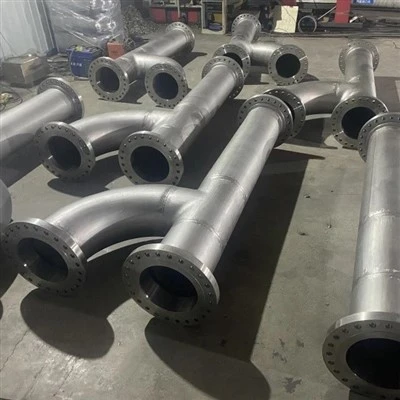
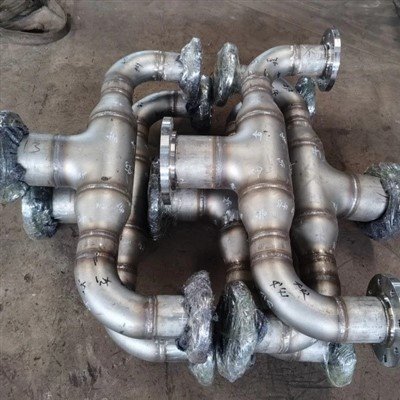
What are ASTM A182 F304H Forged Fittings?
Imagine the complex network of pipes carrying hot fluids or gases under high pressure in a power plant or oil refinery. Connecting these pipes safely and reliably requires incredibly strong components. That's where ASTM A182 F304H forged fittings come in. They are heavy-duty pipe connection parts – like elbows, tees, couplings, caps, and unions – made by shaping solid blocks of special high-temperature stainless steel. The "forged" part means the metal is hammered or pressed while hot, making it much denser and stronger than fittings made by casting or machining from a bar. They are designed specifically to handle demanding conditions found in industries like chemical processing, power generation, and oil and gas exploration, where high heat and pressure are common.

Why Choose F304H Stainless Steel?
The ASTM A182 F304H material is the star of the show. It's a special type of "austenitic" stainless steel, part of the common 304 family, but with a crucial difference: a higher carbon content. The "H" in its name stands for "High temperature." Regular 304 stainless steel is good for many things, but when temperatures climb very high, it can lose strength and become more prone to corrosion problems like "sensitization" (where chromium carbides form at grain boundaries, reducing corrosion resistance). The extra carbon in F304H helps it maintain its strength much better at these elevated temperatures, typically above 1000°F. This makes it perfect for fittings used in superheaters, reheaters, heat exchangers, and piping systems in power plants or refineries where hot steam or process fluids are present. It also offers excellent general corrosion resistance, good toughness, and is easy to weld and fabricate, which are essential qualities for reliable piping components.
How are ASTM A182 F304H Fittings Made?
The strength and reliability of ASTM A182 F304H forged fittings come from how they are manufactured. The process starts with high-quality ASTM A182 F304H steel bars or billets. These solid pieces of metal are heated until they become very soft and malleable. While hot, they are placed under immense pressure using powerful hammers or presses.
This forging action compresses the metal, forcing the internal grain structure to flow smoothly and become much finer and denser compared to cast or machined parts. Think of it like kneading dough – the more you work it properly, the stronger and more uniform it becomes. This results in fittings with superior mechanical properties – higher strength, better impact resistance, and greater fatigue resistance to handle pressure cycles.
After forging, fittings are precisely machined to achieve the exact dimensions and smooth surface finishes required for perfect sealing when installed. Finally, they undergo rigorous heat treatment to dissolve carbides and restore the material's best corrosion resistance and ductility.
ASTM A182 F304H Forged Fittings Usages
Thanks to their excellent high-temperature strength and corrosion resistance, ASTM A182 F304H forged fittings are essential components in many critical industries. You'll find them extensively used in fossil fuel power plants and nuclear power facilities within boiler systems, superheaters, reheaters, and high-pressure steam lines, handling extremely hot steam. They are vital in oil refineries and petrochemical plants for piping that transports hot crude oil, process gases, and various corrosive chemicals at elevated temperatures.
Chemical processing plants rely on them for reactors, heat exchangers, and transfer lines involving acids, solvents, and other aggressive substances under heat and pressure. They are also common in high-temperature industrial furnaces and heat treating equipment, and sometimes in specialized aerospace and marine applications where high strength and corrosion resistance are paramount.
Essentially, wherever pipes carry very hot or corrosive fluids under significant pressure, these fittings provide a robust and reliable connection.
Choosing ASTM A182 F304H Forged Fittings Supplier
Trustworthy ASTM A182 F304H forged fittings supplier is critical for safety and performance. Always insist that the supplier provides a certified Material Test Report. This official document traces the material back to its original melt, confirming its chemical composition and mechanical properties meet the strict ASTM A182 F304H standard.
Reputable manufacturers hold relevant quality certifications like ISO 9001, demonstrating their commitment to consistent production processes and quality control. They should also follow established industry standards for dimensions, such as ASME B16.11 for socket weld and threaded fittings. Look for suppliers with a proven track record in producing high-pressure, high-temperature components.
Don't hesitate to ask about their testing procedures – fittings should undergo checks like hydrostatic testing to ensure they don't leak, and often undergo non-destructive examinations to find any hidden flaws. Choosing a supplier based on both price and proven quality assurance is key to getting fittings that perform reliably for years.
Conclusion
ASTM A182 F304H forged fittings represent a high-performance solution for connecting pipes in the most demanding industrial environments. Their foundation is the specially formulated F304H stainless steel, offering exceptional strength retention and corrosion resistance at elevated temperatures far beyond standard grades. The forging manufacturing process gives them superior mechanical integrity, making them significantly stronger and more reliable than alternatives. When you need fittings for critical high-temperature, high-pressure applications – especially in power generation, oil and gas, and chemical processing – choosing certified ASTM A182 F304H forged fittings from a reputable supplier ensures a safe, durable, and long-lasting piping system capable of handling the toughest operating conditions.