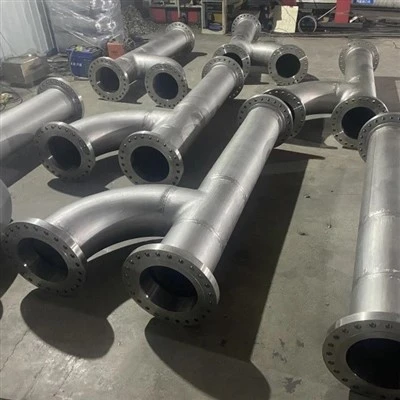
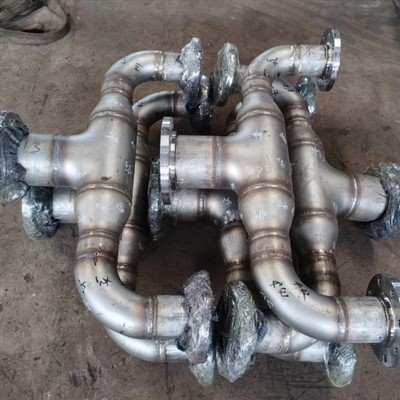
Duplex S32205 is a nitrogen-enhanced duplex stainless steel. When you are tasked with selecting a flange for a desalination plant, a subsea oil line, or a chemical processing facility, S32205 is frequently the gold standard.

However, "buying S32205" is only the beginning. You must navigate a complex landscape of pressure ratings, face types, and manufacturing standards to ensure the component is fit for purpose.
This guide outlines the steps for selecting the Duplex S32205 flange.
Step 1: Verify Material Grade and Specifications
You must confirm that the material you are purchasing is genuine Duplex S32205.
Duplex S32205, often referred to as the "workhorse" grade, is a ferritic-austenitic stainless steel. Its name comes from its mixed microstructure, which offers a combination of high strength and excellent corrosion resistance.
When sourcing your flanges, always demand a material test report (MTR) or mill certificate. This document is the product's DNA. It will list the exact chemical composition and mechanical properties. Look for the critical elements: Chromium (Cr) at 21.0-23.0%, Nickel (Ni) at 4.5-6.5%, Molybdenum (Mo) at 2.5-3.5%, and Nitrogen (N) at 0.14-0.20%. Nitrogen is particularly important, as it enhances the austenite phase and improves pitting corrosion resistance.
Furthermore, ensure the flange is manufactured and tested in accordance with recognized standards, such as ASTM A182. This standard defines the chemical, mechanical, and heat treatment requirements, guaranteeing a base level of quality and traceability.
Step 2: Determine Pressure Rating
Once the material is verified, the next step is to match the flange's mechanical capacity with the demands of your system. This is determined by the pressure-temperature rating, commonly known as the "Class."

Flanges are manufactured to different pressure ratings, typically ranging from Class 150 to Class 2500. These numbers correspond to a specific pressure limit at a given temperature. Because Duplex S32205 retains its mechanical strength at elevated temperatures better than many other materials, it can often be used in applications where a lower-class flange might suffice compared to carbon steel.
However, the rule is simple: the higher the operating temperature and pressure, the higher the required class.
You must calculate your system's maximum allowable working pressure and maximum operating temperature. Then, consult the pressure-temperature charts provided in standards like ASME B16.5. For example, a Class 150 S32205 flange at 100°F might have a pressure rating of around 285 psi, while a Class 300 flange at the same temperature is rated for approximately 740 psi.
Using a flange with an insufficient class rating is a direct invitation for a leak or rupture.
Step 3: Select the Appropriate Flange Facing Type
The "face" of the flange is the surface that contacts the gasket and creates the seal. Selecting the correct facing is critical for preventing leaks. For Duplex S32205 flanges, the two most common facing types are Raised Face (RF) and Ring-Type Joint (RTJ).
The Raised Face (RF) is the most common type for general service. The raised portion focuses the gasket compression force, creating a seal. It is suitable for a wide range of pressures and temperatures. The surface finish on an RF flange is crucial and must be specified to properly grip the gasket.
For high-pressure, high-temperature, or critical services, the Ring-Type Joint (RTJ) facing is the preferred choice. This design features a machined groove that holds a metal gasket. When the flange bolts are tightened, the gasket is compressed into the groove, deforming and creating a metal-to-metal seal that is incredibly strong and leak-proof.
For Duplex S32205, which is often chosen for its high strength, using an RTJ flange allows you to fully utilize the material's capabilities in the most demanding environments.
Step 4: Identify the Flange Type and Dimensions
The term "flange" encompasses a wide variety of designs, each suited for a specific function in the piping system.

The weld neck flange is the workhorse for severe service applications. It has a long, tapered hub that provides important reinforcement and distributes stress. This type is ideal for use with Duplex S32205 in high-pressure and low-temperature conditions, as it can be fully radiographed for weld integrity.
For applications where space is tight or frequent disassembly is required, a slip-on flange might be considered. It slides over the pipe and is welded both inside and outside. While it is cheaper and easier to align, it does not offer the same fatigue life as a weld neck and is generally not recommended for the most critical duplex applications.
If you are connecting to equipment like pressure vessels or pumps, you will likely need a blind flange. Its purpose is to seal the end of a piping system or a nozzle opening. It must withstand the same internal pressure and stresses as the pipe itself.
Other types, like Socket Weld (for smaller, high-pressure lines) and Threaded (for non-critical, low-pressure systems where welding is not possible), are also available but should be selected with care, as threading can create stress concentration points in a high-strength material like Duplex.
Step 5: Evaluate the Manufacturing Process, Testing, and Certification
Finally, the origin and quality control of the flange are as important as its design. A flange is only as good as the processes used to create it.
Duplex S32205 flanges are typically manufactured by forging. This process refines the grain structure of the metal, making it denser and tougher than casting. After forging, the flanges must undergo solution annealing to restore the balance of ferrite and austenite and to relieve any internal stresses. An improperly heat-treated duplex flange can have an unbalanced microstructure, leading to brittleness and reduced corrosion resistance.

As a responsible buyer, you should inquire about the testing performed. At a minimum, the flanges should be dimensionally inspected and pressure tested. For critical applications, look for flanges that have undergone Non-Destructive Examination (NDE), such as ultrasonic testing or liquid penetrant inspection, to rule out any surface or subsurface flaws. A reputable manufacturer or supplier will provide full traceability from the raw material melt to the finished, machined product.
In conclusion, selecting the right Duplex S32205 flange is a methodical process.
By verifying the material, matching the pressure class, choosing the correct facing, selecting the appropriate type, and ensuring rigorous quality control, you guarantee a connection that is safe, durable, and perfectly suited for the demanding environments where duplex stainless steel excels.