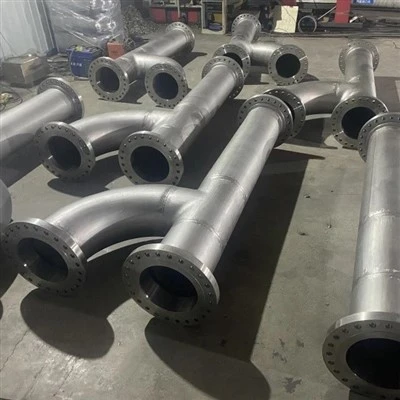
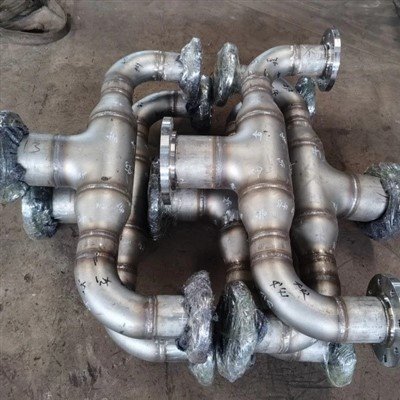
Hey everyone! If you've been on the shop floor as long as I have, you know that working with nickel alloys isn't like pounding out standard carbon steel.
Today, I want to talk about Hastelloy C4 (or Alloy C4). I've forged thousands of these pipe fittings-elbows, tees, flanges, you name it-and I've learned that temperature is everything. If you get it right, the metal flows like butter. If you miss the window by even a little, you're looking at cracks, wasted material, and a lot of paperwork.
So, let's open up my logbook and talk about the forging temperatures for C4 pipe fittings.
Forging Temperatures for Different Pipe Fittings

The forging temperatures for Hastelloy C4 are pretty standard across different types of pipe fittings because they're based on the alloy's properties, not the shape. We use hot forging to shape the metal while it's soft from the heat. Here's the breakdown:
Starting Temperature: We heat the material to about 1177°C (2150°F) to begin forging. This makes it easy to shape without breaking.
Finishing Temperature: We stop forging around 954°C (1750°F) to keep the structure intact and avoid defects.
These temps apply to all common pipe fittings we make:
Elbows: Same range-start at 1177°C and finish at 954°C. Elbows need even heating to curve properly without thinning the walls.
Tees: Again, the same temperatures. We focus on moderate squeezes during forging to shape the branch without cracking.
Reducers: No change here-1177°C start, 954°C finish. The tapering shape means we reheat often to keep the flow smooth.
Caps or other end fittings: Identical temps. These are simpler shapes, but we still watch for even cooling after forging.
After forging any of these, we anneal at 1066°C (1950°F) and quickly cool with water to lock in the best properties, like strength and corrosion resistance. The range is narrow, so we measure everything carefully with thermocouples.
Factors Influence Forging Temperatures
A few things can tweak how we handle these temperatures in the shop:

Material Size and Thickness: Thicker pieces need longer soaking time at the start temp-about 30 minutes per inch-to heat evenly. Thin ones heat faster but cool quicker, so we adjust reheats.
Strain and Speed: Hastelloy C4 is sensitive to how fast and hard we hammer it. We aim for 25-40% reduction per pass to keep internal heat up and avoid too many reheats, which could coarsen the grains.
Equipment and Environment: Our forging hammers or presses affect heat loss. In a cold shop, we might preheat tools to maintain temps. Also, the alloy's composition-like its nickel and molybdenum-sets the base range, but impurities could shift it slightly.
Shape Complexity: For tricky fittings like tees, we might reheat more often to prevent cracking in tight spots.
We record all this to ensure consistency. If temps drift, the metal might not form right.
Effects of Forging Temperatures
Getting the temperatures spot-on makes a big difference in how the fittings perform:
Good Effects: At the right range, the fittings come out ductile (flexible) and super resistant to corrosion, even in hot, acidic spots. Proper annealing after forging restores strength and prevents weak grain boundaries. They hold up in temps up to 1038°C without cracking under stress.
Bad Effects if Too High: Over 1177°C, grains grow too big, making the fitting brittle and prone to oxidation. It could weaken corrosion resistance over time.
Bad Effects if Too Low: Below 954°C at the end, the metal hardens too much, leading to cracks during shaping. This shortens the fitting's life in tough conditions, like causing early fatigue or leaks.

Wrong temps can cause precipitates that hurt ductility and lead to stress-corrosion cracking. In records, I've seen batches fail tests if we don't quench fast enough after annealing.
Thanks for reading! If you're in the industry or just curious, drop a comment below. Stay safe out there in the forge.