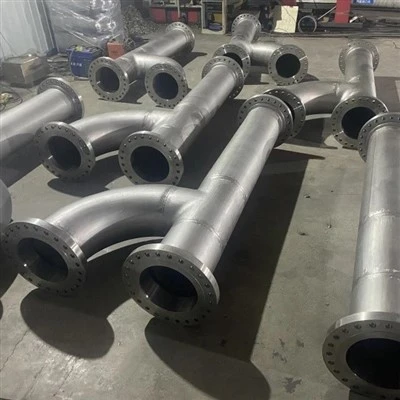
Hastelloy C22 (UNS N06022) is a nickel-chromium-molybdenum-tungsten alloy known for its exceptional resistance to a wide range of corrosive environments, including pitting, crevice corrosion, and stress corrosion cracking. It performs well in both oxidizing and reducing conditions, making it suitable for chemical processing, pollution control, and pharmaceutical applications. Its nominal composition includes nickel, chromium (22%), molybdenum (13%), tungsten (3%), iron (3%), and trace elements.

Corrosion Resistance Overview
C22 offers superior resistance compared to alloys like 316L stainless steel or Hastelloy C276 in many aggressive media, particularly those with chlorides, oxidizers, and mixed acids. Compatibility is often measured by corrosion rates (in mm/y), with rates below 0.1 mm/y considered excellent for most applications.
For hydrochloric acid, C22 shows improved resistance over similar alloys in dilute to moderate concentrations.

Corrosion Rates in Key Acids
Below are selected tables of corrosion rates (mm/y) for C22 in common acids at various concentrations and temperatures, based on iso-corrosion data. Dashes indicate no data or negligible rates.
Hydrochloric Acid (HCl)
|
Concentration (wt.%) |
100°F (38°C) |
125°F (52°C) |
150°F (66°C) |
175°F (79°C) |
200°F (93°C) |
Boiling |
|
1 |
- |
- |
- |
- |
0.01 |
0.06 |
|
5 |
<0.01 |
- |
0.44 |
1.44 |
3.02 |
8.99 |
|
10 |
0.01 |
0.28 |
0.98 |
1.99 |
4.39 |
11.68 |
|
15 |
- |
- |
0.98 |
1.91 |
- |
11.02 |
|
20 |
0.20 |
0.32 |
0.90 |
1.72 |
3.38 |
9.73 |
Sulfuric Acid (H₂SO₄)
|
Concentration (wt.%) |
100°F (38°C) |
125°F (52°C) |
150°F (66°C) |
175°F (79°C) |
200°F (93°C) |
225°F (107°C) |
Boiling |
|
5 |
- |
<0.01 |
0.01 |
0.03 |
- |
- |
0.23 |
|
10 |
- |
- |
0.02 |
0.04 |
- |
- |
0.29 |
|
20 |
- |
0.01 |
0.03 |
0.28 |
- |
- |
0.83 |
|
30 |
- |
0.01 |
0.09 |
0.68 |
- |
- |
1.89 |
|
40 |
- |
0.01 |
0.01 |
0.31 |
0.87 |
- |
3.99 |
|
50 |
- |
- |
0.02 |
0.40 |
0.77 |
2.18 |
9.98 |
|
60 |
- |
0.01 |
- |
0.67 |
0.95 |
2.69 |
- |
|
70 |
- |
- |
0.28 |
0.56 |
0.94 |
3.07 |
- |
Nitric Acid (HNO₃)
|
Concentration (wt.%) |
150°F (66°C) |
175°F (79°C) |
200°F (93°C) |
225°F (107°C) |
Boiling |
|
10 |
<0.01 |
- |
0.01 |
- |
0.01 |
|
20 |
0.01 |
- |
0.02 |
- |
0.06 |
|
30 |
0.01 |
- |
0.02 |
- |
0.13 |
|
40 |
0.02 |
0.03 |
0.09 |
- |
0.26 |
|
50 |
- |
0.05 |
0.14 |
0.33 |
0.59 |
|
60 |
0.06 |
0.08 |
0.19 |
0.57 |
1.09 |
|
70 |
0.05 |
0.11 |
0.33 |
0.71 |
2.53 |
Phosphoric Acid (H₃PO₄)
|
Concentration (wt.%) |
225°F (107°C) |
250°F (121°C) |
275°F (135°C) |
Boiling |
|
50 |
- |
- |
- |
0.07 |
|
60 |
0.08 |
- |
- |
0.16 |
|
70 |
0.07 |
0.13 |
- |
0.23 |
|
75 |
0.05 |
0.12 |
- |
0.19 |
|
80 |
0.06 |
0.12 |
0.16 |
0.25 |
|
85 |
0.07 |
0.12 |
0.20 |
0.66 |
Broader Chemical Compatibility
For a wider range of chemicals, compatibility ratings are often A (excellent, no effect), B (good/minor effect, use with caution), or C (not recommended). Maximum temperatures are noted where applicable. This is a partial list; consult manufacturers for unlisted substances.
|
Chemical |
Rating |
Max Temp (°F) |
Notes |
|
Acetic Acid (10%) |
A |
220 |
|
|
Acetic Acid (Glacial) |
A |
125 |
|
|
Acetone |
A |
250 |
|
|
Aluminum Chloride |
A |
230 |
|
|
Ammonia (Anhydrous) |
A |
250 |
|
|
Ammonium Hydroxide |
A |
200 |
|
|
Benzene |
A |
170 |
|
|
Bromine |
A |
125 |
|
|
Calcium Chloride |
A |
230 |
|
|
Carbon Tetrachloride |
A |
230 |
|
|
Chlorine (Anhydrous Liquid) |
C |
175 |
Dry conditions only |
|
Chromic Acid (10%) |
A |
175 |
|
|
Citric Acid |
A |
230 |
|
|
Diesel Fuel |
A |
230 |
|
|
Ethanol |
A |
212 |
|
|
Ferric Chloride |
B |
230 |
Recommend liquid end flush |
|
Formaldehyde |
A |
125 |
|
|
Gasoline |
A |
230 |
|
|
Hydrochloric Acid |
B |
230 |
Up to 80% concentration |
|
Hydrogen Peroxide |
B |
- |
Volatile; use degassing head |
|
Nitric Acid (50%) |
A |
125 |
Below 60°F |
|
Phosphoric Acid |
A |
230 |
|
|
Sodium Hydroxide |
A |
230 |
|
|
Sulfuric Acid |
A |
230 |
For hydrofluoric acid, C22 shows good external resistance but may experience internal attack; rates are 0.04 mm/y at 5% concentration and 100°F. Avoid C22 in highly concentrated HCl or dry chlorine without testing.
Always verify with field tests or consult alloy suppliers like Jinie Technology for specific applications.