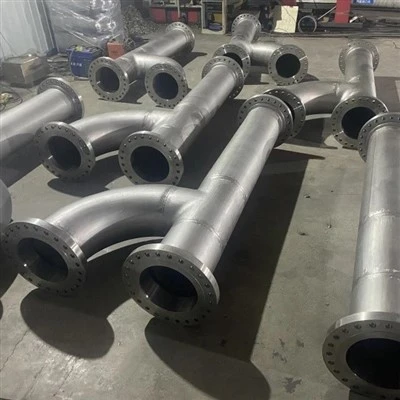
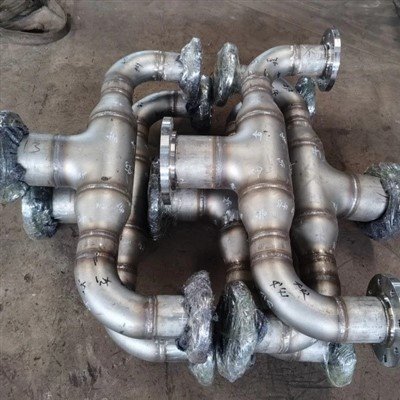
Producing green hydrogen means splitting water into hydrogen and oxygen using electricity, but the chemistry inside an electrolyzer is far harsher on materials than the simple input and output suggest: concentrated caustic solutions, strongly acidic and highly oxidizing membranes, high-temperature ceramic cells, and hydrogen gas itself all attack conventional metals in different ways.

Stainless steel and nickel alloys are not incidental material choices in electrolyzer design - they are what allow these systems to operate reliably for years under conditions that would rapidly degrade carbon steel or lower-grade alternatives. This guide explains the three main electrolyzer technologies, the specific corrosion and embrittlement mechanisms each one presents, and why stainless steel and nickel alloys are the materials of choice across the industry.
What Are the Main Types of Water Electrolyzers, and Why Does Material Selection Matter?
The three dominant electrolyzer technologies - alkaline (AWE), proton exchange membrane (PEM), and solid oxide (SOEC) - each create a fundamentally different chemical and thermal environment inside the cell, which means material selection cannot be generalized across technologies; a material well-suited to one electrolyzer type can fail rapidly in another.
Alkaline electrolyzers use a concentrated potassium hydroxide (KOH) solution as the electrolyte and operate at moderate temperature. PEM electrolyzers use a solid polymer membrane and generate a strongly acidic, highly oxidizing environment at the anode, where oxygen is evolved. Solid oxide electrolyzers (SOEC) operate at very high temperature using a ceramic electrolyte, trading electrochemical mildness for a demanding thermal and high-temperature oxidation environment instead. Because these three environments are chemically almost opposite - strongly alkaline, strongly acidic, and high-temperature oxidizing, respectively - the material that performs best in one is frequently a poor choice in another, which is why electrolyzer material specification is technology-specific rather than a single universal materials list.
A side-by-side comparison of the three technologies and their material implications:
|
Characteristic |
Alkaline (AWE) |
PEM (Proton Exchange Membrane) |
SOEC (Solid Oxide) |
|
Electrolyte / environment |
Concentrated KOH solution (≈ 20–30 wt%), strongly alkaline |
Solid polymer membrane, strongly acidic and highly oxidizing at the anode |
Solid ceramic oxide, high-temperature gas environment |
|
Typical operating temperature |
≈ 70–90°C |
≈ 50–80°C |
≈ 700–850°C |
|
Primary structural/cell materials |
Nickel-plated steel, nickel mesh electrodes, austenitic stainless steel housings and piping |
Titanium bipolar plates and current collectors (often precious-metal coated), stainless steel balance-of-plant |
Ferritic stainless steel or nickel-based superalloy interconnects, nickel-based sealing components |
|
Dominant material threat |
Caustic (alkaline) corrosion and stress corrosion cracking at elevated temperature |
Acidic, highly oxidizing anode-side corrosion |
High-temperature oxidation, sulfidation, and thermal cycling fatigue |
|
Why stainless/nickel alloys are used |
Austenitic stainless resists caustic attack; nickel is highly stable in hot KOH |
Stainless generally insufficient at the anode; titanium and nickel alloys handle balance-of-plant and cathode-side duty |
Nickel-based alloys and specialty ferritic stainless steels resist high-temperature oxidation and match thermal expansion of ceramic cells |
Table 1. Comparison of alkaline, PEM, and solid oxide electrolyzer environments and their primary material implications.
Why Is Hydrogen Embrittlement a Critical Design Consideration for Electrolyzer Materials?
Hydrogen embrittlement - the loss of ductility and fracture toughness that occurs when atomic hydrogen diffuses into a metal's crystal lattice - is a design-critical concern in electrolyzer and hydrogen-handling equipment because the process literally generates hydrogen at the cathode, and austenitic stainless steels are specified in large part because their crystal structure resists this degradation far better than many alternative steels.

Hydrogen embrittlement occurs when hydrogen atoms diffuse into a metal and collect at grain boundaries, inclusions, or regions of high stress concentration, reducing the metal's ability to deform plastically before fracture. The severity of this effect depends heavily on the metal's crystal structure: body-centered cubic (BCC) structures, found in ferritic and martensitic steels and in high-strength carbon and low-alloy steels, are generally more susceptible to hydrogen embrittlement than face-centered cubic (FCC) structures, found in austenitic stainless steels and nickel alloys.
This structural difference is a primary reason austenitic grades such as 316L are widely specified for hydrogen-contacting piping, fittings, and pressure components in electrolyzer systems - not simply for general corrosion resistance, but specifically because their FCC lattice provides substantially better resistance to hydrogen-induced cracking in a process where hydrogen exposure is inherent to normal operation, not an incidental risk.
Which Stainless Steel Grades Are Used in Alkaline Electrolyzers, and Why?
Austenitic stainless steels, primarily 316/316L, are the standard choice for alkaline electrolyzer housings, piping, and structural components because they resist attack from concentrated hot potassium hydroxide far better than carbon steel, while nickel and nickel-plated components are reserved for the most aggressive electrode-level duty within the same system.
Concentrated KOH at elevated temperature is aggressive toward many common metals, particularly carbon steel and lower-alloy stainless grades, which can suffer accelerated general corrosion or caustic stress corrosion cracking under sustained exposure. Austenitic 316/316L stainless steel, with its molybdenum addition improving resistance to localized attack, performs well as a structural and piping material in this environment across the alkaline electrolyzer's typical operating temperature range.
At the electrode surface itself, where current density and local chemistry are most severe, many alkaline electrolyzer designs step up further to nickel or nickel-plated steel, since commercially pure nickel offers outstanding resistance to hot caustic environments - illustrating a broader pattern in electrolyzer design: material grade often escalates from standard stainless steel in the balance-of-plant to nickel or higher alloys at the most chemically demanding points in the cell.
Why Do PEM Electrolyzers Require Different Materials Than Alkaline Systems?
PEM electrolyzers require titanium - not stainless steel - for anode-side bipolar plates and current collectors because the combination of strong acidity and high oxidizing potential at the PEM anode breaks down the passive chromium oxide layer that protects stainless steel, while titanium forms a stable oxide film that remains protective under these specific conditions.
Stainless steel's corrosion resistance depends on a thin, self-healing chromium oxide passive layer, which performs well in neutral and alkaline environments but can be compromised in strongly acidic, highly oxidizing conditions - precisely the environment generated at a PEM electrolyzer's anode during oxygen evolution.
Titanium's protective oxide film remains stable under these conditions in a way that stainless steel's does not, which is why titanium, often coated with a thin layer of platinum-group metal to improve conductivity and further protect the surface, is the standard material for PEM anode-side bipolar plates and current collectors. Stainless steel remains useful elsewhere in a PEM system - balance-of-plant piping, less aggressive cathode-side components, and structural framing - which is why a PEM electrolyzer's material specification is typically a deliberate combination of titanium at the most aggressive points and stainless steel everywhere the environment allows it.
What Role Do Nickel Alloys Play in High-Temperature Solid Oxide Electrolysis?
Nickel-based superalloys and specialty ferritic stainless steels serve as interconnects and structural components in solid oxide electrolyzers because they must simultaneously resist high-temperature oxidation, tolerate repeated thermal cycling, and remain electrically conductive at 700–850°C - a combination of demands that conventional stainless steel and carbon steel cannot meet.

SOEC interconnects sit between individual cells, carrying electrical current while separating the hydrogen-side and oxygen-side gas environments, and they must do so continuously at temperatures where ordinary steels would rapidly oxidize and lose mechanical integrity. Specialty ferritic stainless steels developed specifically for this application are formulated to closely match the thermal expansion behavior of the ceramic cell components - critical for avoiding cracking during the thermal cycling inherent to startup and shutdown - while forming a thin, electrically conductive protective oxide scale rather than a thick, insulating one.
In the most demanding conditions or highest-temperature designs, nickel-based superalloys extend this capability further, offering superior high-temperature strength and oxidation resistance where ferritic stainless steel reaches its practical limits, echoing the same materials-escalation pattern seen in alkaline systems: stainless steel for the general structure, nickel alloys where the local environment is most severe.
How Do Bipolar Plates and Cell Components Drive Material Selection?
Bipolar plates and current collectors are the most materially demanding components in any electrolyzer because they must be simultaneously electrically conductive, mechanically robust, and directly exposed to the cell's harshest chemical or thermal environment - which is why these specific components, more than any other part of the system, dictate the headline material choice for each electrolyzer technology.
Unlike balance-of-plant piping or structural framing, which can often be specified with a comfortable corrosion margin, bipolar plates sit at the direct electrochemical interface where current density, local pH, and oxidizing or reducing conditions are most extreme. A material that performs adequately in the general system environment can still fail rapidly at the bipolar plate if its passive film is not stable under those specific local conditions.
This is the underlying reason PEM systems specify titanium for anode-side plates even though stainless steel is perfectly adequate elsewhere in the same system, and why SOEC interconnects require specialty alloys engineered for that specific thermal and oxidizing service rather than off-the-shelf stainless or nickel products designed for other applications.
A summary of specific alloys commonly specified across electrolyzer components:
|
Alloy / Material |
Typical Electrolyzer Use |
Why It Is Selected |
|
TP316/316L stainless steel |
Alkaline electrolyzer housings, piping, tanks; PEM balance-of-plant piping |
Austenitic structure resists caustic and general corrosion; good resistance to hydrogen embrittlement due to FCC crystal structure |
|
Nickel 200/201 (commercially pure nickel) |
Electrodes and internal components in hot concentrated KOH (alkaline systems) |
Outstanding resistance to caustic corrosion at elevated temperature, better than stainless steel in the most aggressive alkaline duty |
|
Titanium (Grade 1/2, often platinum-group-metal coated) |
PEM bipolar plates, current collectors, anode-side components |
Forms a stable, adherent passive oxide film in the strongly acidic, highly oxidizing PEM anode environment where stainless steel corrodes |
|
Nickel-based superalloys (e.g., Inconel 625, Hastelloy C-276) |
High-temperature or highly aggressive balance-of-plant components; SOEC interconnects and seals |
Combine high-temperature oxidation resistance with strength and resistance to localized corrosion in demanding process conditions |
|
Specialty ferritic stainless steels (e.g., Crofer-type alloys) |
SOEC interconnects |
Thermal expansion closely matched to ceramic cell components; forms a protective, electrically conductive oxide scale at operating temperature |
Table 2. Common stainless steel, nickel alloy, and titanium material selections across electrolyzer components and technologies.
What Corrosion Mechanisms Threaten Electrolyzer Materials, and How Do Stainless and Nickel Alloys Resist Them?
Electrolyzer materials face general corrosion, localized pitting and crevice corrosion, stress corrosion cracking, and high-temperature oxidation depending on technology and location in the system, and stainless steel and nickel alloys resist these mechanisms primarily through stable passive oxide films and, in nickel's case, intrinsic chemical stability in aggressive alkaline environments.
General corrosion - uniform material loss across an exposed surface - is the mechanism austenitic stainless steel and nickel are most reliably effective against in both alkaline and neutral environments, thanks to their passive oxide layers. Localized pitting and crevice corrosion, which concentrate attack at a small surface area rather than spreading it uniformly, are a greater risk wherever chlorides or other aggressive species are present, which is part of why molybdenum-bearing grades such as 316L are frequently specified over standard 304L in balance-of-plant components exposed to process water of uncertain purity.
Stress corrosion cracking - the combination of tensile stress and a specific corrosive environment producing cracking well below a material's normal strength limit - is a particular concern in hot concentrated caustic service, reinforcing the importance of correct grade selection and, in some designs, stress-relief of welded components in alkaline electrolyzer construction. High-temperature oxidation, the dominant threat in SOEC systems, is resisted through the formation of a stable, adherent, and ideally electrically conductive oxide scale - the specific engineering goal behind specialty ferritic stainless steels and nickel superalloys used as SOEC interconnects.
How Should Engineers Select Materials for Balance-of-Plant Components?
Balance-of-plant material selection should be driven by the specific fluid, temperature, and hydrogen exposure at each point in the system rather than a single material specification applied uniformly across the plant, since the electrolyzer's harshest conditions are typically localized to specific components rather than uniform throughout.

A practical approach to balance-of-plant material selection:
1. Map the actual local environment at each component - electrolyte concentration and temperature, gas-side versus liquid-side exposure, and proximity to the cell stack - rather than assuming system-wide conditions apply uniformly.
2. Default to 316/316L stainless steel for general piping, tanks, and structural components in alkaline and PEM balance-of-plant service, upgrading to nickel alloys only where local conditions specifically warrant it.
3. Treat hydrogen-contacting components as a distinct category, favoring austenitic stainless grades over higher-strength ferritic or martensitic alternatives specifically for their superior hydrogen embrittlement resistance.
4. Reserve titanium and nickel superalloys for the specific high-severity locations - PEM anode-side components and SOEC interconnects - where standard stainless steel is known to be inadequate, rather than over-specifying premium alloys throughout the system.
5. Validate welding and fabrication procedures for the selected grades, since improper welding can locally degrade corrosion resistance (through sensitization or residual stress) even when the base material specification is correct.
Frequently Asked Questions
Can standard carbon steel be used anywhere in a green hydrogen electrolyzer?
Carbon steel is generally avoided in direct contact with the electrolyte, hydrogen gas, or oxygen-evolving surfaces due to corrosion and hydrogen embrittlement concerns; its use is typically limited to non-wetted external structural framing or applications with a suitable protective coating and a corrosion allowance.
Why is titanium not simply used throughout an entire PEM electrolyzer instead of stainless steel?
Titanium is reserved for the specific anode-side components where its acid- and oxidation-resistant properties are essential, largely because titanium and platinum-group coatings are significantly more costly than stainless steel; using stainless steel wherever the environment allows keeps the system's material cost proportionate to actual local severity.
Does hydrogen embrittlement affect nickel alloys as well as stainless steel?
Nickel alloys generally show good resistance to hydrogen embrittlement due to their FCC crystal structure, similar to austenitic stainless steel, though susceptibility can still vary by specific alloy, strength level, and service condition, so hydrogen compatibility should be confirmed for the specific alloy and application rather than assumed universally.
How does electrolyzer material selection affect green hydrogen production cost?
Material selection is a significant capital cost driver, particularly for PEM systems where titanium and platinum-group coatings add meaningful expense; this is a major reason ongoing materials research aims to reduce precious-metal loading and identify lower-cost alternatives without sacrificing the corrosion and embrittlement resistance these components require.
Are the same stainless grades used in electrolyzers also used in hydrogen storage and pipelines?
Austenitic stainless steels such as 316L are widely used across the hydrogen value chain, including storage and piping, largely for the same hydrogen embrittlement resistance reasons discussed here, though pipeline and storage material selection also involves additional pressure, code, and service-specific considerations beyond the electrolyzer cell itself.