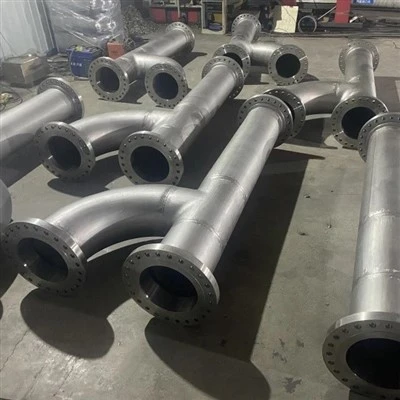
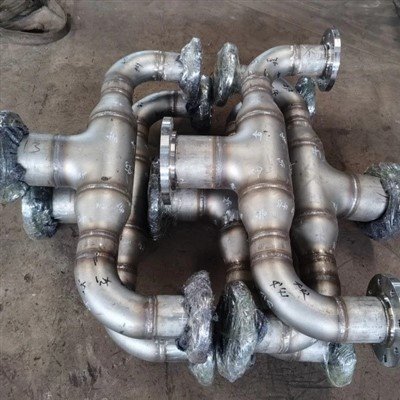
ASTM A312 for seamless (SMLS) and welded austenitic stainless steel pipe is particularly for high-temperature and general corrosive services. Among the most popular grades specified under A312, Grade 304L (UNS S30403 / EN 1.4307) stands as the low-carbon variant of alloy 304; its paramount feature is superior resistance to sensitization and intergranular corrosion.
ASTM A312 1.4307 304L SMLS Pipe Price Chart
The actual cost of ASTM A312 304L seamless pipe is calculated using a formula that includes the base material price, the alloy surcharge, manufacturing costs, and distributor margins.

This table illustrates a price range cost per kilogram for various pipe sizes.
|
Pipe Nominal Size (NB) |
Outer Diameter (OD) |
Typical Schedule |
Manufacturing Complexity Factor |
Hypothetical Ex-Mill Price Index (USD/kg) |
|
Small Bore |
1/2'' to 1'' |
Sch 40 - Sch 80 |
High (Precision Cold Drawing) |
6.50 - 9.00 |
|
Medium Bore |
2'' to 8'' |
Sch 10 - Sch 40 |
Medium (Standard Mill Run) |
5.50 - 7.50 |
|
Large Bore |
10'' to 16'' |
Sch 10 - Sch 40 |
High (Specialized Rolling/Piercing) |
6.00 - 8.50 |
The following are the main factors affecting the price of ASTM A312 1.4307 304L seamless pipe.
Raw Material Cost (Nickel and Chromium)
The price of any stainless steel, including 304L, is tied to the cost of its primary composition. Grade 304L is a chromium-nickel stainless steel, with nickel content typically ranging from 8.0% to 12.0% and chromium from 18.0% to 20.0%.

1. Nickel Volatility and the LME Index
Nickel is the single most volatile and influential component in the price structure of 304L pipe. Prices are heavily benchmarked against the London Metal Exchange Nickel Index.
Any significant shift in the LME price translates almost immediately into adjustments in the Alloy Surcharge, a monthly or quarterly fee added by mills to the base price of the steel.
This surcharge often constitutes a substantial portion of the total mill price, making nickel price monitoring critical for accurate forecasting.
2. Ferro-Chrome and Market Stability
While less volatile than nickel, chromium, supplied primarily via ferrochrome, also influences the price.
Manufacturing Cost: Seamless vs. Welded
ASTM A312 304L seamless pipe is a higher price than ASTM A312 TP304L welded.
This differential stems directly from the manufacturing process:
Seamless pipe is produced by hot-extruding or piercing a solid steel billet, followed by cold drawing or pilgering to achieve the required diameter and wall thickness.
This process requires massive, complex machinery, significant energy consumption, and stringent measures to ensure zero defects, as there is no weld seam.

The resulting pipe offers superior structural integrity, uniform material properties around the circumference, and enhanced pressure retention capabilities, justifying its premium price over welded alternatives for critical applications.
The seamless manufacturing route has lower yield rates compared to welding and rolling strip steel. Defects in the piercing or drawing stages can lead to high rejection rates, especially for thick-walled or small-diameter pipes.
These manufacturing inefficiencies are factored into the final unit cost, contributing to the higher price per kilogram or per meter of SMLS pipe.
Pipe Specifications: Schedule, Diameter, and Length
The specific dimensions dictated by the purchase order significantly impact the cost of the ASTM A312 304L pipe.

1. Schedule (Wall Thickness)
The pipe schedule is the most direct cost multiplier, as it determines the mass of material per unit length. Higher schedule numbers not only increase the material weight but can also necessitate more complex manufacturing steps, thus increasing the processing time and cost. Highly unusual or non-standard schedules often incur an MOQ charge or a higher per-unit cost.
2. Outer Diameter and Size Premiums
The pipe OD plays a crucial role. Very small diameter pipes and very large diameter pipes both attract price premiums.
Small-bore tubing requires specialized high-precision cold-drawing equipment, while large-bore pipe requires powerful, specialized piercers and rolling mills.
The lowest price point is typically found in the moderate, high-demand sizes (e.g., 4'' NB to 12'' NB) where mill efficiencies are maximized.
3. Length Requirements
Standard seamless pipe is typically sold in SRL or DRL. Requiring specific, precise cut lengths adds a fabrication step and results in material wastage, which is ultimately absorbed by the buyer through a cutting premium.
Quality Assurance and Certification
1. Dual Certification and PMI Testing
304L pipe is often dual-certified as ASTM A312 TP304L / ASME SA312 TP304L to ensure compliance with pressure vessel codes. The procurement cost includes the expense of exhaustive testing, such as transverse and longitudinal tension tests, flattening/flaring tests, and NDT.
Furthermore, requests for Positive Material Identification PMI verification, intergranular corrosion tests, or Charpy impact testing for cryogenic service add a traceable cost component.
The cost of a fully certified product is always higher than that of non-certified steel.

2. Origin and Mill Reputation
The country of origin and the reputation of the manufacturing mill significantly influence pricing. Premium mills known for decades of consistent quality and compliance with rigorous standards often command a higher price.
Conversely, material from less established sources may offer lower upfront costs but carries an elevated risk of non-conformance or late delivery.
Market Trends and Supply Chain Factors
1. Global Capacity and Lead Times
When demand outstrips supply, lead times increase, and manufacturers can enforce higher prices.
Furthermore, inventory levels held by distributors play a buffering role; low distributor stock means buyers are forced to pay a premium for immediate delivery or accept long mill lead times.
2. Logistics and Tariff Impact
Freight costs have become increasingly volatile and must be factored into the final delivered price.
Furthermore, trade policies, such as anti-dumping duties or tariffs imposed by importing countries on specific steel origins, can dramatically distort the market price, sometimes adding 15% to 50% to the price of foreign material.
Understanding these factors helps purchasers to negotiate, ensuring they secure high-quality 304L seamless pipe at a reasonable price.