Hey there! As a supplier of UNS S31700 materials, I often get asked about the storage requirements for these alloys. UNS S31700, also known as Stainless Steel 317, is a popular choice in various industries due to its excellent corrosion resistance and high-temperature performance. In this blog post, I'll share some insights on how to properly store UNS S31700 materials to maintain their quality and integrity.
Understanding UNS S31700
Before we dive into the storage requirements, let's briefly understand what UNS S31700 is. It's an austenitic stainless steel alloy that contains chromium, nickel, and molybdenum. The addition of molybdenum enhances its resistance to pitting and crevice corrosion, making it suitable for applications in harsh environments such as chemical processing, marine, and food processing industries.
General Storage Guidelines
- Dry Environment: One of the most crucial factors in storing UNS S31700 is to keep it in a dry environment. Moisture can lead to corrosion, especially in the presence of contaminants. Aim for a storage area with a relative humidity below 60%. If possible, use dehumidifiers to control the humidity levels.
- Cleanliness: The storage area should be clean and free from dust, dirt, and other contaminants. Any foreign particles on the surface of the alloy can act as sites for corrosion initiation. Regularly clean the storage racks and floors to prevent the accumulation of debris.
- Separation from Other Metals: UNS S31700 should be stored separately from other metals, especially those that are more prone to corrosion. When different metals come into contact in the presence of moisture, it can lead to galvanic corrosion. For example, avoid storing UNS S31700 near carbon steel or galvanized steel.
Storage of Different Forms of UNS S31700
- Sheets and Plates: Sheets and plates of UNS S31700 should be stored flat on clean, dry racks. Make sure the racks are designed to support the weight of the sheets without causing any deformation. If stacking the sheets, use spacers between each layer to prevent scratching and ensure proper ventilation.
- Bars and Rods: Bars and rods can be stored in racks or bins. They should be arranged in an orderly manner to prevent them from rolling or falling. If possible, store the bars and rods horizontally to avoid bending or warping.
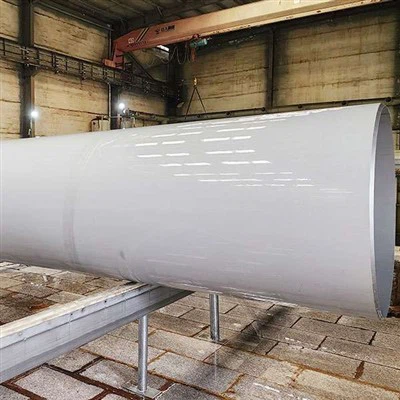
- Tubes and Pipes: Tubes and pipes should be stored in a way that prevents them from being damaged. They can be stored on racks or in bundles. Make sure the ends of the tubes and pipes are capped to prevent the entry of moisture and debris.
Protection Against Corrosion
- Coating: Applying a protective coating to the surface of UNS S31700 can provide an additional layer of protection against corrosion. There are various types of coatings available, such as epoxy, polyurethane, and zinc-rich coatings. Choose a coating that is compatible with the alloy and the intended application.
- Packaging: When storing UNS S31700 for an extended period, consider using protective packaging. Plastic wraps or bags can help prevent the alloy from coming into contact with moisture and contaminants. However, make sure the packaging is breathable to avoid the buildup of moisture inside.
Specific Considerations for Different Applications
- Chemical Processing Industry: In the chemical processing industry, UNS S31700 is often used in equipment such as reactors, tanks, and pipelines. When storing materials for this industry, it's important to ensure that the storage area is free from any chemical residues. Any contact with incompatible chemicals can lead to corrosion or other forms of degradation.
- Marine Industry: For marine applications, the alloy is exposed to a highly corrosive environment. When storing materials for the marine industry, pay extra attention to the humidity and salt content in the storage area. Consider using corrosion inhibitors or special coatings to protect the alloy from saltwater corrosion.
Comparison with Other Stainless Steel Alloys
It's interesting to compare the storage requirements of UNS S31700 with other popular stainless steel alloys. For example, Stainless Steel 304L / UNS S30403 / 1.4306, 1.4307 is also an austenitic stainless steel but has a lower molybdenum content. While it has good general corrosion resistance, it may not be as resistant to pitting and crevice corrosion as UNS S31700. Therefore, the storage requirements for 304L may be slightly less stringent in terms of corrosion protection.


On the other hand, Stainless Steel 321 / UNS S32100 / 1.4541 contains titanium, which stabilizes the alloy against intergranular corrosion. However, it still requires proper storage to maintain its integrity.
Stainless Steel 310S / UNS S31008 / 1.4845 is known for its high-temperature resistance. When storing 310S, in addition to the general storage guidelines, special attention should be paid to prevent any thermal stress during storage, especially if it's going to be used in high-temperature applications.
Conclusion
Proper storage of UNS S31700 is essential to ensure its long-term performance and quality. By following the guidelines mentioned above, you can minimize the risk of corrosion and other forms of degradation. Remember, a little extra care in storage can go a long way in extending the lifespan of your UNS S31700 materials.
If you're in the market for high-quality UNS S31700 materials, I'd love to have a chat with you. Whether you have questions about storage, applications, or pricing, feel free to reach out. Let's work together to find the best solutions for your needs.
References
- ASM Handbook Volume 13A: Corrosion: Fundamentals, Testing, and Protection
- Stainless Steel World Magazine
- Manufacturer's technical data sheets for UNS S31700