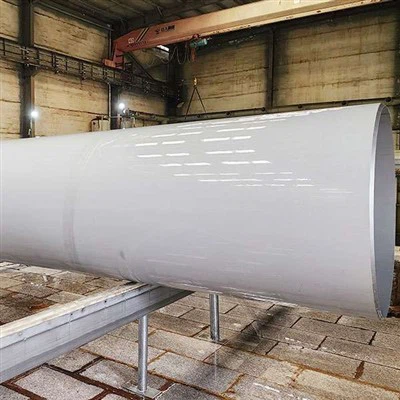
UNS S31008, also known as Stainless Steel 310S, is a popular austenitic stainless steel grade renowned for its excellent high - temperature strength and oxidation resistance. As a supplier of UNS S31008, I often receive inquiries about its various properties, and one of the most frequently asked questions is about its density. In this blog post, I will delve into the density of UNS S31008, its significance, and how it relates to the material's overall performance.
Understanding Density
Density is defined as the mass per unit volume of a substance. In the context of materials science, it is a fundamental physical property that can provide valuable insights into the composition and structure of a material. For metals like UNS S31008, density is typically expressed in grams per cubic centimeter (g/cm³) or kilograms per cubic meter (kg/m³).


The density of a material is influenced by several factors, including its chemical composition, crystal structure, and the presence of any impurities or alloying elements. In the case of stainless steels, the addition of elements such as chromium, nickel, and molybdenum can significantly affect the density.
Density of UNS S31008
The density of UNS S31008 is approximately 7.98 g/cm³ or 7980 kg/m³. This value is relatively consistent across different manufacturing processes and product forms, such as sheets, plates, bars, and pipes. The density of UNS S31008 is slightly higher than that of some other common stainless steel grades, such as Stainless Steel 304L / UNS S30403 / 1.4306, 1.4307, which has a density of around 7.93 g/cm³, and Stainless Steel 316L Mod / UNS S31603 / 1.4435, with a density of approximately 7.99 g/cm³.
The relatively high density of UNS S31008 can be attributed to its chemical composition. It contains a high percentage of chromium (19 - 22%) and nickel (19 - 22%), which are both dense elements. These alloying elements not only contribute to the material's density but also enhance its corrosion resistance and high - temperature performance.
Significance of Density in UNS S31008 Applications
The density of UNS S31008 plays a crucial role in many of its applications. Here are some examples:
Weight Calculation
In engineering and construction projects, accurate weight calculations are essential for determining the structural integrity of a design and ensuring that the load - bearing capacity of a structure is not exceeded. Knowing the density of UNS S31008 allows engineers to calculate the weight of components made from this material, such as pipes, beams, and pressure vessels.
For example, if you are designing a high - temperature furnace using UNS S31008 pipes, you need to know the weight of the pipes to ensure that the furnace structure can support the load. By multiplying the volume of the pipes by the density of UNS S31008, you can accurately determine the weight of the pipes and make appropriate design adjustments.
Material Selection
Density can also be a factor in material selection. In applications where weight is a critical consideration, such as aerospace and automotive industries, materials with lower densities are often preferred. However, in high - temperature and corrosion - resistant applications, the benefits of using UNS S31008, such as its excellent oxidation resistance and mechanical properties, may outweigh the slightly higher weight.
Manufacturing Processes
The density of UNS S31008 can affect manufacturing processes such as casting, forging, and machining. For example, in casting operations, the density of the molten metal can influence the filling behavior of the mold and the formation of defects such as porosity. In machining, the density of the material can affect the cutting forces and tool wear.
Comparison with Other Stainless Steel Grades
As mentioned earlier, the density of UNS S31008 is slightly different from other common stainless steel grades. Let's take a closer look at how it compares to Stainless Steel 304L / UNS S30403 / 1.4306, 1.4307 and Stainless Steel 316L Mod / UNS S31603 / 1.4435:
-
Stainless Steel 304L / UNS S30403 / 1.4306, 1.4307: This is one of the most widely used stainless steel grades. It has a lower density compared to UNS S31008, which makes it a more suitable choice for applications where weight is a concern. However, 304L has lower high - temperature and corrosion resistance compared to UNS S31008.
-
Stainless Steel 316L Mod / UNS S31603 / 1.4435: This grade contains molybdenum, which enhances its corrosion resistance, especially in chloride - containing environments. Its density is similar to that of UNS S31008. However, 316L Mod has lower high - temperature strength compared to UNS S31008, making it less suitable for high - temperature applications.
Quality Assurance and Density Measurement
As a supplier of UNS S31008, we take quality assurance very seriously. We ensure that the density of our products meets the industry standards. Density measurement is one of the quality control tests we perform during the manufacturing process.
There are several methods for measuring the density of a material, including the Archimedes' principle method, which involves measuring the buoyant force of an object submerged in a liquid. We use state - of - the - art equipment and follow strict testing procedures to ensure the accuracy of our density measurements.
Conclusion
In conclusion, the density of UNS S31008 is an important physical property that provides valuable insights into its composition and performance. With a density of approximately 7.98 g/cm³, UNS S31008 is slightly denser than some other common stainless steel grades, which can be attributed to its high chromium and nickel content.
The density of UNS S31008 has significant implications for its applications in various industries, including engineering, construction, and manufacturing. It is used for weight calculation, material selection, and in the optimization of manufacturing processes.
If you are in the market for high - quality UNS S31008 products, we are here to help. As a reliable supplier, we offer a wide range of UNS S31008 products, including sheets, plates, bars, and pipes. Our products are manufactured to the highest standards and undergo rigorous quality control tests to ensure their performance and reliability. Contact us to discuss your specific requirements and explore how our UNS S31008 products can meet your needs.
References
- ASM Handbook Volume 1: Properties and Selection: Irons, Steels, and High - Performance Alloys
- ASTM Standards for Stainless Steel
- Corus Stainless Steel Handbook