Hey there! As a supplier of Duplex S32205, I've spent a ton of time diving into all the nitty - gritty details of this amazing alloy. One question that comes up a lot is about the effect of shielding gas on the welding of Duplex S32205. So, let's roll up our sleeves and break it down.
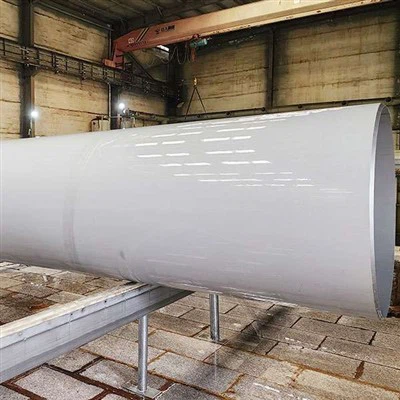
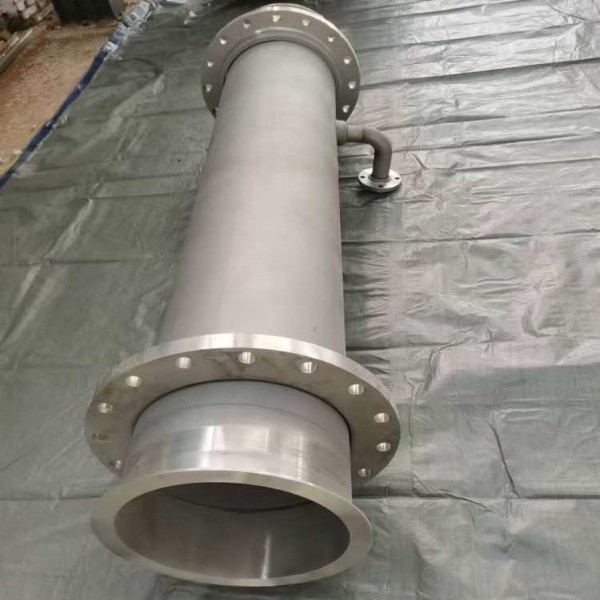
First off, what's Duplex S32205? It's a super - popular duplex stainless steel known for its high strength and excellent corrosion resistance. With a chemical composition that gives it a balanced microstructure of austenite and ferrite, it's widely used in industries like oil and gas, chemical processing, and marine applications. You can find more info about it here Duplex S32205 / F60.
Now, onto the star of the show - shielding gas. Shielding gas is a must - have in the welding process. Its main job is to protect the molten weld pool from atmospheric contamination, like oxygen, nitrogen, and hydrogen. When these atmospheric gases get into the weld pool, bad things can happen, like porosity, cracking, and reduced mechanical properties.
Let's talk about the most common shielding gases used for welding Duplex S32205: argon, carbon dioxide, and mixtures of the two.
Argon is a go - to choice because it's an inert gas. That means it doesn't react with the molten metal. When you use pure argon as a shielding gas for Duplex S32205 welding, it creates a nice, clean environment around the weld pool. This helps prevent oxidation and gives the weld a smooth, shiny finish. However, pure argon has its drawbacks. It can lead to a high surface tension in the molten metal, which may cause problems with bead shape and fusion. Also, it doesn't do much to promote the formation of the right balance of austenite and ferrite in the weld.

Carbon dioxide is another option. It's a reactive gas, and when used in welding, it can increase the fluidity of the molten metal. This makes it easier to get good fusion and a better bead shape. But here's the catch: carbon dioxide can cause oxidation and increase the risk of porosity. It also tends to promote the formation of ferrite, which can throw off the austenite - ferrite balance in the duplex stainless steel.
A lot of welders prefer to use a mixture of argon and carbon dioxide. A common mixture is 98% argon and 2% carbon dioxide. This blend combines the best of both worlds. The argon provides the inert protection against atmospheric contamination, while the small amount of carbon dioxide improves the fluidity of the molten metal and helps with bead formation. This way, you can get a weld with good mechanical properties and a nice appearance, while also maintaining the right austenite - ferrite balance.
Some other gas mixtures are also used. For example, argon + nitrogen mixtures are sometimes employed. Nitrogen is beneficial for duplex stainless steel because it helps stabilize the austenite phase. By adding a controlled amount of nitrogen to the argon shielding gas, you can enhance the corrosion resistance of the weld and improve its overall mechanical properties.
In addition to the type of shielding gas, the flow rate is also crucial. If the flow rate is too low, the shielding gas won't be able to effectively protect the weld pool, and you might end up with contamination. On the other hand, if the flow rate is too high, it can cause turbulence, which can suck in atmospheric gases and disrupt the welding process. The ideal flow rate depends on several factors, such as the welding process, the type of joint, and the welding current. Usually, a flow rate of around 15 - 25 liters per minute is a good starting point, but it may need to be adjusted based on the specific welding conditions.
Another important aspect is the shielding gas purity. Even small amounts of impurities in the shielding gas can have a significant impact on the weld quality. For example, if there's moisture in the gas, it can cause hydrogen embrittlement, which weakens the weld and makes it more prone to cracking. So, it's essential to use high - purity shielding gas and make sure that the gas delivery system is properly maintained.
Now, let's talk about how the choice of shielding gas affects the mechanical and corrosion properties of the Duplex S32205 weld. A well - chosen shielding gas can help minimize the formation of harmful phases, such as sigma phase, which can reduce the toughness and corrosion resistance of the weld. By maintaining the right austenite - ferrite balance, the weld can have high strength and excellent corrosion resistance, similar to the base metal. This is particularly important in applications where the material is exposed to harsh environments, like in the chemical and marine industries.
If you're in an industry that uses Duplex S32205 and you're looking for high - quality materials, we're here to help. We've been in the business for years, and we know how to provide the best - in - class Duplex S32205. Besides Duplex S32205, we also deal with Duplex S31803 / F51 / 1.4462, another popular duplex stainless steel. Whether you're a small - scale fabricator or a large industrial player, we can meet your requirements.
We understand that every project is unique, and we're committed to working closely with you to find the right solutions. If you have any questions about Duplex S32205, the welding process, or the choice of shielding gas, don't hesitate to reach out. We're always happy to share our knowledge and experience to help you make the best decisions for your projects.
If you're interested in purchasing Duplex S32205, we're just a message away. Start a conversation with us and let's talk about how we can meet your needs. We're confident that our high - quality products and excellent customer service will make us your go - to supplier for all your duplex stainless steel requirements.
References
- Smith, J. (20XX). "Welding of Duplex Stainless Steels", Journal of Welding Technology.
- Brown, A. (20XX). "The Role of Shielding Gas in Welding Processes", Welding Journal.
- Wilson, P. (20XX). "Duplex Stainless Steel: Properties and Applications", Metal Science Review.