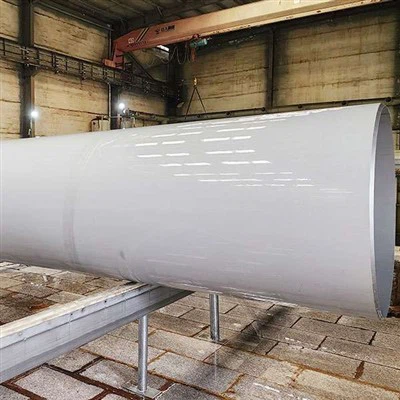
As a supplier of UNS S34709, I am often asked about the standard specifications for this material. UNS S34709 is a stabilized austenitic stainless steel, which is an important alloy in the stainless - steel family. In this blog, I will delve into the details of its standard specifications, including its chemical composition, mechanical properties, and common applications.
Chemical Composition
The chemical composition of UNS S34709 is a crucial factor that determines its properties. Here are the standard chemical composition ranges (in weight percentages) according to various standards such as ASTM A240:
| Element | Percentage Range |
|---|---|
| Carbon (C) | ≤ 0.08 |
| Silicon (Si) | ≤ 1.00 |
| Manganese (Mn) | ≤ 2.00 |
| Phosphorus (P) | ≤ 0.045 |
| Sulfur (S) | ≤ 0.030 |
| Chromium (Cr) | 17.0 - 19.0 |
| Nickel (Ni) | 9.0 - 13.0 |
| Niobium (Nb) + Tantalum (Ta) | ≥ 10×C |
The presence of chromium provides the steel with excellent corrosion resistance. Nickel enhances the austenitic structure, improving ductility and toughness. The addition of niobium and tantalum (usually present in small amounts) acts as a stabilizer, preventing the formation of chromium carbides at high temperatures. This is crucial in applications where the material is exposed to elevated temperatures, as chromium carbide precipitation can lead to intergranular corrosion. For example, in high - temperature exhaust systems, the stability provided by niobium helps the UNS S34709 to maintain its corrosion - resistant properties over long - term use.
Mechanical Properties
UNS S34709 exhibits a set of mechanical properties that make it suitable for a wide range of applications. Let's look at some of the key mechanical properties:
Tensile Strength
The minimum tensile strength of UNS S34709 in the annealed condition is typically around 515 MPa (75 ksi). This relatively high tensile strength allows the material to withstand significant pulling forces without breaking. For instance, in structural applications where the steel needs to support weights or resist tension loads, such as in bridges or high - rise buildings' structural components, its tensile strength is of great value.
Yield Strength
The minimum yield strength in the annealed condition is approximately 205 MPa (30 ksi). Yield strength is the stress at which the material begins to deform plastically. A well - defined yield point in UNS S34709 means that engineers can design structures with a clear understanding of the load limits at which the material will start to experience permanent deformation.
Elongation
The minimum elongation in a 2 - inch (50.8 mm) gauge length is about 40%. High elongation indicates that the steel can be deformed significantly under load before fracturing. This property is beneficial in processes such as forming and bending, where the material needs to be shaped without cracking. So, in the manufacturing of pipes or tubes that are often bent during installation, the high elongation of UNS S34709 ensures high - quality finished products.
Hardness
The hardness of UNS S34709 in the annealed condition is typically around 201 HB (Brinell hardness). Hardness affects the material's resistance to wear and indentation. The relatively moderate hardness of annealed UNS S34709 strikes a balance between machinability and wear resistance.
Physical Properties
Some of the important physical properties of UNS S34709 include:
Density
The density of UNS S34709 is approximately 7.93 g/cm³. This density value is important for weight - related calculations in engineering designs and material handling. For example, in aerospace applications where weight is a critical factor, knowing the density helps in accurately estimating the weight of components made from UNS S34709.


Thermal Conductivity
The thermal conductivity of UNS S34709 at room temperature is about 16.3 W/(m·K). This property is relevant in applications where heat transfer is a concern, such as in heat exchangers. The relatively low thermal conductivity also means that in high - temperature applications, the material can act as a moderate insulator, reducing heat loss from a system.
Specific Heat
The specific heat of UNS S34709 is around 0.50 kJ/(kg·K). The specific heat capacity affects how quickly the material heats up or cools down. In applications where controlled heating or cooling is required, understanding the specific heat helps in designing efficient heating or cooling systems.
Heat Treatment
UNS S34709 is typically supplied in the annealed condition. The annealing process involves heating the material to a temperature in the range of 1040 - 1120°C (1900 - 2050°F) and then rapidly cooling it. This process softens the steel, relieves internal stresses, and enhances its ductility and corrosion resistance. However, improper heat treatment can lead to a reduction in its corrosion - resistant properties. For example, if the cooling rate is too slow during annealing, it may result in the precipitation of chromium carbides, which can reduce the material's ability to resist corrosion in aggressive environments.
Applications
UNS S34709 finds applications in a wide range of industries due to its excellent properties:
Chemical Processing
In the chemical processing industry, where the material is exposed to corrosive chemicals at various temperatures, UNS S34709 is used in equipment such as reaction vessels, pipes, and valves. Its corrosion resistance and high - temperature stability make it suitable for handling chemicals like acids and alkalis.
Oil and Gas
The oil and gas industry benefits from the use of UNS S34709 in various applications. It is used in pipelines, well - head equipment, and refinery components. The material's ability to withstand high - temperature and corrosive environments, such as those containing hydrogen sulfide and carbon dioxide, is crucial in this industry.
Power Generation
In power generation plants, especially in high - temperature areas like steam generators and turbines, UNS S34709 is employed. Its high - temperature strength and corrosion resistance make it suitable for withstanding the harsh operating conditions in these power - generation systems.
Aerospace
The aerospace industry also utilizes UNS S34709 in some components. Due to its relatively high strength - to - weight ratio and corrosion resistance, it can be found in parts such as engine components and structural elements where performance and reliability under extreme conditions are essential.
Comparison with Similar Alloys
It's also useful to compare UNS S34709 with some similar alloys. For instance, Stainless Steel 321H / UNS S32109 / 1.4878 is also an austenitic stainless steel. Both 321H and UNS S34709 are stabilized against intergranular corrosion. However, UNS S34709 has a slightly different chemical composition, which may result in different high - temperature properties. Another alloy, Stainless Steel AL6XN / UNS N08367 / 1.4529, is a high - alloy austenitic stainless steel with enhanced corrosion resistance, especially in chloride - containing environments. Compared to UNS S34709, AL6XN has a higher nickel and molybdenum content, which gives it better pitting and crevice corrosion resistance. Stainless Steel 254SMO / F44 / UNS S31254 / 1.4547 is also a super - austenitic stainless steel. Similar to AL6XN, it has a high alloy content, providing excellent corrosion resistance in aggressive environments. However, UNS S34709 is more cost - effective in some applications where the extreme corrosion resistance of 254SMO and AL6XN is not required.
Conclusion
In conclusion, UNS S34709 is a versatile austenitic stainless steel with well - defined standard specifications. Its chemical composition, mechanical and physical properties, and heat - treatment requirements all contribute to its suitability for a wide range of applications in different industries. Whether it's in chemical processing, oil and gas, power generation, or aerospace, UNS S34709 offers a combination of corrosion resistance, high - temperature strength, and formability.
If you are in need of UNS S34709 for your projects or applications, I encourage you to reach out for a detailed discussion. We can provide you with the highest - quality UNS S34709 products that meet all the relevant standard specifications. Contact us to start a procurement negotiation and find the best solution for your needs.
References
- ASTM A240 Standard Specification for Chromium and Chromium - Nickel Stainless Steel Plate, Sheet, and Strip for Pressure Vessels and for General Applications
- ASME Boiler and Pressure Vessel Code, Section II, Part A - Ferrous Material Specifications