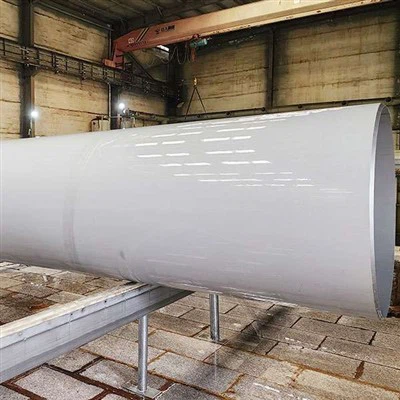
Hey there! As a nickel supplier, I've been getting a lot of questions lately about the role of nickel in stainless steel. So, I thought I'd take a moment to break it down and explain why this metal is such a big deal in the world of stainless steel.
First off, let's talk about what stainless steel is. Stainless steel is an alloy, which means it's a mixture of different metals. The main components of stainless steel are iron, chromium, and nickel. Chromium is what gives stainless steel its corrosion - resistant properties. When chromium is exposed to oxygen, it forms a thin, invisible layer of chromium oxide on the surface of the steel. This layer acts as a barrier, preventing further oxidation and corrosion.
But that's where nickel comes in. Nickel plays several crucial roles in stainless steel, and these roles are what make stainless steel so versatile and valuable in a wide range of applications.

1. Austenitic Structure Formation
One of the most important roles of nickel in stainless steel is to help form an austenitic structure. Austenite is a type of crystal structure in steel. Stainless steels with an austenitic structure are non - magnetic, have excellent ductility (they can be easily stretched and shaped), and are very tough.
Nickel is an austenite stabilizer. When you add nickel to stainless steel, it helps to keep the austenitic structure stable at room temperature and even at low temperatures. This is super important because austenitic stainless steels are widely used in applications where you need a material that can be easily formed into different shapes, like in the manufacturing of kitchen appliances, automotive parts, and architectural structures.
For example, in the production of kitchen sinks, austenitic stainless steel is often used because it can be bent and shaped into the desired form without cracking. The presence of nickel ensures that the steel retains its austenitic structure during the forming process, making it a great choice for this type of application.
2. Corrosion Resistance Enhancement
While chromium is the primary element responsible for the corrosion resistance of stainless steel, nickel also plays a significant role in enhancing this property. Nickel helps to improve the resistance of stainless steel to a variety of corrosive environments, including acids, alkalis, and saltwater.
In acidic environments, nickel can form a passive film on the surface of the steel that is more resistant to acid attack than the chromium oxide film alone. This makes stainless steel with a high nickel content suitable for use in chemical processing plants, where it may be exposed to strong acids.
In saltwater environments, nickel helps to prevent pitting corrosion. Pitting corrosion is a type of localized corrosion that can cause small holes or pits to form on the surface of the steel. By adding nickel to the stainless steel, the risk of pitting corrosion is significantly reduced, making it a great choice for marine applications such as shipbuilding and offshore oil and gas platforms.
3. Strength and Toughness Improvement
Nickel also contributes to the strength and toughness of stainless steel. It helps to increase the yield strength and tensile strength of the steel, making it more resistant to deformation under stress. This is particularly important in applications where the stainless steel is subjected to high loads or impacts.
For example, in the construction of bridges and high - rise buildings, stainless steel with a high nickel content is often used because it can withstand the heavy loads and dynamic forces associated with these structures. The toughness provided by nickel also makes the steel more resistant to cracking and fracture, ensuring the long - term durability of the structure.
4. Weldability
Weldability is another important property of stainless steel, and nickel plays a role in improving this characteristic. When stainless steel is welded, the heat from the welding process can cause changes in the microstructure of the steel. These changes can sometimes lead to the formation of brittle phases, which can reduce the strength and corrosion resistance of the welded joint.
Nickel helps to prevent the formation of these brittle phases during the welding process. It promotes the formation of a more homogeneous microstructure in the welded area, ensuring that the welded joint has similar properties to the base metal. This makes stainless steel with a sufficient amount of nickel easier to weld and results in high - quality welded joints.
Specific Nickel - Containing Stainless Steel Alloys
Now, let's take a look at some specific nickel - containing stainless steel alloys that are commonly used in various industries.
Alloy 31 / UNS N08031 / 1.4562: This alloy is a high - performance nickel - containing stainless steel. It has excellent resistance to both oxidizing and reducing acids, making it a popular choice in the chemical processing industry. You can find more information about this alloy here.
Nickel 201 / UNS N02201 / 2.4061, 2.4608: Nickel 201 is a commercially pure wrought nickel alloy. It has good corrosion resistance in a variety of environments and is often used in applications where high - purity nickel is required, such as in the electronics and food processing industries. Check out the details of this alloy here.
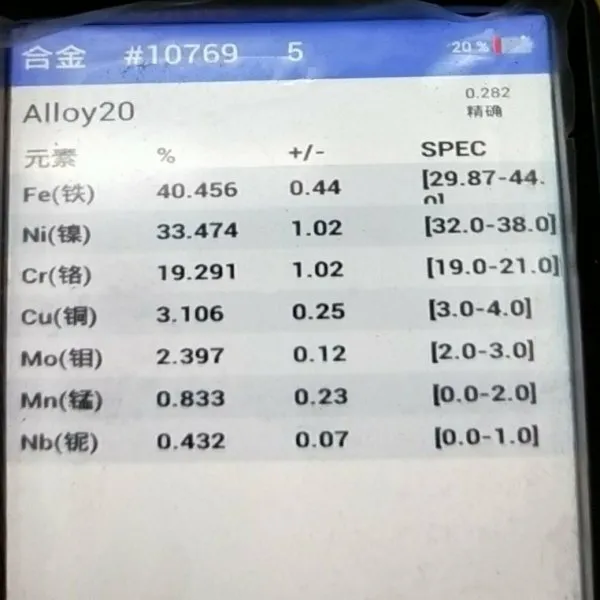
Alloy 20 / UNS N08020 / 2.4660: Alloy 20 is a nickel - iron - chromium alloy with excellent resistance to sulfuric acid and other corrosive media. It is widely used in the chemical, pharmaceutical, and food processing industries. You can learn more about this alloy here.
Why Choose Our Nickel?
As a nickel supplier, I can tell you that we offer high - quality nickel products that are essential for producing top - notch stainless steel. Our nickel is sourced from reliable mines and goes through strict quality control processes to ensure its purity and consistency.
Whether you're a manufacturer of kitchen appliances, a builder of offshore platforms, or a chemical processing company, our nickel can help you create stainless steel products that meet the highest standards of quality, performance, and durability.
If you're in the market for nickel for your stainless steel production, I'd love to talk to you. We can discuss your specific requirements, the best nickel products for your application, and work out a deal that suits your needs. Don't hesitate to reach out and start a conversation about your nickel procurement.
References
- ASM Handbook Volume 13A: Corrosion: Fundamentals, Testing, and Protection. ASM International.
- Stainless Steel: A Guide to Properties, Processing, and Applications. ASM International.
- Metals Handbook Desk Edition, 3rd Edition. ASM International.