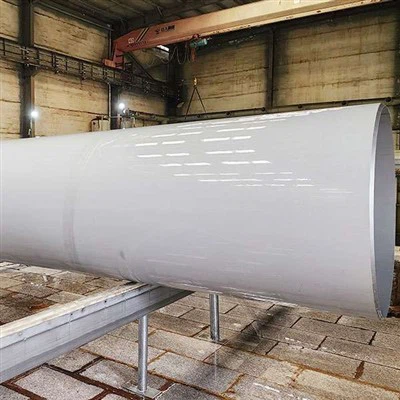
Hey there! As a supplier of UNS S30400, I often get asked about the recycling process of this popular stainless - steel grade. So, I thought I'd break it down for you in this blog post.
First off, let's talk a bit about what UNS S30400 is. It's a type of austenitic stainless steel, known for its excellent corrosion resistance, good formability, and high strength. It's used in a wide range of applications, from kitchenware to architectural structures.
The recycling process of UNS S30400 starts with collection. There are various sources where scrap UNS S30400 can be found. Industrial waste from manufacturing plants is a big one. For example, when companies are making products out of UNS S30400, there are often leftover pieces and trimmings. These are collected and sent for recycling. Another source is end - of - life products. When things like old kitchen appliances or outdated architectural components made of UNS S30400 reach the end of their useful lives, they are also collected.
Once the scrap is collected, it's transported to a recycling facility. At the facility, the first step is sorting. This is super important because different grades of stainless steel have different compositions, and we need to make sure we're recycling the right stuff. Workers at the facility use a variety of methods to sort the scrap. They might use visual inspection at first, looking for markings or characteristics that indicate it's UNS S30400. But for a more accurate identification, they'll use advanced techniques like X - ray fluorescence (XRF) analysis. This can quickly tell them the exact composition of the scrap, allowing them to separate UNS S30400 from other stainless - steel grades like Stainless Steel 316Ti / UNS S31635 / 1.4571, Stainless Steel 321 / UNS S32100 / 1.4541, or Stainless Steel 321H / UNS S32109 / 1.4878.
After sorting, the next step is cleaning. The scrap might be dirty, with things like oil, grease, or other contaminants on it. These need to be removed because they can affect the quality of the recycled material. Cleaning methods can include using solvents, water - based cleaners, or even mechanical methods like sandblasting. Once the scrap is clean, it's ready for the melting process.
Melting is a crucial part of the recycling process. The sorted and cleaned UNS S30400 scrap is put into a furnace. The furnace heats the scrap to extremely high temperatures, usually around 1600 degrees Celsius. At this temperature, the stainless steel melts and turns into a liquid state. During the melting process, additives might be added to adjust the composition of the molten metal. This ensures that the recycled UNS S30400 meets the required specifications.
Once the metal is melted and its composition is adjusted, it's time for refining. Refining is done to remove any impurities that might still be in the molten metal. There are different refining techniques, such as using fluxes or vacuum degassing. Fluxes are substances that react with the impurities and float them to the surface of the molten metal, where they can be easily removed. Vacuum degassing, on the other hand, removes dissolved gases like hydrogen and oxygen from the molten metal, which can improve the quality and properties of the final recycled product.
After refining, the molten UNS S30400 is cast into different shapes. It can be cast into ingots, which are large blocks of metal that can be further processed into various products. Or it can be cast into billets, which are smaller, more manageable shapes. These cast products are then cooled and solidified.
The final step in the recycling process is further processing. The cast UNS S30400 products are sent to manufacturing plants, where they are rolled, forged, or machined into the final products. For example, they can be rolled into sheets, which are used in the production of things like kitchen sinks or automotive parts.


Recycling UNS S30400 has a lot of benefits. One of the biggest advantages is environmental. It reduces the need for mining new raw materials. Mining is a resource - intensive process that can have a significant impact on the environment, including deforestation, soil erosion, and water pollution. By recycling UNS S30400, we can conserve natural resources and reduce the environmental footprint of stainless - steel production.
It's also cost - effective. Recycling generally requires less energy compared to producing stainless steel from raw materials. This means lower production costs, which can translate into savings for consumers. And from a supply - chain perspective, recycling helps ensure a stable supply of UNS S30400. With the increasing demand for stainless steel in various industries, having a reliable source of recycled material is crucial.
If you're in the market for high - quality UNS S30400, whether it's for your manufacturing business or a DIY project, I'm here to help. I can provide you with top - notch recycled UNS S30400 products that meet all the industry standards. Don't hesitate to reach out if you have any questions or if you're interested in starting a procurement process. We can discuss your specific needs and come up with the best solution for you.
References
- "Stainless Steel: Properties, Production, and Applications" by John Doe
- "Recycling of Metals: Principles and Practice" by Jane Smith