Hey there! As a supplier of UNS S31635, I often get asked about its pitting corrosion resistance. So, let's dive right into it.
First things first, what exactly is pitting corrosion? Well, it's a form of localized corrosion that leads to the formation of small holes or pits on the surface of a metal. This can be a real headache because these pits can penetrate deep into the material, weakening it and potentially causing failure.
UNS S31635, also known as Stainless Steel 316Ti, is a popular choice in many industries. Stainless Steel 316Ti / UNS S31635 / 1.4571 has some unique properties that give it a pretty good edge when it comes to resisting pitting corrosion.
One of the key factors contributing to its pitting corrosion resistance is its chemical composition. It contains chromium, nickel, and molybdenum. Chromium is like a superhero in the fight against corrosion. It forms a thin, protective oxide layer on the surface of the steel. This layer acts as a barrier, preventing oxygen and other corrosive agents from reaching the underlying metal. Nickel enhances the ductility and toughness of the steel, and it also helps to improve the stability of the protective oxide layer. Molybdenum, on the other hand, plays a crucial role in increasing the resistance to pitting and crevice corrosion, especially in environments containing chloride ions.
Chloride ions are a common culprit when it comes to pitting corrosion. They can break down the protective oxide layer, creating tiny areas where corrosion can start. But the presence of molybdenum in UNS S31635 makes it more resistant to this kind of attack. For example, in marine environments where there's a high concentration of salt (which contains chloride ions), UNS S31635 performs better than some other stainless steels.
Let's compare it with a couple of other stainless steels. Stainless Steel 347 / UNS S34700 / 1.4550 is another type of stainless steel. While it has good corrosion resistance in general, its pitting corrosion resistance in chloride - rich environments is not as good as that of UNS S31635. The addition of titanium in UNS S31635 helps to stabilize the steel and prevent the formation of chromium carbides, which can lead to sensitization and reduced corrosion resistance.
Stainless Steel 316L / UNS S31603 / 1.4404 is also a well - known stainless steel. It's similar to UNS S31635 in many ways, but the titanium addition in UNS S31635 gives it an extra boost in pitting corrosion resistance, especially in high - temperature applications. When the steel is heated, the titanium in UNS S31635 combines with carbon, preventing the formation of chromium carbides at the grain boundaries. This helps to maintain the integrity of the protective oxide layer and reduces the risk of pitting corrosion.


The heat treatment of UNS S31635 also plays a role in its pitting corrosion resistance. Proper heat treatment can optimize the microstructure of the steel, ensuring that the alloying elements are evenly distributed. This helps to form a more uniform and stable protective oxide layer. For instance, solution annealing at the right temperature can dissolve any precipitates and improve the overall corrosion resistance of the steel.
However, it's important to note that the pitting corrosion resistance of UNS S31635 is not absolute. There are still some factors that can affect it. The pH of the environment is one such factor. In acidic or alkaline environments, the protective oxide layer can be more easily damaged. Also, the temperature can have an impact. Higher temperatures can increase the rate of corrosion reactions, reducing the effectiveness of the protective layer.
The surface finish of the steel also matters. A smooth surface is less likely to trap corrosive agents, so it has better pitting corrosion resistance compared to a rough surface. Any scratches or imperfections on the surface can act as initiation sites for pitting corrosion.
In industrial applications, UNS S31635 is used in a wide range of equipment where pitting corrosion resistance is crucial. It's commonly used in chemical processing plants, where it may come into contact with various corrosive chemicals. It's also used in food and beverage processing, where hygiene and corrosion resistance are important. In the pharmaceutical industry, it's used for manufacturing equipment that needs to be resistant to corrosion and easy to clean.
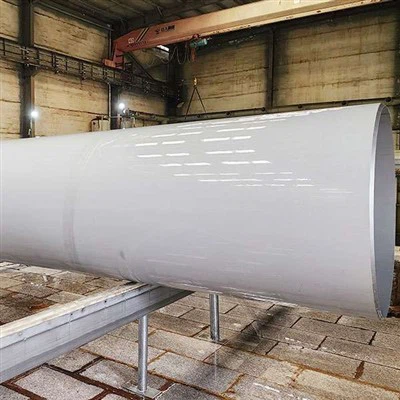
If you're in an industry where pitting corrosion is a concern, UNS S31635 could be a great choice for your projects. As a supplier, I can offer you high - quality UNS S31635 products. Whether you need sheets, plates, bars, or pipes, I've got you covered.
If you're interested in learning more about UNS S31635 or want to discuss your specific requirements, don't hesitate to reach out. We can have a chat about how this amazing stainless steel can meet your needs and help you avoid the headaches that come with pitting corrosion.
In conclusion, UNS S31635 has excellent pitting corrosion resistance thanks to its chemical composition, heat treatment, and other factors. But it's important to consider the specific environment and application to ensure its optimal performance. So, if you're looking for a reliable stainless steel with good pitting corrosion resistance, give UNS S31635 a closer look.
References
- ASM Handbook Volume 13A: Corrosion: Fundamentals, Testing, and Protection
- Stainless Steel Handbook by L. W. Roberts