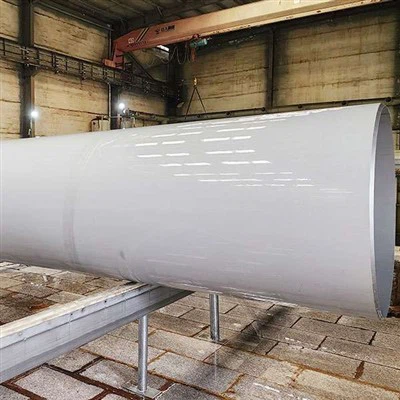
Hey there! As a supplier of UNS 31609, I've gotten a bunch of questions about how this alloy performs in alkaline environments. So, I thought I'd share some insights based on my experience and the knowledge I've gathered over the years.
First off, let's talk a bit about what UNS 31609 is. It's a type of stainless steel, which is well - known for its corrosion resistance. Stainless steels are alloys made up of iron, chromium, nickel, and other elements. UNS 31609 has a higher carbon content compared to its close cousin, UNS 31600. This higher carbon gives it better strength at elevated temperatures, making it a popular choice in various industrial applications.
Now, let's dive into how it fares in alkaline environments. Alkaline environments are those with a pH greater than 7. These can be found in many industrial settings, like in the manufacturing of soaps, detergents, and some chemical processing plants.
One of the key factors that determine how a metal performs in an alkaline environment is its ability to form a passive film. A passive film is a thin layer of oxide that forms on the surface of the metal, protecting it from further corrosion. In the case of UNS 31609, the chromium in the alloy plays a crucial role in forming this passive film. When exposed to oxygen in the alkaline solution, chromium reacts to form chromium oxide, which acts as a barrier between the metal and the corrosive environment.
In mild alkaline solutions, UNS 31609 shows excellent corrosion resistance. The passive film is stable, and it can withstand the attack of the alkaline substances for a long time. For example, in solutions with a pH between 8 and 10, you'll hardly see any signs of corrosion on UNS 31609 even after extended periods of exposure. This makes it suitable for use in equipment like storage tanks for mild alkaline solutions, pipes, and some types of heat exchangers.
However, things get a bit more complicated in highly alkaline environments. When the pH goes above 12, the passive film on UNS 31609 can start to break down. The high concentration of hydroxide ions in these solutions can react with the chromium oxide in the passive film, dissolving it. Once the passive film is compromised, the metal is exposed to the corrosive environment, and corrosion can occur.
But it's not all bad news. There are ways to improve the performance of UNS 31609 in highly alkaline environments. One method is to use a protective coating. Coatings can act as an additional barrier between the metal and the alkaline solution, preventing direct contact and reducing the risk of corrosion. Another approach is to control the environment itself. For example, by adjusting the temperature and the concentration of the alkaline solution, you can minimize the corrosive effects.
Let's compare UNS 31609 with some other stainless steels in alkaline environments. Take Stainless Steel 304 / UNS S30400 / 1.4301 for instance. While it's also a popular stainless steel, it generally has lower corrosion resistance in alkaline environments compared to UNS 31609. The lower nickel and molybdenum content in 304 make its passive film less stable in alkaline solutions, especially at higher pH levels.
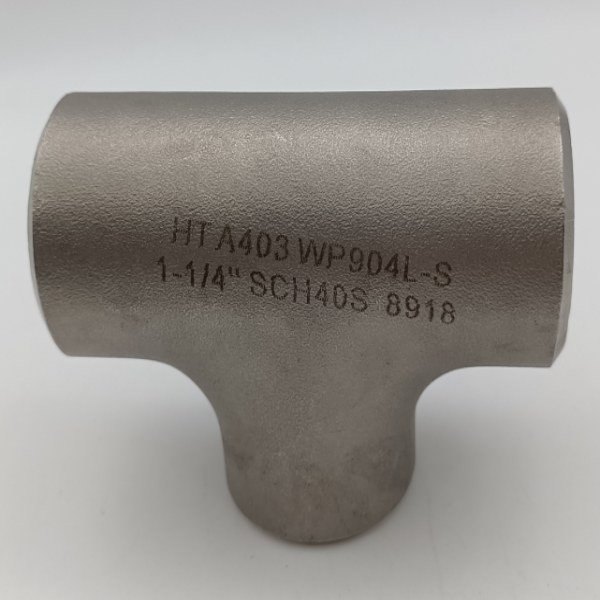

On the other hand, Stainless Steel 904L / UNS N08904 / 1.4539 offers better corrosion resistance than UNS 31609 in some extreme alkaline conditions. 904L has a higher nickel and molybdenum content, which gives it a more stable passive film. But it's also more expensive. So, when choosing between these alloys, you need to consider the specific requirements of your application, including the severity of the alkaline environment and your budget.
Another alloy that's often compared to UNS 31609 is Stainless Steel 17 - 4PH / UNS S17400 / 1.4542. 17 - 4PH is a precipitation - hardening stainless steel known for its high strength. In alkaline environments, its performance is different from UNS 31609. 17 - 4PH may have better mechanical properties in some cases, but its corrosion resistance in alkaline solutions is not as good as that of UNS 31609. The different alloy composition affects how the passive film forms and how stable it is in the alkaline environment.
In real - world applications, the performance of UNS 31609 in alkaline environments can also be affected by other factors. For example, the presence of impurities in the alkaline solution can have a big impact. Some impurities, like chloride ions, can break down the passive film more easily, increasing the risk of corrosion. So, it's important to keep the solution as pure as possible when using UNS 31609.
Also, the flow rate of the alkaline solution matters. A higher flow rate can increase the mechanical stress on the passive film, potentially causing it to break. In high - flow applications, additional measures may be needed to ensure the long - term performance of UNS 31609.
If you're considering using UNS 31609 in an alkaline environment, it's a good idea to conduct some tests first. You can do small - scale immersion tests in the actual alkaline solution you'll be using. This will give you a better idea of how the alloy will perform over time.
In conclusion, UNS 31609 is a great choice for many applications in alkaline environments, especially in mild to moderately alkaline conditions. Its ability to form a stable passive film and its good strength make it a reliable option. However, in highly alkaline and aggressive environments, some additional precautions may be necessary.
If you're in the market for UNS 31609 and want to discuss your specific needs, whether it's for use in an alkaline environment or any other application, I'd love to have a chat. I can provide you with more detailed information about the alloy, its properties, and how it can fit into your project. So, don't hesitate to reach out and start the procurement conversation.
References
- ASM Handbook Volume 13A: Corrosion: Fundamentals, Testing, and Protection
- Stainless Steel Handbook by David A. Woodford