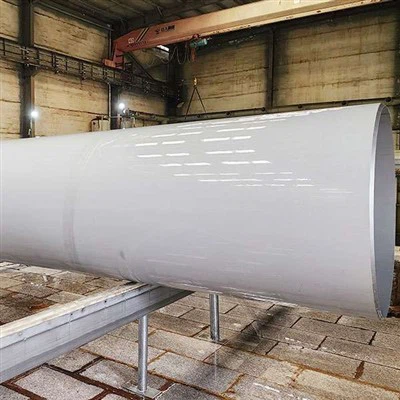
UNS S31653, also known as Stainless Steel 316LN, is a widely used austenitic stainless steel grade. It offers excellent corrosion resistance, good mechanical properties, and is commonly employed in various industries such as chemical processing, food and beverage, and marine applications. As a reliable supplier of UNS S31653, I've witnessed firsthand the importance of understanding how carbon content can influence the properties of this alloy. In this blog post, I'll delve into the effects of carbon content on the properties of UNS S31653, providing valuable insights for those involved in material selection and engineering applications.
Chemical Composition of UNS S31653
Before discussing the impact of carbon content, let's first look at the typical chemical composition of UNS S31653. This stainless steel grade typically contains the following elements:
- Chromium (Cr): 16.0 - 18.0%
- Nickel (Ni): 10.0 - 14.0%
- Molybdenum (Mo): 2.0 - 3.0%
- Nitrogen (N): 0.10 - 0.22%
- Carbon (C): ≤ 0.030%
- Manganese (Mn): ≤ 2.00%
- Silicon (Si): ≤ 1.00%
- Phosphorus (P): ≤ 0.045%
- Sulfur (S): ≤ 0.030%
The presence of chromium provides the alloy with its corrosion - resistant properties by forming a passive oxide layer on the surface. Nickel enhances the austenitic structure and improves corrosion resistance, especially in chloride - containing environments. Molybdenum further enhances the pitting and crevice corrosion resistance, while nitrogen strengthens the alloy and improves its mechanical properties.
Influence of Carbon Content on Corrosion Resistance
One of the most critical properties of UNS S31653 is its corrosion resistance. Carbon content can have a significant impact on this property. In general, a lower carbon content in stainless steels is preferred for better corrosion resistance, especially in sensitization - prone environments.
When stainless steel is heated in the temperature range of 425 - 815°C (800 - 1500°F), a phenomenon called sensitization can occur. During sensitization, carbon combines with chromium to form chromium carbides at the grain boundaries. This depletes the chromium content in the vicinity of the grain boundaries, reducing the ability of the alloy to form a protective passive oxide layer. As a result, the steel becomes more susceptible to intergranular corrosion.
UNS S31653 has a maximum carbon content limit of 0.030%. This low carbon content helps to minimize the formation of chromium carbides during welding or heat treatment processes, thereby reducing the risk of sensitization and intergranular corrosion. In applications where the alloy is exposed to corrosive media such as acids, salts, or seawater, maintaining a low carbon content is crucial to ensure long - term corrosion resistance.
For comparison, other stainless steel grades like Stainless Steel 304L / UNS S30403 / 1.4306, 1.4307 also have low carbon contents to enhance their corrosion resistance. Similarly, Stainless Steel 316Ti / UNS S31635 / 1.4571 uses titanium to stabilize the carbon, preventing the formation of chromium carbides and improving intergranular corrosion resistance.
Impact on Mechanical Properties
Carbon content also affects the mechanical properties of UNS S31653. Carbon is a strong austenite stabilizer and can increase the strength of the alloy. As the carbon content increases, the hardness and tensile strength of the steel tend to rise.


However, this increase in strength comes at a cost. Higher carbon content can reduce the ductility and toughness of the alloy. In applications where the material needs to undergo significant deformation, such as in cold - forming processes, a lower carbon content is preferred to maintain good formability.
For example, in sheet metal forming operations, a lower carbon content in UNS S31653 allows for easier bending, stamping, and deep - drawing without cracking or fracturing. On the other hand, in applications where high strength is required, such as in structural components, a slightly higher carbon content (while still within the specified limit) may be acceptable, as long as the reduction in ductility does not compromise the performance of the part.
Weldability
Weldability is another important property for many applications of UNS S31653. Carbon content plays a crucial role in determining the weldability of the alloy. As mentioned earlier, high carbon content can lead to sensitization during welding, which can cause intergranular corrosion in the heat - affected zone (HAZ).
Low - carbon grades like UNS S31653 are known for their good weldability. The low carbon content reduces the risk of chromium carbide precipitation in the HAZ, ensuring that the welded joint retains its corrosion - resistant properties. When welding UNS S31653, proper welding procedures, such as using low - heat - input welding methods and appropriate filler materials, should be employed to minimize the heat input and prevent sensitization.
Heat Treatment Response
The heat treatment response of UNS S31653 is also influenced by carbon content. Since carbon is an austenite stabilizer, it can affect the transformation temperatures and the resulting microstructure after heat treatment.
In general, lower carbon content makes the alloy more stable in the austenitic phase. This means that during heat treatment processes such as annealing or solution treatment, the alloy can be more easily brought into a single - phase austenitic structure, which is desirable for many applications. Higher carbon content may lead to the formation of additional phases or precipitation, which can affect the mechanical and corrosion properties of the alloy.
Practical Considerations for Material Selection
When selecting UNS S31653 for a specific application, the carbon content should be carefully considered based on the requirements of the application. If corrosion resistance is the primary concern, especially in environments prone to intergranular corrosion, a lower carbon content is essential. For applications where high strength is needed and formability is less critical, a slightly higher carbon content (within the specified limit) may be acceptable.
It's also important to note that the carbon content can vary slightly between different production batches. As a supplier, we ensure that the carbon content of our UNS S31653 products is within the specified range, providing consistent quality and performance.
Conclusion and Call to Action
In conclusion, the carbon content of UNS S31653 has a significant impact on its corrosion resistance, mechanical properties, weldability, and heat treatment response. By understanding these effects, engineers and material specifiers can make more informed decisions when selecting this stainless steel grade for various applications.
If you're in need of high - quality UNS S31653 materials, we are here to assist you. Our company is a trusted supplier of Stainless Steel 316LN / UNS S31653 / 1.4406, 1.4429, offering a wide range of products with consistent quality and reliable performance. Whether you're working on a small - scale project or a large - scale industrial application, we can provide you with the right materials to meet your needs. Contact us today to discuss your requirements and start a procurement negotiation.
References
- ASM Handbook, Volume 13A: Corrosion, ASM International
- Metals Handbook, Volume 1: Properties and Selection: Irons, Steels, and High - Performance Alloys, ASM International
- Stainless Steel Design Manual, The Nickel Institute