Hey there! As a supplier of UNS S31603, I often get asked about the chromium content in this material. So, I thought I'd take a few minutes to break it down for you and explain why it matters.
First off, let's talk about what UNS S31603 is. It's a type of austenitic stainless steel that's commonly used in a wide range of applications, from food processing and pharmaceutical equipment to chemical processing and marine environments. It's known for its excellent corrosion resistance, good mechanical properties, and weldability.
Now, let's get to the main topic: the chromium content in UNS S31603. Chromium is one of the key alloying elements in stainless steel, and it plays a crucial role in providing corrosion resistance. In UNS S31603, the chromium content typically ranges from 16% to 18%. This relatively high chromium content helps to form a passive oxide layer on the surface of the steel, which acts as a barrier against corrosion.
The passive oxide layer is self - healing, meaning that if it gets damaged, it can reform as long as there is enough oxygen present. This is why stainless steel with a sufficient chromium content can withstand exposure to various corrosive environments, such as acids, salts, and moisture.


In addition to corrosion resistance, the chromium in UNS S31603 also contributes to the steel's strength and hardness. It forms carbides with carbon in the steel, which can help to improve the mechanical properties of the material.
But the chromium content isn't the only thing that matters in UNS S31603. Other alloying elements, such as nickel and molybdenum, also play important roles. Nickel helps to stabilize the austenitic structure of the steel, which improves its ductility and toughness. Molybdenum enhances the pitting and crevice corrosion resistance of the steel, making it even more suitable for use in harsh environments.
Let's compare UNS S31603 with some other related stainless steel grades. For example, Stainless Steel 316 / UNS S31600 / 1.4401 has a similar composition to UNS S31603, but UNS S31603 has a lower carbon content. This lower carbon content reduces the risk of sensitization during welding, which can lead to intergranular corrosion.
Another related grade is Stainless Steel 316H / UNS 31609 / 1.4919. The "H" in 316H stands for "high carbon." It has a higher carbon content than UNS S31603, which gives it better high - temperature strength. So, if you need a stainless steel for high - temperature applications, 316H might be a better choice.
And then there's Stainless Steel 317L / UNS S31703 / 1.4438. This grade has a higher molybdenum content than UNS S31603, which provides even better pitting and crevice corrosion resistance. So, if you're dealing with extremely corrosive environments, 317L could be the way to go.
When it comes to choosing the right stainless steel grade for your application, it's important to consider not only the chromium content but also other factors such as the specific corrosive environment, the required mechanical properties, and the manufacturing processes involved.
As a supplier of UNS S31603, I've seen firsthand how important it is to have the right material for the job. Whether you're building a new chemical plant or upgrading your food processing equipment, getting the correct stainless steel grade can save you a lot of time and money in the long run.
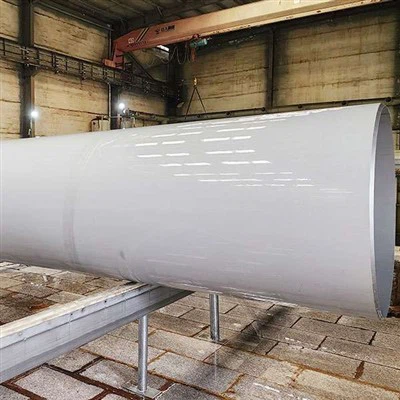
If you're in the market for UNS S31603 or have questions about its properties and applications, don't hesitate to reach out. I'm here to help you make the best choice for your project. We can discuss your specific requirements, such as the form of the material (sheets, bars, pipes, etc.), the quantity you need, and any special processing or finishing you might require.
In conclusion, the chromium content in UNS S31603 is a key factor in its corrosion resistance and mechanical properties. With a chromium content ranging from 16% to 18%, it provides excellent protection against a wide range of corrosive environments. But remember, it's just one piece of the puzzle, and other alloying elements also play important roles. So, when you're making a decision about which stainless steel grade to use, take the time to consider all the factors involved.
If you're interested in purchasing UNS S31603 or want to learn more about it, feel free to contact me for a detailed discussion. We can work together to ensure that you get the best product for your needs.
References:
- ASM Handbook Volume 13A: Corrosion, ASM International
- Stainless Steel: A Practical Guide, ASM International