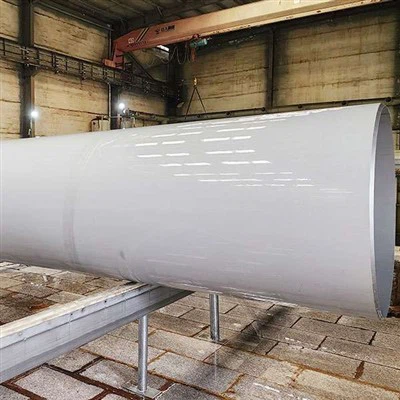
As a reliable supplier of UNS S34709, I've been frequently asked about the certification for this particular stainless - steel alloy. In this blog, I'll delve into what the certification for UNS S34709 is, why it matters, and how it impacts your procurement decisions.
Understanding UNS S34709
Before we dive into the certification details, let's briefly understand what UNS S34709 is. UNS S34709 is a stabilized austenitic stainless steel. It contains niobium and tantalum, which act as stabilizers to prevent the formation of chromium carbides during welding and high - temperature service. This makes it suitable for applications in high - temperature environments, such as power generation, chemical processing, and aerospace industries.
Compared to other common stainless - steel grades, like Stainless Steel 316H / UNS 31609 / 1.4919, Stainless Steel 304 / UNS S30400 / 1.4301, and Stainless Steel 316 / UNS S31600 / 1.4401, UNS S34709 offers better resistance to intergranular corrosion, especially when exposed to elevated temperatures.
Types of Certifications for UNS S34709
Material Certification
Material certification is one of the most fundamental certifications for UNS S34709. It provides detailed information about the chemical composition and mechanical properties of the material. A proper material certification will list the exact percentages of elements such as carbon, silicon, manganese, phosphorus, sulfur, chromium, nickel, niobium, and tantalum in the alloy.
The chemical composition is crucial because it directly affects the material's performance. For example, the correct amount of niobium and tantalum is necessary to ensure the alloy's resistance to intergranular corrosion. The mechanical properties, including yield strength, tensile strength, and elongation, also play a vital role in determining whether the material can withstand the stresses and loads in its intended application.
Mill Test Certificate (MTC)
The Mill Test Certificate is issued by the steel mill where the UNS S34709 is produced. It serves as proof that the material has been manufactured according to the specified standards. The MTC includes information about the heat treatment process, the batch number, and the results of various tests conducted on the material, such as hardness testing, impact testing, and non - destructive testing.
A valid MTC is essential for quality control and traceability. It allows end - users and suppliers to track the origin of the material and verify its compliance with industry standards. In case of any quality issues or disputes, the MTC can be used as evidence to resolve the problem.
Third - Party Inspection Certification
In some cases, especially for critical applications, third - party inspection certification may be required. A third - party inspection agency, independent of the manufacturer and the buyer, will conduct a series of tests and inspections on the UNS S34709 material.
These inspections can include visual inspection, dimensional inspection, and chemical analysis. The third - party agency will issue a certification stating whether the material meets the specified requirements. This type of certification adds an extra layer of assurance for the quality and reliability of the material.
Compliance with Industry Standards
UNS S34709 must comply with various industry standards, such as ASTM (American Society for Testing and Materials) standards. ASTM A240 is a common standard for stainless - steel plate, sheet, and strip, which includes requirements for the chemical composition, mechanical properties, and surface finish of UNS S34709.
Compliance with these standards ensures that the material is consistent in quality and performance. It also makes it easier for designers, engineers, and manufacturers to specify and use the material in their projects.
Why Certifications Matter
Quality Assurance
Certifications are a guarantee of the quality of UNS S34709. When you purchase certified material, you can be confident that it has been produced and tested to meet the specified requirements. This reduces the risk of using sub - standard material, which could lead to equipment failure, safety hazards, and costly downtime.
Regulatory Compliance
In many industries, regulatory bodies require the use of certified materials. For example, in the aerospace and nuclear industries, strict regulations govern the use of materials to ensure the safety and reliability of the systems. By using certified UNS S34709, you can ensure compliance with these regulations and avoid potential legal issues.
Compatibility and Performance
Certifications also help in ensuring the compatibility of the material with other components in a system. The correct chemical composition and mechanical properties specified in the certification ensure that the UNS S34709 will perform as expected when integrated with other materials and parts.
How to Verify Certifications
As a buyer, it's important to know how to verify the certifications of UNS S34709. First, you should request the original certification documents from the supplier. These documents should be clear, legible, and contain all the necessary information.


You can also contact the issuing authority, such as the steel mill or the third - party inspection agency, to confirm the authenticity of the certification. In addition, you can cross - check the information in the certification with the relevant industry standards to ensure compliance.
Our Commitment as a Supplier
As a supplier of UNS S34709, we are committed to providing high - quality materials with valid and reliable certifications. We work closely with reputable steel mills to ensure that our products meet the strictest industry standards. Our team of experts carefully inspects and verifies all the certifications before delivering the materials to our customers.
We understand that the certification of UNS S34709 is crucial for your projects. That's why we offer comprehensive support and assistance in terms of certification verification and technical advice. Whether you need material for a small - scale project or a large - scale industrial application, we can provide you with the right UNS S34709 with the appropriate certifications.
Conclusion
In conclusion, the certification for UNS S34709 is a critical aspect of purchasing and using this stainless - steel alloy. Material certification, Mill Test Certificates, third - party inspection certifications, and compliance with industry standards all contribute to ensuring the quality, performance, and safety of the material.
If you are in the market for UNS S34709, don't hesitate to contact us. We can provide you with detailed information about the certifications of our products and assist you in making the right procurement decision. Let's work together to ensure the success of your projects with high - quality UNS S34709.
References
- ASTM International. ASTM A240/A240M - 21, Standard Specification for Chromium and Chromium - Nickel Stainless Steel Plate, Sheet, and Strip for Pressure Vessels and for General Applications.
- ASME Boiler and Pressure Vessel Code. Section II, Part A - Ferrous Material Specifications.