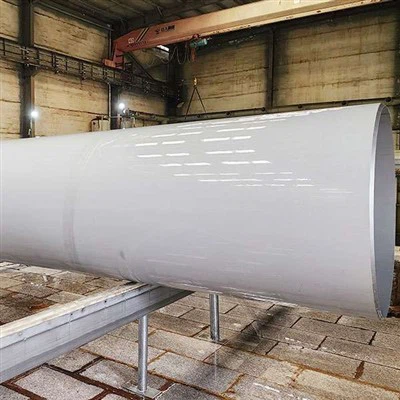
UNS N08367, also known as Stainless Steel AL6XN, is a super austenitic stainless steel that offers exceptional corrosion resistance, high strength, and good weldability. As a reliable supplier of UNS N08367, I understand the importance of proper heat treatment in optimizing the performance of this alloy. In this blog post, I will share detailed insights into how to heat-treat UNS N08367 effectively.
Understanding UNS N08367
Before delving into the heat treatment process, it's essential to have a basic understanding of UNS N08367. This alloy contains high levels of chromium, nickel, and molybdenum, along with nitrogen, which enhances its pitting and crevice corrosion resistance. Its chemical composition typically includes approximately 24 - 26% chromium, 20 - 22% nickel, 6 - 7% molybdenum, and 0.18 - 0.25% nitrogen.
UNS N08367 is commonly used in various industries, such as chemical processing, oil and gas, and marine applications, where resistance to harsh environments is crucial. To fully leverage its properties, proper heat treatment is necessary to achieve the desired microstructure and mechanical properties.
Heat Treatment Objectives
The primary objectives of heat treating UNS N08367 are to:
- Solution Annealing: Dissolve any precipitates that may have formed during fabrication or previous processing, such as carbides and intermetallic compounds. This process ensures a homogeneous microstructure and restores the alloy's corrosion resistance.
- Stress Relieving: Reduce internal stresses induced by cold working, machining, or welding. Stress relieving helps prevent stress corrosion cracking and improves the alloy's dimensional stability.
- Grain Refinement: Control the grain size of the alloy to optimize its mechanical properties, such as strength and toughness.
Solution Annealing Process
Solution annealing is a critical step in the heat treatment of UNS N08367. The following is a step-by-step guide to the solution annealing process:
- Preheating: Preheat the alloy to a temperature of around 600 - 700°C (1112 - 1292°F) to minimize thermal stress during heating. This step helps prevent cracking and ensures uniform heating throughout the material.
- Heating to Solution Annealing Temperature: Raise the temperature of the alloy to the solution annealing temperature range of 1065 - 1120°C (1949 - 2048°F). The exact temperature within this range depends on the specific application and the desired properties of the alloy.
- Soaking Time: Hold the alloy at the solution annealing temperature for a sufficient soaking time to ensure complete dissolution of precipitates. The soaking time typically ranges from 15 to 60 minutes, depending on the thickness of the material.
- Quenching: After the soaking time, rapidly quench the alloy in water or a suitable quenching medium to prevent the re-precipitation of carbides and intermetallic compounds. The quenching rate should be fast enough to achieve the desired microstructure but not so fast as to cause excessive thermal stress and cracking.
Stress Relieving Process
Stress relieving is often performed after cold working, machining, or welding to reduce internal stresses in the alloy. The following steps outline the stress relieving process for UNS N08367:
- Preheating: Similar to solution annealing, preheat the alloy to a temperature of around 600 - 700°C (1112 - 1292°F) to minimize thermal stress during heating.
- Heating to Stress Relieving Temperature: Raise the temperature of the alloy to the stress relieving temperature range of 850 - 900°C (1562 - 1652°F). This temperature is lower than the solution annealing temperature to avoid significant changes in the alloy's microstructure.
- Soaking Time: Hold the alloy at the stress relieving temperature for a sufficient soaking time, typically ranging from 1 to 4 hours, depending on the thickness of the material and the level of stress to be relieved.
- Cooling: Slowly cool the alloy in the furnace or in air to room temperature. This slow cooling rate helps prevent the formation of new internal stresses.
Grain Refinement
Grain refinement is an important aspect of heat treating UNS N08367, as it can significantly improve the alloy's mechanical properties. One common method for grain refinement is to perform a two-step heat treatment process:

- Initial Solution Annealing: As described earlier, perform a solution annealing process to dissolve any precipitates and obtain a homogeneous microstructure.
- Cold Working: Cold work the alloy by rolling, forging, or other deformation processes to introduce strain into the material. The amount of cold work should be carefully controlled to achieve the desired grain refinement effect.
- Re-solution Annealing: Heat the cold-worked alloy to a lower solution annealing temperature, typically in the range of 1000 - 1050°C (1832 - 1922°F), for a shorter soaking time. This process promotes the formation of new grains and refines the existing grain structure.
Quality Control
To ensure the effectiveness of the heat treatment process, it is essential to implement strict quality control measures. This includes:
- Temperature Monitoring: Use accurate temperature sensors and control systems to monitor and maintain the desired heat treatment temperatures throughout the process.
- Microstructure Examination: Conduct metallographic analysis to examine the microstructure of the heat-treated alloy. This analysis helps verify that the desired microstructure has been achieved and that any precipitates have been effectively dissolved.
- Mechanical Testing: Perform mechanical tests, such as tensile testing, hardness testing, and impact testing, to evaluate the mechanical properties of the heat-treated alloy. These tests ensure that the alloy meets the required specifications for its intended application.
Comparison with Other Stainless Steels
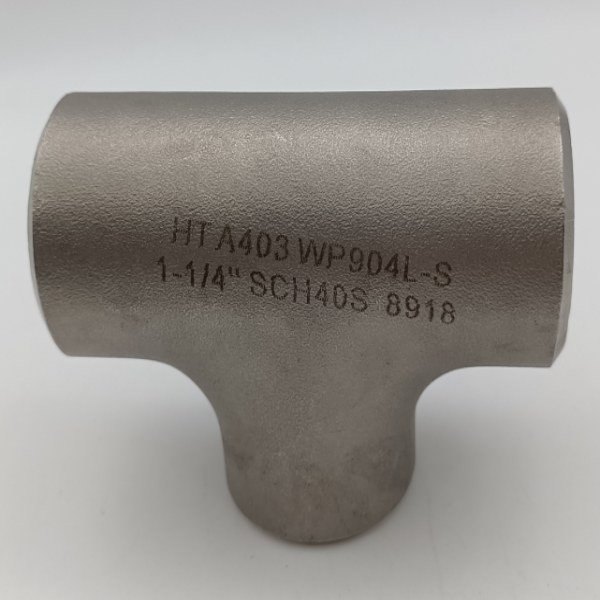
When considering the heat treatment of UNS N08367, it's interesting to compare it with other stainless steels, such as Stainless Steel 904L / UNS N08904 / 1.4539 and Stainless Steel 316 / UNS S31600 / 1.4401.
Stainless Steel 904L is another austenitic stainless steel with high nickel and molybdenum content. While it offers good corrosion resistance, UNS N08367 generally provides better pitting and crevice corrosion resistance, especially in chloride-containing environments. The heat treatment processes for both alloys are similar, but the specific temperatures and soaking times may vary depending on their chemical compositions and intended applications.
Stainless Steel 316 is a widely used austenitic stainless steel with lower alloy content compared to UNS N08367. It has lower corrosion resistance in aggressive environments but is more cost-effective. The heat treatment of Stainless Steel 316 typically involves solution annealing at a lower temperature range compared to UNS N08367.
Conclusion
Proper heat treatment is crucial for optimizing the performance of UNS N08367. By following the recommended heat treatment processes, such as solution annealing, stress relieving, and grain refinement, you can achieve the desired microstructure and mechanical properties, ensuring the alloy's excellent corrosion resistance and durability.
As a supplier of Stainless Steel AL6XN / UNS N08367 / 1.4529, I am committed to providing high-quality materials and technical support to our customers. If you have any questions about heat treating UNS N08367 or are interested in purchasing our products, please feel free to contact us for further discussion and procurement negotiations.
References
- ASM Handbook, Volume 4: Heat Treating, ASM International
- Stainless Steel World Handbook
- Technical literature provided by UNS N08367 manufacturers