Hey there! As a supplier of UNS S31603, I often get asked about its bending ability. So, let's dive right into it and explore what makes the bending of UNS S31603 tick.
First off, what the heck is UNS S31603? It's a low-carbon version of the popular 316 stainless steel. The "UNS" stands for Unified Numbering System, which is a standardized way to identify metals and alloys in North America. The "S31603" specifically refers to this particular type of stainless steel. It's known for its excellent corrosion resistance, especially in chloride-rich environments. You'll find it in a whole bunch of applications, from kitchen equipment to marine installations.
Now, let's talk about bending. Bending is a crucial process in metalworking. It allows us to shape the metal into different forms to meet various design requirements. When it comes to UNS S31603, its bending ability is influenced by several factors.
One of the key factors is the material's mechanical properties. UNS S31603 has a certain level of strength and ductility. Strength refers to how much force the material can withstand before it deforms or breaks. Ductility, on the other hand, is the ability of the material to be stretched or bent without cracking. In the case of UNS S31603, it has a good balance of strength and ductility, which makes it suitable for bending operations.
The condition of the material also plays a big role. If the UNS S31603 has been heat-treated or cold-worked, its bending behavior can change. Heat treatment can alter the internal structure of the metal, which may affect its strength and ductility. Cold working, like rolling or drawing, can increase the strength of the material but may reduce its ductility to some extent. So, when we're planning to bend UNS S31603, we need to take into account its previous processing history.
Another important aspect is the bending method. There are different ways to bend metal, such as press braking, roll bending, and rotary draw bending. Each method has its own advantages and limitations when it comes to UNS S31603.
Press braking is a common method. It involves using a press brake machine to apply force to the metal at a specific point to create a bend. This method is great for making sharp bends and is relatively fast. However, it requires careful control of the bending force and the die used. If the force is too high or the die is not the right shape, it can cause cracking or other defects in the UNS S31603.
Roll bending, as the name suggests, uses rolls to gradually bend the metal into a curved shape. This method is suitable for making large-radius bends, like cylinders or cones. It's a more gentle way of bending compared to press braking, which can be beneficial for maintaining the integrity of the UNS S31603.
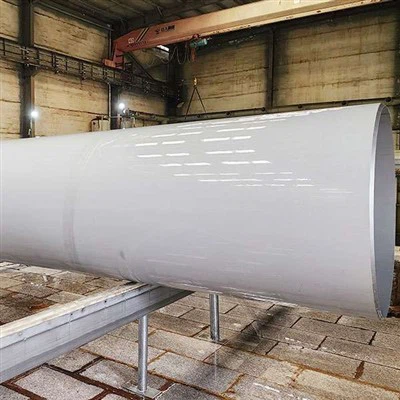
Rotary draw bending is often used for making precise bends with a small radius. It involves pulling the metal around a die while applying pressure to form the bend. This method is commonly used in applications where high precision is required, such as in the manufacturing of pipes and tubes.
When we're bending UNS S31603, we also need to consider the thickness of the material. Thicker sheets or bars of UNS S31603 will require more force to bend compared to thinner ones. And as the thickness increases, the risk of cracking or other defects during bending also goes up. So, we need to adjust our bending parameters accordingly.
Let's compare UNS S31603 with some other stainless steels in terms of bending ability. For example, Stainless Steel 347 / UNS S34700 / 1.4550 has good high-temperature strength and is often used in applications where exposure to high temperatures is expected. However, its bending ability may be slightly different from UNS S31603 due to its different chemical composition and mechanical properties.
Stainless Steel 317 / UNS S31700 / 1.4449 is another stainless steel that offers enhanced corrosion resistance compared to UNS S31603. But when it comes to bending, the additional alloying elements in Stainless Steel 317 may affect its ductility and make it a bit more challenging to bend in some cases.


Stainless Steel 17 - 4PH / UNS S17400 / 1.4542 is a precipitation-hardening stainless steel. It's known for its high strength and good corrosion resistance. However, its bending ability is also influenced by its heat treatment and precipitation-hardening process. It may require different bending techniques and parameters compared to UNS S31603.
In real-world applications, the bending ability of UNS S31603 is put to the test all the time. For instance, in the construction of architectural structures, UNS S31603 is often bent to create decorative elements or structural components. The ability to bend the material accurately and without defects is crucial for achieving the desired aesthetic and functional results.
In the food and beverage industry, UNS S31603 is used to make equipment like tanks and pipes. Bending these components to fit the specific layout of a production facility is an important part of the manufacturing process. The corrosion resistance of UNS S31603 ensures that the bent parts can withstand the harsh environment of food processing.
If you're in the market for UNS S31603 and have specific bending requirements, I'm here to help. Whether you need advice on the best bending method for your project or want to source high-quality UNS S31603, I've got you covered. Just reach out, and we can have a chat about how to meet your needs.
In conclusion, the bending ability of UNS S31603 is a complex but fascinating topic. It's influenced by factors like mechanical properties, material condition, bending method, and thickness. By understanding these factors, we can make the most of UNS S31603's bending capabilities and create high-quality products. So, if you're looking for a reliable supplier of UNS S31603 for your bending projects, don't hesitate to get in touch. Let's work together to bring your ideas to life!
References:
- Metals Handbook: Properties and Selection - Stainless Steels, Tool Materials, and Special - Purpose Metals, ASM International.
- Stainless Steel Design Manual, The Nickel Institute.