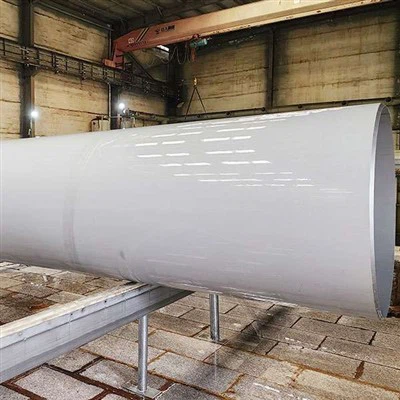
Hey there! As a supplier of UNS S31603, I've had a front - row seat to see how this material performs in various conditions. Today, I'm gonna dive deep into how it fares in high - temperature environments.
First off, let's get to know UNS S31603 a bit better. It's a low - carbon version of the popular 316 stainless steel. The low carbon content helps prevent carbide precipitation during welding and high - temperature service, which can lead to intergranular corrosion. This makes it a great choice for applications where corrosion resistance is a top priority, especially in high - temperature settings.
Physical and Chemical Properties at High Temperatures
When we talk about high - temperature performance, we need to look at a few key factors: strength, corrosion resistance, and oxidation resistance.


Strength
At high temperatures, the strength of materials can change significantly. UNS S31603 maintains a decent level of strength. As the temperature rises, its yield strength and tensile strength do decrease, but it still holds up well compared to some other materials. For example, in applications where the temperature hovers around 500 - 600°C, UNS S31603 can still withstand a good amount of stress without deforming easily. This is crucial in industries like chemical processing, where equipment needs to handle high - pressure and high - temperature fluids.
Corrosion Resistance
One of the main selling points of UNS S31603 is its excellent corrosion resistance, and this doesn't change much at high temperatures. The chromium and nickel in its composition form a protective oxide layer on the surface. This layer acts as a barrier, preventing corrosive substances from reaching the base metal. Even in high - temperature environments with the presence of acids, alkalis, or salts, UNS S31603 can resist corrosion for a long time. For instance, in the food and beverage industry, where equipment is often exposed to hot, acidic solutions during the production process, UNS S31603 can keep its integrity and prevent contamination.
Oxidation Resistance
Oxidation is a common problem in high - temperature environments. When metals are exposed to oxygen at high temperatures, they can form oxides that can flake off and weaken the material. However, UNS S31603 has good oxidation resistance. The chromium in the alloy forms a stable chromium oxide layer on the surface, which protects the metal from further oxidation. This allows it to be used in applications such as heat exchangers and furnace components, where it is constantly exposed to high - temperature air.
Comparison with Other Stainless Steels
It's always a good idea to compare UNS S31603 with other stainless steels to see how it stacks up.
Stainless Steel 317 / UNS S31700 / 1.4449
Stainless Steel 317 / UNS S31700 / 1.4449 has a higher molybdenum content than UNS S31603. This gives it better pitting and crevice corrosion resistance, especially in environments with high chloride concentrations. However, in terms of high - temperature strength and oxidation resistance, UNS S31603 is comparable. So, if your application doesn't require extremely high resistance to chloride - induced corrosion, UNS S31603 can be a more cost - effective option.
Stainless Steel 321H / UNS S32109 / 1.4878
Stainless Steel 321H / UNS S32109 / 1.4878 contains titanium, which stabilizes the carbon in the alloy and prevents carbide precipitation. This makes it more suitable for applications where the material will be exposed to high temperatures for long periods. While UNS S31603 has good high - temperature performance, Stainless Steel 321H may have an edge in terms of long - term stability at very high temperatures. But again, it depends on your specific requirements and budget.
Stainless Steel 316H / UNS 31609 / 1.4919
Stainless Steel 316H / UNS 31609 / 1.4919 has a higher carbon content than UNS S31603. This gives it higher strength at high temperatures. However, the higher carbon content also increases the risk of carbide precipitation and intergranular corrosion. So, if your application requires high strength at high temperatures and the risk of corrosion is not a major concern, Stainless Steel 316H might be a better choice. But for most applications where corrosion resistance is key, UNS S31603 is a great option.
Real - World Applications
UNS S31603 is used in a wide range of industries due to its high - temperature performance.
Chemical Industry
In the chemical industry, reactors, storage tanks, and piping systems often operate at high temperatures. UNS S31603's corrosion resistance and strength make it an ideal material for these applications. It can handle various chemicals, including acids, bases, and solvents, without corroding or deforming.
Food and Beverage Industry
As mentioned earlier, the food and beverage industry requires materials that can resist corrosion in hot, acidic environments. UNS S31603 is commonly used in equipment such as boilers, pasteurizers, and fermentation tanks. It ensures the safety and quality of the products by preventing contamination.
Power Generation
In power plants, especially in fossil - fuel power plants, components such as steam pipes and heat exchangers operate at high temperatures. UNS S31603's oxidation resistance and strength make it suitable for these applications, helping to improve the efficiency and reliability of the power generation process.
Conclusion
All in all, UNS S31603 performs quite well in high - temperature environments. It offers a good balance of strength, corrosion resistance, and oxidation resistance. While it may not be the best option for every high - temperature application, it's a versatile material that can meet the needs of many industries.
If you're in the market for a reliable material for high - temperature applications, I'd highly recommend considering UNS S31603. Whether you're in the chemical, food and beverage, or power generation industry, we can provide you with high - quality UNS S31603 products. Don't hesitate to reach out for more information and to start a procurement discussion.
References
- ASM Handbook Volume 13A: Corrosion: Fundamentals, Testing, and Protection.
- Stainless Steel Handbook, 5th Edition.