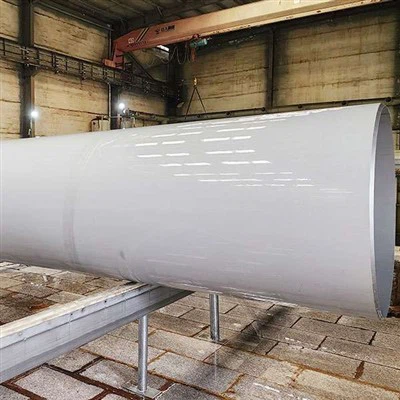
UNS S31254, a super austenitic stainless steel, is renowned for its exceptional corrosion resistance in a wide range of aggressive environments. However, in some extremely harsh conditions, additional protection through coatings can significantly enhance its performance and longevity. As a trusted supplier of UNS S31254, I am well - versed in the various coatings that can be applied to this high - performance alloy for corrosion protection.
Epoxy Coatings
Epoxy coatings are one of the most widely used options for protecting UNS S31254. These coatings are known for their excellent adhesion to the stainless - steel surface. They form a strong, durable barrier that prevents corrosive agents such as water, chemicals, and oxygen from reaching the metal.
The chemical composition of epoxy coatings allows them to resist a broad spectrum of chemicals, including acids, alkalis, and solvents. This makes them suitable for applications in chemical processing plants, where UNS S31254 components may be exposed to aggressive chemical substances. For example, in a sulfuric acid production facility, epoxy - coated UNS S31254 pipes can withstand the corrosive nature of sulfuric acid and other by - products, ensuring long - term reliability.
Epoxy coatings also offer good mechanical properties. They can resist abrasion and impact, which is crucial in industrial environments where the metal may be subject to physical damage. During installation or normal operation, the coating can protect the UNS S31254 surface from scratches that could otherwise initiate corrosion.
Polyurethane Coatings
Polyurethane coatings are another popular choice for corrosion protection of UNS S31254. These coatings are highly flexible, which enables them to adapt to the thermal expansion and contraction of the stainless - steel substrate. This is particularly important in applications where the temperature fluctuates significantly, such as in power generation plants.
One of the key advantages of polyurethane coatings is their excellent weather resistance. They can withstand prolonged exposure to sunlight, rain, and extreme temperatures without significant degradation. This makes them suitable for outdoor applications, such as in offshore oil and gas platforms. In these environments, UNS S31254 components are exposed to saltwater, UV radiation, and harsh weather conditions. A polyurethane coating can provide a protective shield that extends the service life of the alloy.
Polyurethane coatings also have a high - gloss finish, which not only enhances the aesthetic appearance of the UNS S31254 but also provides an additional layer of protection against dirt and contaminants. The smooth surface of the coating makes it easier to clean, reducing the risk of corrosion caused by the accumulation of corrosive substances.
Ceramic Coatings
Ceramic coatings offer a unique combination of properties that make them ideal for protecting UNS S31254 in high - temperature and highly corrosive environments. These coatings typically consist of ceramic particles suspended in a binder, which forms a hard, ceramic - like layer on the metal surface.


The high melting point of ceramic materials allows ceramic coatings to withstand extremely high temperatures. In applications such as furnace linings or exhaust systems, where UNS S31254 may be exposed to temperatures above 800°C, ceramic coatings can prevent oxidation and thermal corrosion. The ceramic layer acts as an insulator, reducing heat transfer to the metal and protecting it from thermal stress.
In addition to high - temperature resistance, ceramic coatings also provide excellent chemical resistance. They can resist the attack of molten salts, acids, and other aggressive chemicals. For example, in a waste - to - energy plant, where UNS S31254 components may be exposed to corrosive flue gases and molten ash, a ceramic coating can protect the metal from corrosion and erosion.
Zinc - Rich Coatings
Zinc - rich coatings are often used as a sacrificial protection method for UNS S31254. Zinc is more electrochemically active than stainless steel, which means that in the presence of an electrolyte (such as water), zinc will corrode preferentially to the UNS S31254. This sacrificial corrosion protects the underlying stainless - steel surface from corrosion.
Zinc - rich coatings are particularly effective in preventing corrosion in marine environments. The zinc in the coating forms a protective layer of zinc oxide and zinc hydroxide when exposed to water and oxygen. This layer acts as a barrier that further inhibits the corrosion process. In ships and offshore structures made of UNS S31254, zinc - rich coatings can provide long - term protection against saltwater corrosion.
Considerations for Coating Selection
When selecting a coating for UNS S31254, several factors need to be considered. The first is the operating environment. As mentioned above, different coatings have different resistance properties to various corrosive agents, temperatures, and mechanical stresses. For example, if the UNS S31254 is used in a chemical plant with strong acid exposure, an epoxy coating may be the best choice. On the other hand, for outdoor applications with high UV exposure, a polyurethane coating would be more suitable.
The surface preparation of the UNS S31254 before coating application is also crucial. The surface must be clean, free of dirt, grease, and oxidation. Proper surface preparation ensures good adhesion between the coating and the metal, which is essential for the effectiveness of the coating.
Cost is another important factor. Some coatings, such as ceramic coatings, may be more expensive than others. However, the long - term benefits, such as extended service life and reduced maintenance costs, need to be taken into account when making a cost - benefit analysis.
Related Alloys and Their Applications
It's also worth mentioning some related alloys and their applications. Stainless Steel 310S / UNS S31008 / 1.4845 is known for its high - temperature resistance and is often used in furnace parts and heat - treating equipment. Stainless Steel 347 / UNS S34700 / 1.4550 has good corrosion resistance and is commonly used in applications where stress - corrosion cracking is a concern, such as in nuclear power plants. Stainless Steel AL6XN / UNS N08367 / 1.4529 is a high - performance alloy with excellent resistance to pitting and crevice corrosion, making it suitable for seawater applications.
Conclusion
As a supplier of UNS S31254, I understand the importance of corrosion protection for this high - performance alloy. The choice of coating depends on the specific requirements of the application, including the operating environment, temperature, and mechanical stress. Epoxy, polyurethane, ceramic, and zinc - rich coatings all offer unique advantages for protecting UNS S31254 from corrosion.
If you are in need of UNS S31254 or have questions about the appropriate coating for your application, I encourage you to reach out for a detailed discussion. Our team of experts can provide you with professional advice and solutions to meet your corrosion - protection needs.
References
- ASM Handbook, Volume 13A: Corrosion: Fundamentals, Testing, and Protection
- Paint and Coating Technology: Principles and Practice by Zeno W. Wicks Jr., Frank N. Jones, and S. Peter Pappas
- Corrosion Engineering: Principles and Practice by Pierre R. Roberge