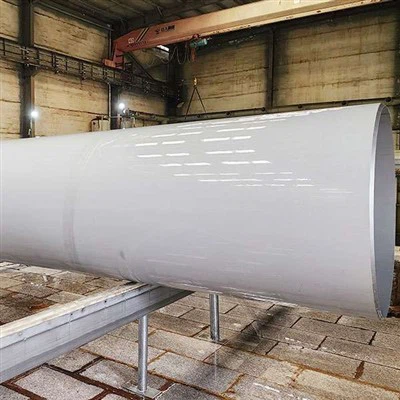
UNS S31600, commonly known as Stainless Steel 316, is a versatile and widely used material in various industries due to its excellent corrosion resistance, good mechanical properties, and high-temperature performance. In the wind energy industry, which is rapidly growing as a clean and sustainable power source, UNS S31600 plays a crucial role in ensuring the reliability and longevity of wind turbines. As a trusted UNS S31600 supplier, I am excited to share with you the typical applications of this remarkable material in the wind energy sector.
Foundation and Tower Structures
The foundation and tower of a wind turbine are the backbone of the entire system, providing support and stability. UNS S31600 is often used in the construction of these components, especially in offshore wind farms where the structures are exposed to harsh marine environments. The high chromium and nickel content in UNS S31600 gives it superior resistance to corrosion from saltwater, which is essential for preventing structural damage and ensuring the long-term integrity of the foundation and tower.
For example, the bolts, nuts, and fasteners used in the connection of tower sections are commonly made of UNS S31600. These small but critical components need to withstand significant mechanical stress and environmental corrosion over the lifetime of the turbine. By using UNS S31600, the risk of corrosion-induced failure is minimized, reducing maintenance costs and improving the overall safety of the wind turbine.
In addition, some parts of the tower itself, such as access ladders, platforms, and handrails, may also be fabricated from UNS S31600. These components are exposed to the elements and require a material that can resist corrosion and maintain its strength and appearance over time. UNS S31600's aesthetic appeal also makes it a suitable choice for these visible parts of the tower.
Gearbox and Generator Components
The gearbox and generator are the heart of a wind turbine, converting the mechanical energy of the rotating blades into electrical energy. UNS S31600 is used in several components of these systems to ensure smooth operation and reliability.
In the gearbox, UNS S31600 can be found in the housing and some internal components. The housing protects the gears and other moving parts from dust, moisture, and mechanical damage. Its corrosion resistance is crucial in preventing the ingress of water and contaminants, which could lead to premature wear and failure of the gears. Some internal components, such as bearings and shafts, may also be made of or coated with UNS S31600 to enhance their durability and resistance to corrosion.
The generator also benefits from the use of UNS S31600. The stator and rotor housings, as well as some electrical connections, can be made of this material. The corrosion resistance of UNS S31600 helps to maintain the electrical insulation and performance of the generator, reducing the risk of electrical faults and improving the overall efficiency of the wind turbine.
Blade and Hub Components
The blades and hub of a wind turbine are subjected to extreme mechanical forces and environmental conditions. While composite materials are commonly used for the main body of the blades, UNS S31600 has its place in some key components.
For example, the blade root fittings, which connect the blades to the hub, are often made of UNS S31600. These fittings need to transfer the large loads from the blades to the hub while maintaining a secure connection. The high strength and corrosion resistance of UNS S31600 make it an ideal choice for this application.
In the hub, some of the internal components, such as the pitch control mechanism and the yaw system, may use UNS S31600 parts. The pitch control mechanism adjusts the angle of the blades to optimize the power output of the turbine, while the yaw system ensures that the turbine is always facing the wind. These components need to operate smoothly and reliably in various environmental conditions, and the corrosion resistance of UNS S31600 helps to ensure their long-term performance.
Control Systems and Electrical Enclosures
The control systems and electrical enclosures in a wind turbine are responsible for monitoring and regulating the operation of the turbine. They need to be protected from environmental factors such as dust, moisture, and corrosion to ensure the proper functioning of the electrical components.
UNS S31600 is commonly used in the construction of electrical enclosures. These enclosures house the control panels, sensors, and other electrical equipment, providing a secure and protected environment. The corrosion resistance of UNS S31600 ensures that the enclosures can withstand the harsh conditions of the wind farm, whether onshore or offshore, and prevent the ingress of water and contaminants that could damage the electrical components.
Some of the control system components, such as sensors and actuators, may also have parts made of UNS S31600. These components need to be reliable and accurate in their operation, and the corrosion resistance of UNS S31600 helps to maintain their performance over time.
Comparison with Other Stainless Steels
While UNS S31600 is widely used in the wind energy industry, it's worth comparing it with other stainless steels to understand its advantages. Stainless Steel 316H / UNS 31609 / 1.4919 is a high-temperature version of Stainless Steel 316. It has better creep resistance at elevated temperatures, which may be suitable for applications in areas of the wind turbine where high temperatures are generated, such as near the generator. However, for general corrosion resistance in normal operating conditions, UNS S31600 is often a more cost - effective choice.
Stainless Steel 17 - 4PH / UNS S17400 / 1.4542 is a precipitation - hardening stainless steel with high strength and good corrosion resistance. It may be used in applications where high strength is required, such as in some critical structural components. But it is more expensive and may require more complex heat treatment processes compared to UNS S31600.
Stainless Steel 316L / UNS S31603 / 1.4404 is a low - carbon version of Stainless Steel 316. It has better resistance to intergranular corrosion, especially in welded structures. In some wind turbine applications where welding is involved, 316L may be preferred over UNS S31600. However, for non - welded components or in applications where cost is a major consideration, UNS S31600 is a popular choice.
Why Choose Our UNS S31600
As a supplier of UNS S31600, we are committed to providing high - quality products to the wind energy industry. Our UNS S31600 materials are sourced from reliable mills and undergo strict quality control processes to ensure they meet the required standards.

We offer a wide range of product forms, including bars, sheets, plates, pipes, and fittings, to meet the diverse needs of our customers in the wind energy sector. Whether you need small - scale components or large - scale structural parts, we can provide the right materials in the right quantities.
Our technical support team is always ready to assist you with any questions or concerns you may have regarding the application of UNS S31600 in your wind turbine projects. We can provide advice on material selection, fabrication processes, and corrosion prevention strategies to help you optimize the performance and reliability of your wind turbines.
If you are involved in the wind energy industry and are looking for a reliable UNS S31600 supplier, we invite you to contact us for a detailed discussion about your requirements. We are confident that our high - quality products and excellent service will meet your expectations and contribute to the success of your wind turbine projects.

References
- ASM Handbook, Volume 13A: Corrosion: Fundamentals, Testing, and Protection, ASM International.
- Stainless Steel Design Manual, The Nickel Institute.
- Wind Energy Handbook, E. L. Hau.