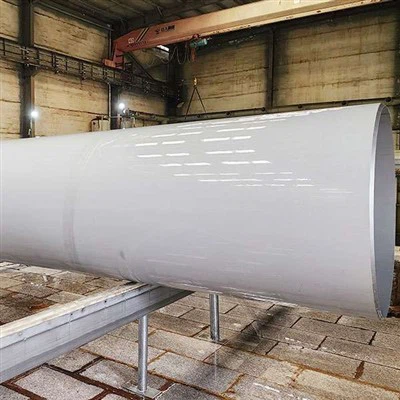
UNS S31700, also known as Stainless Steel 317, is a molybdenum-bearing austenitic stainless steel. It offers enhanced corrosion resistance compared to other common stainless steels like Stainless Steel 304L / UNS S30403 / 1.4306, 1.4307 and Stainless Steel 316 / UNS S31600 / 1.4401 due to its higher molybdenum and nickel content. As a reliable supplier of UNS S31700, I am well - versed in the various surface treatment methods for this material, which can further optimize its performance and appearance.
Mechanical Polishing
Mechanical polishing is one of the most common surface treatment methods for UNS S31700. This process involves using abrasive materials to remove surface irregularities, scratches, and burrs. By doing so, it can significantly improve the surface finish of the stainless steel, making it smoother and more reflective.
The mechanical polishing process typically starts with coarse - grained abrasives to remove large surface defects and gradually progresses to finer - grained abrasives for a high - gloss finish. For UNS S31700, we usually begin with 80 - 120 grit abrasive belts or discs to remove the initial surface imperfections. As the process continues, we switch to 220 - 320 grit abrasives to refine the surface further. Finally, using 400 - 600 grit abrasives can achieve a smooth, mirror - like finish.
One of the main advantages of mechanical polishing is its ability to produce a consistent and aesthetically pleasing surface. It can enhance the corrosion resistance of UNS S31700 to some extent by eliminating potential sites for corrosion initiation. Additionally, a polished surface is easier to clean, which is beneficial in applications where hygiene is crucial, such as in the food and beverage industry.
Chemical Passivation
Chemical passivation is a critical surface treatment for UNS S31700. This process involves immersing the stainless steel in a chemical solution, usually a nitric acid - based solution, to remove free iron and other contaminants from the surface. By doing this, it promotes the formation of a passive oxide film on the surface of the material.
The passive oxide film is extremely thin, typically only a few nanometers thick, but it plays a vital role in protecting the stainless steel from corrosion. For UNS S31700, the passivation process usually takes place at a specific temperature and for a set period. The temperature of the nitric acid solution is typically maintained between 40 - 60°C, and the immersion time can range from 20 - 60 minutes, depending on the thickness and complexity of the workpiece.
Passivation can significantly improve the corrosion resistance of UNS S31700, especially in environments containing chlorides, such as in coastal areas or in some chemical processing plants. It restores the natural corrosion - resistant properties of the stainless steel that may have been compromised during manufacturing processes like welding or machining.
However, it's important to note that proper handling and disposal of the chemical solutions used in passivation are necessary due to their potential environmental and health hazards. Strict safety protocols must be followed during the passivation process.
Electroplating
Electroplating is another surface treatment option for UNS S31700. This process involves depositing a thin layer of another metal, such as chromium or nickel, onto the surface of the stainless steel using an electrochemical process.
For example, chrome plating can provide a hard, wear - resistant, and decorative surface. The electroplating process starts with cleaning and activating the surface of UNS S31700 to ensure good adhesion of the plating layer. Then, the workpiece is immersed in an electrolyte solution containing metal ions of the plating metal. An electric current is applied, causing the metal ions to be reduced and deposited onto the surface of the stainless steel.
Electroplating can enhance the wear resistance of UNS S31700, making it more suitable for applications where the material is subject to friction and abrasion, such as in some mechanical parts. It can also improve the aesthetic appearance of the stainless steel, giving it a shiny and uniform finish. However, electroplating requires specialized equipment and expertise, and there are also environmental concerns associated with the disposal of the electroplating solutions.
Shot Peening
Shot peening is a surface treatment method that involves bombarding the surface of UNS S31700 with small, spherical particles, known as shot. The impact of the shot on the surface creates compressive stresses, which can improve the fatigue resistance of the material.


The shot used in shot peening can be made of various materials, such as steel, glass, or ceramic. For UNS S31700, steel shot is often used due to its durability and ability to create significant compressive stresses. The size of the shot typically ranges from 0.1 - 1.0 mm, and the intensity of the shot peening is controlled by parameters such as the velocity of the shot and the coverage area.
Shot peening can be particularly useful in applications where UNS S31700 is subjected to cyclic loading, such as in some structural components or in rotating machinery. The compressive stresses induced by shot peening can prevent the initiation and propagation of cracks, thereby extending the service life of the material.
Anodizing
Although anodizing is more commonly associated with aluminum alloys, it can also be applied to UNS S31700 in some cases. Anodizing involves forming an oxide layer on the surface of the stainless steel through an electrochemical process.
During anodizing, the UNS S31700 workpiece is made the anode in an electrolyte solution, and an electric current is passed through it. This causes the oxidation of the surface, forming an oxide layer. The thickness and properties of the oxide layer can be controlled by adjusting the anodizing parameters, such as the type of electrolyte, the voltage, and the time.
Anodizing can enhance the corrosion resistance of UNS S31700 and also provide a decorative finish. Different colors can be achieved by adding specific dyes to the anodizing electrolyte, which can be useful for applications where aesthetics are important, such as in architectural or consumer product applications.
Applications of Surface - Treated UNS S31700
The surface - treated UNS S31700 has a wide range of applications. In the chemical industry, passivated and polished UNS S31700 is used in storage tanks, pipelines, and reaction vessels due to its excellent corrosion resistance. The smooth, polished surface makes it easier to clean and prevents the accumulation of chemicals that could cause corrosion.
In the food and beverage industry, mechanically polished and passivated UNS S31700 is used in equipment such as mixing tanks, conveyor belts, and processing machinery. The hygienic surface finish and enhanced corrosion resistance ensure the safety and quality of the food products.
In the marine industry, shot - peened and passivated UNS S31700 is used in shipbuilding components, such as propellers, shafts, and deck fittings. The improved fatigue resistance and corrosion resistance are essential in the harsh marine environment.
Conclusion
As a supplier of UNS S31700, I understand the importance of proper surface treatment methods. Each treatment method, whether it's mechanical polishing, chemical passivation, electroplating, shot peening, or anodizing, offers unique benefits and can be tailored to specific applications.
If you are looking for high - quality UNS S31700 with the appropriate surface treatment for your project, feel free to contact us. We have the expertise and experience to provide you with the best solutions. Whether you need a highly polished surface for aesthetic reasons or enhanced corrosion and wear resistance for industrial applications, we can meet your requirements. Reach out to us to start a discussion about your specific needs and how we can assist you in getting the most out of UNS S31700.
References
- ASM Handbook, Volume 5: Surface Engineering.
- Stainless Steel Handbook, The Nickel Institute.
- ASTM Standards related to stainless steel surface treatments, such as ASTM A967 for passivation.