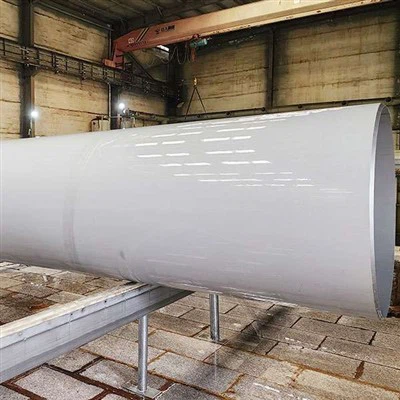
UNS S30403, commonly known as 304L stainless steel, is a low-carbon variation of the popular 304 stainless steel. It is highly sought - after in numerous industries due to its excellent corrosion resistance, good formability, and weldability. As a supplier of UNS S30403, I am well - versed in the various surface finishes available for this material, which can significantly enhance its appearance, functionality, and performance.
Mill Finish
The mill finish is the most basic surface finish for UNS S30403. It is the finish that the material comes with directly from the manufacturing process. There are different types of mill finishes, such as No. 1, No. 2D, and No. 2B.
The No. 1 finish is a hot - rolled, annealed, and pickled finish. It has a rough, dull appearance and is commonly used in applications where the surface finish is not a critical factor, such as in structural components or applications where further processing will be done. The pickling process removes the scale formed during hot - rolling, leaving a relatively clean surface.
The No. 2D finish is a cold - rolled, annealed, and pickled finish. It has a smooth, dull appearance and is often used in applications where a moderate level of corrosion resistance and formability are required. This finish is suitable for products like tanks, containers, and some architectural applications.


The No. 2B finish is also cold - rolled, but it undergoes additional skin - passing after annealing and pickling. This results in a smooth, shiny surface with a slight reflectivity. It is one of the most commonly used finishes for UNS S30403 due to its good combination of appearance and functionality. It is widely used in kitchen equipment, food processing machinery, and general industrial applications.
Polished Finishes
Polished finishes can transform the appearance of UNS S30403, giving it a high - end, reflective look. There are different levels of polished finishes, ranging from a satin polish to a mirror polish.
Satin polish, also known as a brushed finish, is achieved by using abrasive belts or pads to create a uniform, directional pattern on the surface. This finish is popular in architectural applications, such as elevator interiors, handrails, and decorative panels. It provides a soft, non - glare appearance and is relatively easy to maintain. The brushed pattern can also help to hide minor scratches and fingerprints.
Mirror polish, on the other hand, is a highly reflective finish that is achieved through a multi - step polishing process. First, the surface is ground with progressively finer abrasives, and then it is buffed to a high shine. Mirror - polished UNS S30403 is often used in high - end decorative applications, such as jewelry displays, art installations, and luxury consumer products. However, it requires more careful handling and maintenance to keep its pristine appearance, as it can easily show fingerprints and scratches.
Bead Blasted Finish
Bead blasting is a process where small glass beads or other abrasive media are propelled at high speed onto the surface of the UNS S30403. This creates a uniform, matte - like finish that can hide surface imperfections and provide a unique aesthetic.
The bead - blasted finish is commonly used in applications where a non - reflective surface is desired, such as in electronic enclosures, automotive parts, and some medical equipment. It also provides a certain level of corrosion resistance and can improve the adhesion of paints or coatings if further treatment is required.
Passivated Finish
Passivation is a chemical treatment process that enhances the corrosion resistance of UNS S30403. After the material is fabricated, it is immersed in a passivating solution, typically a nitric acid - based solution. This solution removes free iron and other contaminants from the surface and forms a thin, protective oxide layer.
The passivated finish is crucial for applications where the material will be exposed to corrosive environments, such as in chemical processing plants, marine applications, and outdoor structures. It helps to prevent rust and corrosion, extending the service life of the UNS S30403 components.
Coated Finishes
In some cases, UNS S30403 can be coated with various materials to enhance its performance or appearance. One common type of coating is a powder coating. Powder coating involves applying a dry powder to the surface of the material, which is then heated to form a durable, protective layer.
Powder coatings can come in a wide range of colors and finishes, from matte to high - gloss. They provide excellent corrosion resistance, scratch resistance, and UV resistance. Powder - coated UNS S30403 is often used in outdoor furniture, architectural facades, and automotive parts.
Another type of coating is a PTFE (polytetrafluoroethylene) coating. PTFE coatings are known for their non - stick properties, low friction coefficient, and chemical resistance. They are commonly used in applications where non - stick surfaces are required, such as in cookware, food processing equipment, and some industrial machinery.
Comparison with Other Stainless Steels
When considering surface finishes for UNS S30403, it is also interesting to compare it with other stainless steels. For example, Stainless Steel 254SMO / F44 / UNS S31254 / 1.4547 is a super austenitic stainless steel with higher alloy content, which gives it superior corrosion resistance in more aggressive environments. However, the surface finishes available for it are similar to those of UNS S30403, but the choice of finish may be more focused on maximizing its high - end performance.
Stainless Steel 347 / UNS S34700 / 1.4550 contains niobium, which stabilizes the material against intergranular corrosion during welding. The surface finishes for 347 stainless steel are also comparable to UNS S30403, but in applications where welding is a major factor, the finish may need to be selected with consideration for post - welding passivation and surface integrity.
Stainless Steel AL6XN / UNS N08367 / 1.4529 is a high - alloy austenitic stainless steel with excellent resistance to chloride - induced corrosion. Similar to the other stainless steels, various surface finishes can be applied, but the focus may be on finishes that enhance its corrosion - resistant properties in chloride - rich environments.
Choosing the Right Surface Finish
Selecting the appropriate surface finish for UNS S30403 depends on several factors. The intended application is the primary consideration. For example, if the material will be used in a food - grade environment, a smooth, easy - to - clean finish like a No. 2B or polished finish may be required. In a corrosive industrial environment, a passivated or coated finish may be more suitable.
Cost is also an important factor. Mill finishes are generally the most cost - effective, while highly polished or coated finishes can be more expensive due to the additional processing steps involved.
Aesthetic requirements also play a role. If the appearance of the product is crucial, a satin or mirror - polished finish may be preferred. However, if a non - reflective or more subdued look is desired, a bead - blasted or matte finish may be a better choice.
Contact for Procurement
As a supplier of UNS S30403, I understand the importance of choosing the right surface finish for your specific needs. Whether you require a basic mill finish for a large - scale structural project or a high - end polished finish for a luxury consumer product, I can provide you with high - quality UNS S30403 materials with the appropriate surface finish. If you are interested in purchasing UNS S30403 or have any questions about the surface finishes available, please feel free to contact me for further discussion and procurement details.
References
- ASM Handbook Volume 13A: Corrosion, ASM International
- Stainless Steel: A Technical Guide, The Nickel Institute
- Handbook of Stainless Steels, McGraw - Hill Professional