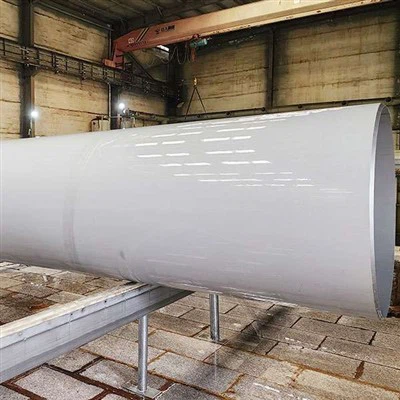
In the world of metals, nickel stands out as a versatile and valuable element. As a nickel supplier, I've had the privilege of working closely with this remarkable metal, understanding its properties, and meeting the diverse needs of our customers. However, like any natural resource, nickel is rarely found in its pure form. It often contains various impurities that can significantly impact its performance and suitability for different applications. In this blog post, I'll delve into the common impurities in nickel, their sources, and the effects they can have on the metal.
Common Impurities in Nickel
Iron
Iron is one of the most common impurities found in nickel. It can be present in varying amounts, depending on the source of the nickel ore and the refining process. Iron impurities can affect the mechanical properties of nickel, such as its strength and ductility. In some cases, iron can also cause corrosion issues, especially in environments where the nickel is exposed to moisture or certain chemicals.
Copper
Copper is another impurity that is frequently found in nickel. It can be introduced during the mining and refining processes, as well as through contamination during handling and storage. Copper impurities can have a significant impact on the electrical conductivity of nickel, making it less suitable for applications where high conductivity is required. Additionally, copper can also affect the corrosion resistance of nickel, particularly in acidic environments.
Sulfur
Sulfur is a common impurity in nickel that can have detrimental effects on its properties. It can be present in the form of sulfides, which can cause embrittlement and reduce the ductility of the metal. Sulfur impurities can also lead to corrosion issues, especially in high-temperature environments. In addition, sulfur can react with other elements in the nickel, such as iron and copper, to form compounds that can further degrade the performance of the metal.
Carbon
Carbon is an impurity that can be found in nickel, especially in the form of graphite or carbide. It can be introduced during the refining process or through contamination during handling and storage. Carbon impurities can affect the mechanical properties of nickel, such as its hardness and strength. In some cases, carbon can also cause corrosion issues, especially in environments where the nickel is exposed to high temperatures or certain chemicals.
Silicon
Silicon is another impurity that is commonly found in nickel. It can be present in the form of silica or silicates, which can affect the mechanical properties of the metal. Silicon impurities can increase the hardness and strength of nickel, but they can also reduce its ductility and toughness. In addition, silicon can also affect the corrosion resistance of nickel, particularly in acidic environments.
Sources of Impurities in Nickel
Mining and Refining Processes
The mining and refining processes are the primary sources of impurities in nickel. During the mining process, nickel ore is extracted from the ground and then processed to remove the unwanted materials. However, these processes are not always perfect, and some impurities may remain in the nickel. Additionally, the refining process can also introduce impurities, especially if the equipment used is not properly maintained or if the process is not carefully controlled.
Contamination during Handling and Storage
Contamination during handling and storage can also introduce impurities into nickel. For example, if the nickel is stored in a dirty or contaminated environment, it can pick up dirt, dust, and other particles that can contaminate the metal. Similarly, if the nickel is handled with dirty tools or equipment, it can also be contaminated with impurities.
Alloying Elements
In some cases, impurities can be introduced into nickel through the addition of alloying elements. For example, when nickel is alloyed with other metals, such as iron, copper, or chromium, these elements can introduce impurities into the nickel. Additionally, the alloying process itself can also introduce impurities, especially if the alloying elements are not pure or if the process is not carefully controlled.
Effects of Impurities on Nickel Properties
Mechanical Properties
Impurities can have a significant impact on the mechanical properties of nickel, such as its strength, ductility, and hardness. For example, iron impurities can increase the strength of nickel, but they can also reduce its ductility. Copper impurities can improve the electrical conductivity of nickel, but they can also reduce its corrosion resistance. Sulfur impurities can cause embrittlement and reduce the ductility of the metal, while carbon impurities can increase the hardness and strength of nickel.
Corrosion Resistance
Impurities can also affect the corrosion resistance of nickel. For example, iron and copper impurities can cause corrosion issues, especially in environments where the nickel is exposed to moisture or certain chemicals. Sulfur impurities can also lead to corrosion problems, particularly in high-temperature environments. In addition, carbon and silicon impurities can affect the corrosion resistance of nickel, especially in acidic environments.
Electrical Conductivity
Impurities can have a significant impact on the electrical conductivity of nickel. For example, copper impurities can reduce the electrical conductivity of nickel, making it less suitable for applications where high conductivity is required. Additionally, sulfur and carbon impurities can also affect the electrical conductivity of nickel, especially in high-temperature environments.
Controlling Impurities in Nickel
Refining Processes
One of the most effective ways to control impurities in nickel is through the use of refining processes. These processes can remove a significant amount of impurities from the nickel, improving its purity and quality. There are several different refining processes that can be used, including electrolysis, pyrometallurgy, and hydrometallurgy. Each process has its own advantages and disadvantages, and the choice of process will depend on the specific requirements of the application.
Quality Control Measures
In addition to refining processes, quality control measures can also be implemented to ensure that the nickel meets the required specifications. These measures can include testing the nickel for impurities, monitoring the refining process, and ensuring that the nickel is stored and handled properly. By implementing these measures, it is possible to minimize the presence of impurities in the nickel and ensure that it meets the highest standards of quality.
Alloying
Alloying is another way to control impurities in nickel. By adding other metals to the nickel, it is possible to improve its properties and reduce the impact of impurities. For example, adding chromium to nickel can improve its corrosion resistance, while adding molybdenum can increase its strength and hardness. However, it is important to note that alloying can also introduce new impurities into the nickel, so it is necessary to carefully control the alloying process to ensure that the desired properties are achieved.
Applications of Nickel with Controlled Impurities
Aerospace Industry
Nickel alloys with controlled impurities are widely used in the aerospace industry due to their high strength, corrosion resistance, and heat resistance. These alloys are used in a variety of applications, including aircraft engines, turbine blades, and structural components. By using nickel alloys with controlled impurities, it is possible to ensure the reliability and performance of these critical components.
Chemical Industry
The chemical industry also relies on nickel alloys with controlled impurities for a variety of applications. These alloys are used in the production of chemicals, such as fertilizers, plastics, and pharmaceuticals. Nickel alloys with controlled impurities are resistant to corrosion and can withstand high temperatures and pressures, making them ideal for use in chemical processing equipment.
Electrical Industry
In the electrical industry, nickel alloys with controlled impurities are used in a variety of applications, including electrical contacts, wiring, and batteries. These alloys are chosen for their high electrical conductivity, corrosion resistance, and mechanical properties. By using nickel alloys with controlled impurities, it is possible to ensure the reliability and performance of electrical components.
Conclusion
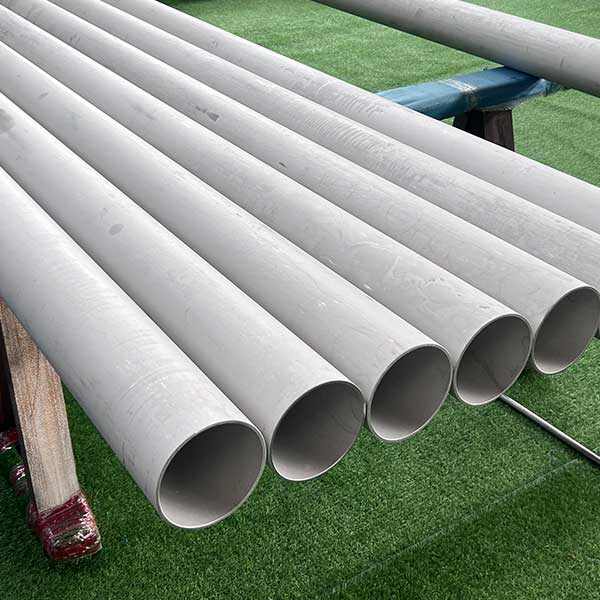
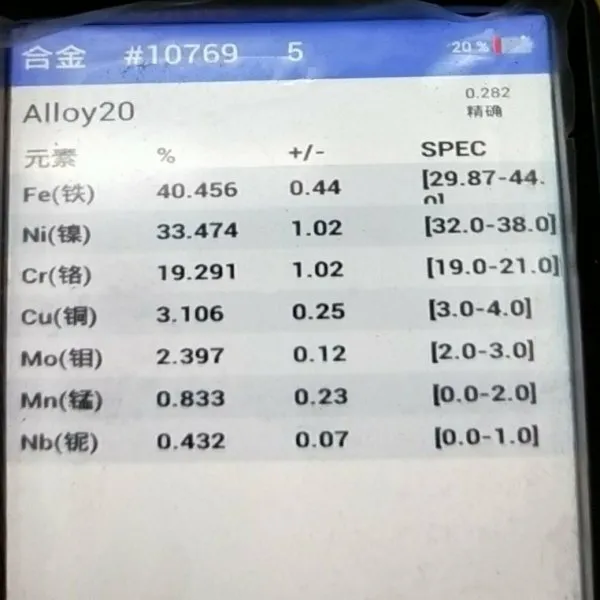
As a nickel supplier, I understand the importance of providing high-quality nickel with controlled impurities. By understanding the common impurities in nickel, their sources, and the effects they can have on the metal, it is possible to take the necessary steps to control these impurities and ensure that the nickel meets the required specifications. Whether you are in the aerospace, chemical, or electrical industry, I can provide you with the nickel products you need, including Alloy 31 / UNS N08031 / 1.4562, Alloy 20 / UNS N08020 / 2.4660, and Nickel 201 / UNS N02201 / 2.4061, 2.4608. If you have any questions or would like to discuss your specific requirements, please do not hesitate to contact me. I look forward to working with you to meet your nickel needs.
References
- ASM Handbook, Volume 2: Properties and Selection: Nonferrous Alloys and Special-Purpose Materials
- Metals Handbook: Properties and Selection: Nonferrous Alloys and Pure Metals
- Corrosion Resistance of Nickel and Nickel Alloys, edited by George S. Frankel
- Nickel and Its Alloys, edited by George E. Totten and D. Scott MacKenzie