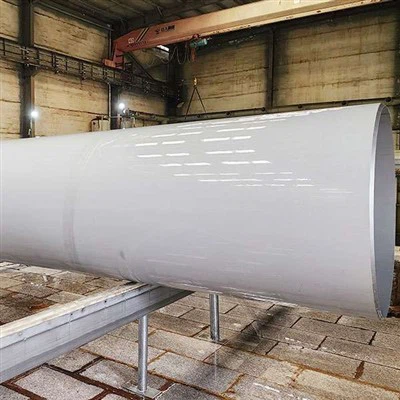
As a supplier of UNS N08904, I've had the privilege of working closely with this remarkable alloy and witnessing its diverse applications across various industries. In this blog post, I'll delve into the mechanical properties of UNS N08904, exploring what makes it such a sought-after material in the world of engineering and manufacturing.
Introduction to UNS N08904
UNS N08904, also known as Stainless Steel 904L, is a low-carbon, high-alloy austenitic stainless steel. It offers excellent corrosion resistance, particularly in environments containing sulfuric acid, phosphoric acid, and chloride ions. This alloy is widely used in chemical processing, food and beverage, pharmaceutical, and marine industries, among others. You can find more detailed information about Stainless Steel 904L / UNS N08904 / 1.4539 on our website.
Chemical Composition
The chemical composition of UNS N08904 plays a crucial role in determining its mechanical properties. It typically contains the following elements:
- Carbon (C): ≤ 0.02%
- Silicon (Si): ≤ 1.00%
- Manganese (Mn): ≤ 2.00%
- Phosphorus (P): ≤ 0.045%
- Sulfur (S): ≤ 0.035%
- Chromium (Cr): 19.0 - 23.0%
- Nickel (Ni): 23.0 - 28.0%
- Molybdenum (Mo): 4.0 - 5.0%
- Copper (Cu): 1.0 - 2.0%
The high nickel and molybdenum content, along with the addition of copper, contribute to the alloy's excellent corrosion resistance and mechanical strength.
Tensile Properties
Tensile properties are among the most important mechanical properties of any material. They describe how a material behaves under tension, including its ability to withstand stretching forces without breaking.
Yield Strength
The yield strength of UNS N08904 is typically around 240 - 260 MPa. This means that the material can withstand a certain amount of stress before it begins to deform plastically. The relatively high yield strength of UNS N08904 makes it suitable for applications where the material needs to maintain its shape under load.
Tensile Strength
The tensile strength of UNS N08904 is usually in the range of 520 - 650 MPa. This indicates the maximum amount of stress the material can withstand before it fractures. The high tensile strength of this alloy allows it to be used in structural applications where high strength is required.
Elongation
Elongation is a measure of the material's ability to stretch before breaking. UNS N08904 typically has an elongation of 35 - 40%. This high elongation indicates that the material is ductile, which means it can be easily formed into various shapes without cracking.
Hardness
Hardness is another important mechanical property that describes a material's resistance to indentation, scratching, or wear. The hardness of UNS N08904 can vary depending on the heat treatment and processing conditions. In the annealed condition, the hardness is typically around 200 - 220 HB (Brinell hardness).

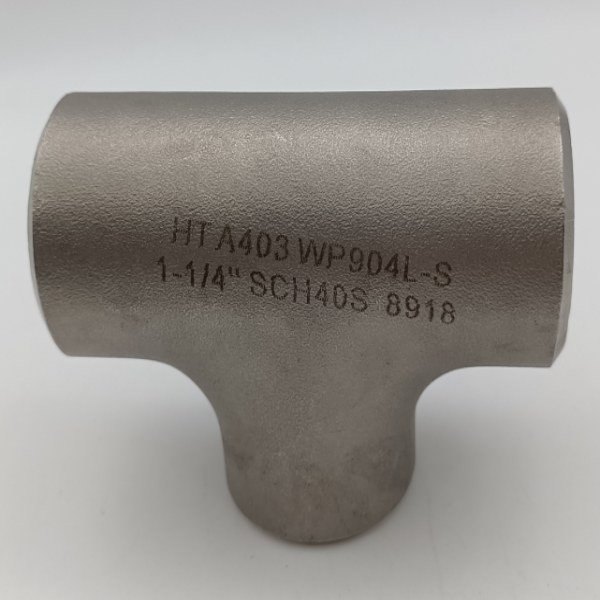
Impact Resistance
Impact resistance is the ability of a material to withstand sudden or high-velocity impacts without fracturing. UNS N08904 exhibits good impact resistance, especially at low temperatures. This makes it suitable for applications in cold environments or where the material may be subjected to impact loading, such as in the construction of offshore platforms and cryogenic equipment.
Comparison with Other Stainless Steels
To better understand the mechanical properties of UNS N08904, it's useful to compare it with other commonly used stainless steels, such as Stainless Steel 17-4PH / UNS S17400 / 1.4542 and Stainless Steel 316L / UNS S31603 / 1.4404.
Stainless Steel 17-4PH
Stainless Steel 17-4PH is a precipitation-hardening stainless steel that offers high strength and good corrosion resistance. However, compared to UNS N08904, it has lower ductility and impact resistance. UNS N08904 is more suitable for applications where high ductility and impact resistance are required, while Stainless Steel 17-4PH is better for applications where high strength is the primary concern.
Stainless Steel 316L
Stainless Steel 316L is a widely used austenitic stainless steel with good corrosion resistance. However, it has lower corrosion resistance in environments containing sulfuric acid and chloride ions compared to UNS N08904. Additionally, UNS N08904 has higher tensile strength and better impact resistance than Stainless Steel 316L.
Applications
The unique combination of mechanical properties and corrosion resistance of UNS N08904 makes it suitable for a wide range of applications, including:
- Chemical Processing: In the chemical industry, UNS N08904 is used for the construction of reactors, heat exchangers, and piping systems that handle corrosive chemicals.
- Food and Beverage: The alloy's excellent corrosion resistance and hygienic properties make it ideal for use in food and beverage processing equipment, such as tanks, pipelines, and valves.
- Pharmaceutical: In the pharmaceutical industry, UNS N08904 is used for the manufacture of equipment that requires high purity and corrosion resistance, such as drug manufacturing vessels and storage tanks.
- Marine: Due to its resistance to seawater corrosion, UNS N08904 is used in marine applications, including shipbuilding, offshore platforms, and desalination plants.
Conclusion
In conclusion, UNS N08904 is a versatile and high-performance alloy with excellent mechanical properties and corrosion resistance. Its high tensile strength, good ductility, and impact resistance make it suitable for a wide range of applications in various industries. As a supplier of UNS N08904, we are committed to providing high-quality products and excellent customer service. If you are interested in purchasing UNS N08904 or have any questions about its properties and applications, please feel free to contact us for further discussion and negotiation.
References
- ASM Handbook, Volume 1: Properties and Selection: Irons, Steels, and High-Performance Alloys
- Metals Handbook Desk Edition, Third Edition
- Stainless Steel World Magazine