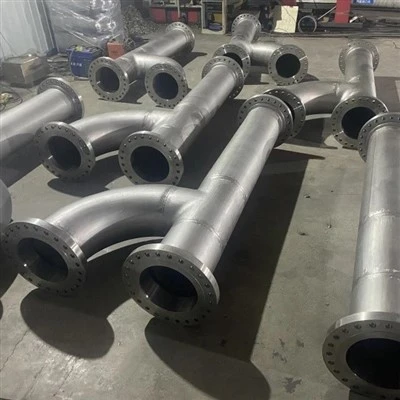
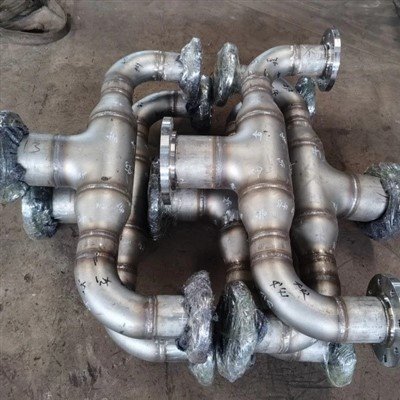
Carbon steel pipes are the modern industrial and commercial infrastructure, valued for their strength, durability, and cost-effectiveness. Whether transporting oil and gas, supporting massive construction projects, or ensuring efficient water distribution, carbon steel pipes play a critical role across multiple industries. Their versatility stems from a combination of mechanical properties, ease of fabrication, and adaptability to various environments.
For businesses looking for reliable piping solutions, understanding carbon steel pipes-their composition, properties, applications, and advantages-can help optimize project performance and cost efficiency. In this comprehensive guide, we'll explore everything you need to know about carbon steel pipes from an industry expert's perspective.
What Is Carbon Steel Pipe?
Carbon steel pipe is a type of steel pipe primarily made from iron and carbon, with trace amounts of manganese, silicon, and other alloying elements. The carbon content determines its hardness and tensile strength-higher carbon levels increase strength but reduce ductility.
Carbon steel pipes are manufactured through seamless or welded processes, making them suitable for high-pressure and high-temperature applications. Their affordability, weldability, and adaptability make them a preferred choice in industries ranging from oil and gas to construction and water supply.
Carbon Steel Pipe Properties
1.High Strength and Durability
Carbon steel pipes offer exceptional tensile strength, making them ideal for heavy-duty applications such as structural supports and high-pressure pipelines. Their ability to withstand mechanical stress without deformation ensures long-term reliability in demanding environments.
2.Corrosion Resistance
While bare carbon steel is prone to rust, protective coatings and treatments significantly enhance corrosion resistance. This makes them suitable for underground pipelines, marine applications, and chemical processing.
3.Temperature and Pressure Resistance
Carbon steel pipes maintain structural integrity under extreme temperatures and pressures, making them ideal for boilers, steam lines, and refinery operations. Their thermal conductivity ensures efficient heat transfer without compromising durability.
4.Excellent Weldability and Machinability
Carbon steel pipes are easy to weld and machine, allowing for seamless integration into custom fabrication projects. This property is crucial for industries requiring precision fittings, automotive components, and mechanical assemblies.
5.Cost-Effectiveness
Compared to stainless steel or alloy pipes, carbon steel pipes provide similar strength at a lower cost, making them a budget-friendly choice for large-scale infrastructure projects.
6.Recyclability
Carbon steel is 100% recyclable, aligning with sustainability goals and reducing environmental impact compared to plastic alternatives.
Applications of Carbon Steel Pipes
Oil and Gas Industry: Carbon steel pipes are the standard for pipelines, drilling rigs, and refineries due to their high-pressure resistance and durability. They efficiently transport crude oil, natural gas, and petrochemicals over long distances.
Water and Sewage Systems: Municipal water supply, drainage, and sewage systems rely on galvanized carbon steel pipes for their corrosion resistance and longevity. Their robustness ensures leak-free performance even under high water pressure.
Construction and Infrastructure: From structural frameworks in skyscrapers to scaffolding and piling, carbon steel pipes provide superior load-bearing capacity. Their weld ability allows for custom designs in bridges, stadiums, and industrial facilities.
Automotive and Machinery Manufacturing: Carbon steel pipes are used in vehicle chassis, exhaust systems, and hydraulic machinery due to their strength-to-weight ratio and machinability. They also serve as critical components in heavy equipment manufacturing.
Power Plants and Boilers: High-temperature applications, such as steam pipelines and boiler systems, depend on carbon steel pipes for their heat resistance and pressure endurance.
Mining and Industrial Processing: Carbon steel pipes transport slurry, chemicals, and abrasive materials in mining operations and processing plants, thanks to their wear resistance and structural toughness.
Carbon Steel Pipe Benefits
1. Long Lifespan with Low Maintenance
Properly coated carbon steel pipes last decades, reducing replacement costs and downtime. Routine inspections and minor upkeep ensure optimal performance.
2. Adaptability Across Industries
From oil rigs to residential plumbing, carbon steel pipes meet diverse requirements, making them a versatile solution.
3. Superior Load-Bearing Capacity
Their high strength-to-weight ratio makes them indispensable in construction, bridges, and heavy machinery.
4. Cost-Effective Compared to Alternatives
Carbon steel pipes offer similar performance to stainless steel at a fraction of the cost, making them ideal for large-scale projects.
5. Environmentally Sustainable
Being fully recyclable, carbon steel pipes support eco-friendly initiatives, unlike plastic piping systems.
6. Wide Range of Sizes and Specifications
Available in various schedules (40, 80, 160, XXS) and diameters, carbon steel pipes can be customized for specific project needs.
Carbon Steel Pipe Schedule Chart
ASTM A106 Grade B Seamless Pipe @ 500°F Max Service Temp
|
Nominal Pipe Size (NPS) |
SCH 40 (in.) |
SCH 80 (in.) |
SCH 160 (in.) |
MAWP (SCH 40) psi |
Weight (SCH 40 lb/ft) |
Typical Cost Factor (vs. SCH 40) |
|
½" |
0.109" |
0.147" |
- |
1,750 |
0.85 |
- |
|
1" |
0.133" |
0.179" |
0.250" |
1,480 |
1.68 |
SCH 80: +35% |
|
2" |
0.154" |
0.218" |
0.344" |
1,150 |
3.65 |
SCH 160: +90% |
|
4" |
0.237" |
0.337" |
0.531" |
790 |
10.79 |
SCH 80: +50% |
|
6" |
0.280" |
0.432" |
0.719" |
640 |
18.97 |
SCH 160: +120% |
|
8" |
0.322" |
0.500" |
0.906" |
520 |
28.55 |
SCH 80: +70% |
|
12" |
0.406" |
0.562" |
1.000" |
500 |
49.56 |
SCH 160: +160% |
|
24" |
0.688" |
1.218" |
- |
320 |
200+ |
SCH 80: +200% |
Conclusion
Carbon steel pipes are essential across industries due to their strength, durability, and affordability. Whether transporting oil and gas, supporting massive construction projects, or ensuring efficient water distribution, their versatility makes them indispensable. By understanding their properties, applications, benefits, and schedules, businesses can select the best carbon steel pipe for their needs. Investing in high-quality carbon steel pipes guarantees long-term reliability, making them a smart choice for any project.
Need expert advice on selecting carbon steel pipes? Contact us today for customized solutions!