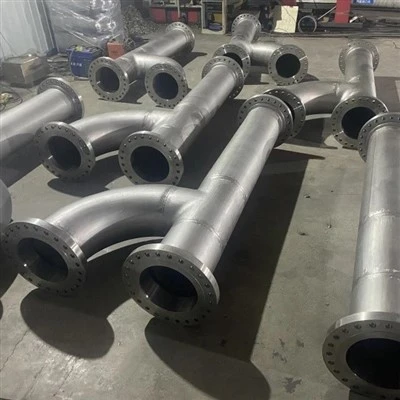
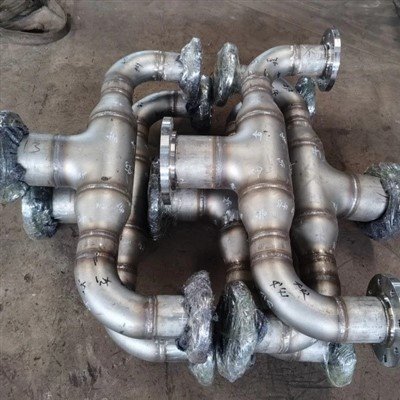
A street elbow is a specialized plumbing or piping fitting designed to change the direction of a pipeline by 90 or 45 degrees. Unlike standard elbows, a street elbow features a male-threaded connection on one end and a female-threaded connection on the other, allowing for direct attachment to another fitting without requiring additional couplings. This unique design makes street elbows highly efficient for tight spaces where minimizing connections is crucial. They are commonly made from materials such as stainless steel, brass, PVC, and galvanized steel, chosen based on the fluid being transported, pressure requirements, and environmental conditions. Street elbows are widely used in water supply systems, gas lines, HVAC systems, and industrial piping networks, where durability and leak-proof connections are essential.

Street Elbow Types
Street elbows are available in multiple configurations to suit different piping needs. The most common type is the 90-degree street elbow, which redirects flow at a right angle, ideal for tight corners in plumbing systems.
Another variant is the 45 degree street elbow, which provides a gentler bend, reducing pressure loss in fluid systems. These elbows also vary by thread standards-National Pipe Thread being the most widely used in North America for tapered, leak-resistant connections, while British Standard Pipe is common in other regions.
Additionally, street elbows are manufactured in different materials: stainless steel, brass, PVC, and carbon steel. Some specialty versions include street elbows with street fittings (both ends male or female threaded for flexible configurations) and press-fit or soldered street elbows for non-threaded installation in copper or PEX systems.
Why is a Street Fitting Called a Street Fitting?
The term "street fitting" originates from early plumbing and gas distribution systems, where these fittings were commonly used in urban installations beneath streets and sidewalks. Their name reflects their historical use in municipal infrastructure, allowing plumbers to make compact, secure connections in tight underground spaces without bulky adapters.
The unique male-female threading design of street elbows and other street fittings enabled easier installation in constrained areas, reducing the need for extra pipe nipples or unions. Over time, the name "street" became standardized in the plumbing industry to describe any fitting that has one male and one female thread, regardless of its application in modern above-ground or industrial piping.
What is a Street Elbow Used for?
Street elbows are primarily used to change pipeline direction while maintaining a secure, leak-free connection with minimal space requirements.
In residential and commercial plumbing, they connect water supply lines to fixtures such as sinks, toilets, and water heaters, especially where wall or floor obstructions limit straight pipe runs.
In HVAC systems, they route refrigerant lines and condensate drains efficiently. Industrial applications include chemical processing plants, where street elbows made of corrosion-resistant stainless steel or PVC manage aggressive fluids, and oil and gas pipelines, where high-strength carbon steel versions withstand extreme pressures.
Fire sprinkler systems also utilize street elbows for tight turns in pressurized water supply lines. Because they eliminate the need for extra couplings, they reduce potential leak points and installation time, making them a preferred choice in both new construction and repair scenarios.
What's the Difference Between a Street Elbow and a Regular Elbow?
The key difference between a street elbow and a regular elbow lies in their connection types.
A regular elbow has two female-threaded ends, requiring additional fittings (like pipe nipples) to connect to male-threaded pipes or valves.
A street elbow, however, has one male and one female end, allowing for direct attachment to existing pipes or fittings without extra adapters. This makes street elbows more compact and efficient in confined spaces.
Additionally, street elbows often involve fewer threaded joints, reducing the risk of leaks and lowering installation complexity. Regular elbows are more flexible for general use, allowing connections between two female adapters, while street elbows are ideal for precise, space-saving transitions. Material, pressure ratings, and corrosion resistance are similar in both types, but the choice depends on the specific plumbing or piping layout requirements.
Summary
Street elbow is a highly functional plumbing and piping fitting designed to change flow direction while minimizing space and connection points. Available in 90-degree and 45 degree angles, it features a male-threaded end and a female-threaded end, distinguishing it from regular elbows (which have two female ends). The name "street" fitting comes from their historical use in underground municipal installations, where compact connections were essential. Today, street elbows are widely used in residential plumbing, HVAC systems, industrial pipelines, and fire protection systems due to their efficiency, leak resistance, and adaptability in tight spaces. The choice between a street elbow and a regular elbow depends on installation constraints and the need for additional fittings. Whether in water supply, gas distribution, or chemical transport, street elbows remain a critical component in modern piping systems, ensuring reliable and space-efficient flow redirection.