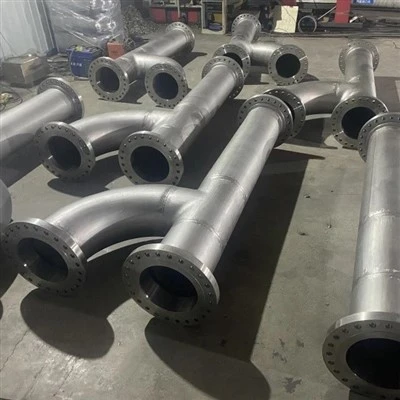
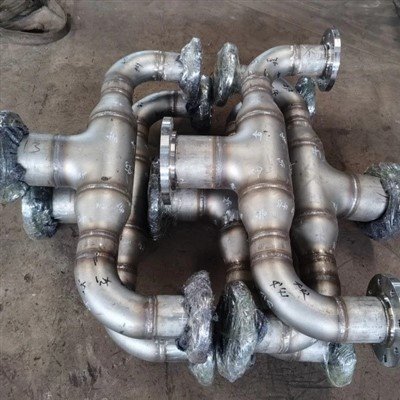
304L stainless steel is primarily used for heavy-gauge industrial components, chemical tanks, and construction materials where extensive welding is required.

304L's primary function is to maintain corrosion resistance in the "heat-affected zone" of welded joints. Therefore, 304L dominates industries specifically in chemical processing, food and beverage manufacturing, water treatment, mining filtration, and architectural structures.
Heavy Gauge Welded Industrial Containers
304L is the mandatory specification for large tanks, pressure vessels, and boilers to prevent intergranular corrosion at weld seams.
In heavy industry, we often work with steel plates thicker than 6mm. When you weld sections of this thickness, the metal stays hot for a long time. In standard 304 steel, this sustained heat causes chromium carbides to form, depleting the protective chromium layer near the weld. This leads to "intergranular corrosion," where the weld area rots away while the rest of the tank remains shiny.
304L eliminates this risk entirely. Because the carbon content is so low, chromium carbides cannot form, even during the prolonged heating cycles of heavy-gauge welding. Consequently, almost every large-scale industrial vat, boiler, or pressure vessel you see in a factory setting is fabricated from 304L to ensure the seams are as corrosion-resistant as the base metal.
Chemical and Petrochemical Processing Equipment
This alloy is utilized for piping systems, heat exchangers, and storage tanks that handle mild chemicals and organic acids.

While aggressive marine or chloride environments often require the more expensive 316L (which contains molybdenum), 304L is the workhorse for standard chemical environments. It offers excellent resistance to oxidizing acids, such as nitric acid, which is heavily used in fertilizer and explosives manufacturing. In these facilities, miles of piping and vast tank farms are constructed from 304L.
It strikes the perfect balance between performance and Cost of Goods Sold (COGS). For a plant manager, using 304L for non-chloride chemical storage is a strategic financial decision; it provides necessary chemical inertness without the price premium of higher-nickel alloys. If the chemical process involves nitric acid or organic acids at moderate temperatures, 304L is the specified material of choice.
Food and Beverage Manufacturing Infrastructure
304L is the industry standard for brewery tanks, milk tankers, and industrial food hoppers due to its hygienic surface and cleanability.
In the food industry, surface finish is everything. Bacteria hide in microscopic pits and crevices. 304L is utilized here not only for its weldability but also because it can be polished to a sanitary finish that resists bacterial colonization. When a brewery installs a 2,000-gallon fermentation tank, they use 304L to ensure that the welds are smooth and corrosion-free.
Furthermore, the alloy is non-reactive; it will not leach metallic flavors into acidic products like tomato sauce, beer, or dairy. From the massive silos holding grain to the pasteurization piping in a dairy plant, 304L ensures compliance with FDA and international food safety standards while withstanding the harsh, caustic chemicals used in daily "Clean-in-Place" (CIP) sanitation cycles.
Water Treatment and Waste Management
Municipal water facilities rely on 304L for weirs, baffles, and piping due to its high strength and resistance to constant moisture.

Water treatment plants are harsh environments characterized by high humidity and constant submersion. Carbon steel would rust away in months; plastics often lack the necessary structural rigidity. 304L provides the solution. It is used to fabricate the gates that control water flow (weirs), the filtration screens that catch debris, and the aeration piping that pumps oxygen into wastewater. The "L" designation is crucial here because these complex structures require extensive welding during assembly.
If the welds were to corrode, the structural integrity of the water control systems would fail, leading to catastrophic leaks or flooding. 304L ensures a service life measured in decades rather than years, reducing municipal maintenance budgets significantly.
Architectural Moldings and Exterior Trim
Architects specify 304L for building facades, handrails, and elevator interiors to maintain aesthetic appeal in high-traffic areas.
While typically associated with heavy industry, 304L has a significant presence in construction. However, its use here is nuanced. For inland cities (away from the salty coast), 304L is the standard for exterior cladding and window frames. It provides that modern, sleek aesthetic that defines contemporary skyscrapers.
The "L" grade is particularly preferred for structural elements like heavy support beams or custom-welded railings in shopping malls and airports. In these high-traffic public spaces, the material must withstand physical impact and rigorous cleaning schedules.
304L offers the hardness to resist denting and the chemical stability to resist the cleaning agents used by custodial staff, ensuring the building looks brand new ten years after construction.
Mining and Filtration Screens
Woven wire cloth and perforated plates made from 304L are essential for sifting and filtration in mining operations due to abrasion resistance.

In the mining and quarrying sector, materials face a double threat: wet corrosion and physical abrasion. 304L is widely used to manufacture "wedge wire" screens and filtration cloths. These screens sort heavy ores, coal, and minerals. The alloy work hardens rapidly, meaning it becomes harder and more durable as it is impacted by rocks and debris.
This property, combined with its inherent corrosion resistance, makes 304L ideal for "wet screening" applications where water is sprayed onto ore to separate it. A softer metal would wear out quickly; a standard carbon steel would rust and contaminate the product. 304L survives the physical pounding while resisting the acidic mine water often present in extraction environments.
Conclusion
If your project involves welding steel thicker than a few millimeters, or if you are building infrastructure intended to last for decades in chemical, food, or water processing environments, 304L is not just an option-it is the requisite specification. It offers the versatility of the 300-series austenitic steels with the added assurance that your project's structural seams will remain as robust as the material itself.