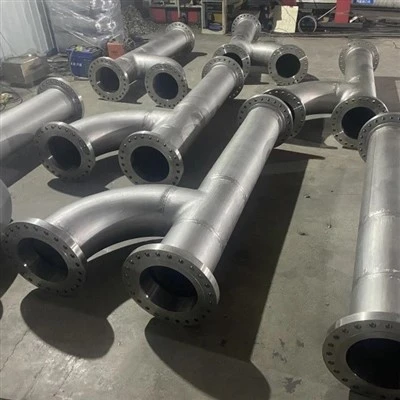
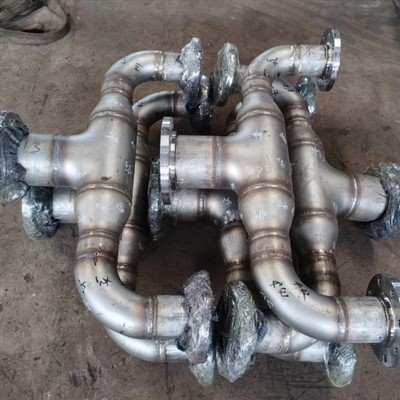
UNS N07718, commercially known as Inconel 718, is a nickel-chromium alloy that has exceptional strength in temperatures ranging from cryogenic conditions up to 700°C. This material combines excellent corrosion resistance, high creep-rupture strength, and outstanding weldability.
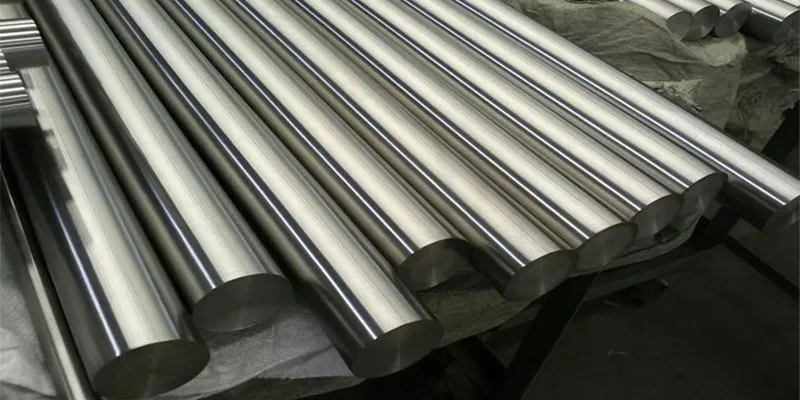
Its properties are primarily due to chemical composition and strict adherence to manufacturing standards like ASME B16.9 for butt-weld fittings.
UNS N07718 Chemical Composition
The outstanding mechanical and corrosion-resistant properties of UNS N07718 are directly attributable to its chemical formulation. The table below outlines the typical chemical composition of 718 alloy:
Table 1: Standard Chemical Composition of UNS N07718 (Weight %)
|
Element |
Content (%) |
Function |
|
Nickel (Ni) |
50.0 - 55.0 |
Forms the austenitic matrix, provides base corrosion resistance and high-temperature stability. |
|
Chromium (Cr) |
17.0 - 21.0 |
Confers resistance to oxidation and corrosion by forming a protective oxide layer. |
|
Iron (Fe) |
Balance |
Provides solid solution strengthening and helps control material cost. |
|
Niobium + Tantalum (Nb+Ta) |
4.75 - 5.50 |
Primary strengthening phase through the formation of γ″ (Ni₃Nb) precipitates. |
|
Molybdenum (Mo) |
2.80 - 3.30 |
Enhances strength and solid-solution hardening, improves resistance to creep. |
|
Titanium (Ti) |
0.65 - 1.15 |
Contributes to secondary strengthening via γ′ (Ni₃(Al,Ti)) precipitates. |
|
Aluminum (Al) |
0.20 - 0.80 |
Works with Ti to form the γ′ strengthening phase. |
|
Carbon (C) |
≤ 0.08 |
Kept at low levels to prevent the formation of harmful carbides. |
|
Manganese (Mn) |
≤ 0.35 |
Trace element, typically controlled to low levels. |
|
Silicon (Si) |
≤ 0.35 |
Trace element, typically controlled to low levels. |
|
Phosphorus (P) |
≤ 0.015 |
Impurity controlled to minimize detrimental effects on weldability and toughness. |
|
Sulfur (S) |
≤ 0.015 |
Impurity controlled to avoid hot cracking and protect hot workability. |
|
Boron (B) |
≤ 0.006 |
Added in trace amounts to enhance grain boundary strength. |
|
Copper (Cu) |
≤ 0.30 |
Residual element kept low to prevent adverse effects on hot workability. |
UNS N07718 Mechanical and Physical Properties
The chemical composition of 718 alloy translates into a set of robust mechanical and physical properties, suitable for demanding applications.
Typical Mechanical Properties of UNS N07718
|
Temperature |
Tensile Strength (MPa) |
Yield Strength (0.2% Offset, MPa) |
Elongation (%) |
|
Room Temperature |
1240 - 1350 |
1030 - 1170 |
20 - 45 |
|
650°C |
~1000 |
~870 |
~16 |
Physical Properties of UNS N07718
|
Property |
Value |
|
Density |
8.19 - 8.24 g/cm³ |
|
Melting Range |
1260 - 1336 °C |
|
Thermal Conductivity (at 20°C) |
11.4 W/m·K |
|
Magnetic Response |
Essentially non-magnetic |
The alloy retains a significant portion of its strength at elevated temperatures, with a service range up to 700°C. It also has excellent toughness at cryogenic temperatures.
ASME B16.9 Standard for Buttweld Fittings
ASME B16.9 is a standard established by the American Society of Mechanical Engineers that covers the dimensions, tolerances, pressure ratings, testing, and marking for factory-made wrought buttweld fittings in sizes from NPS 1/2 to NPS 48 (DN 15 to DN 1200).
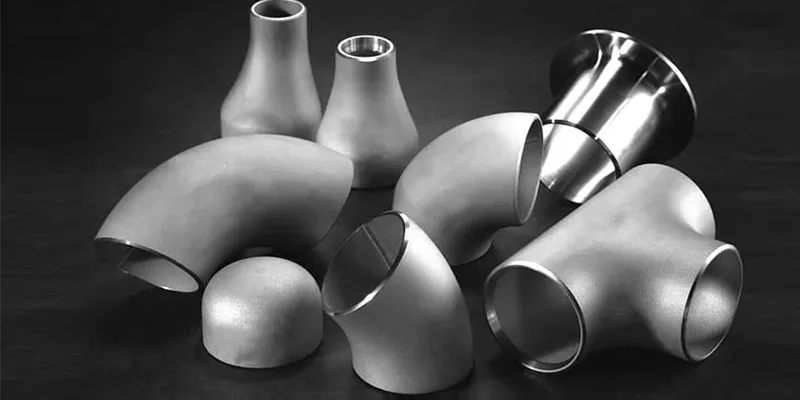
This standard ensures that pipe fittings from different manufacturers are interchangeable and fit together properly, guaranteeing the integrity and safety of the piping system. For UNS N07718 buttweld fittings, ASME B16.9 defines the precise geometry of all common fitting types.
UNS N07718 Butt Weld Fittings: Product Specifications
Butt weld fittings made from UNS N07718 are manufactured to standards such as ASTM B366 / ASME SB366. They are available in both seamless and welded forms, with seamless fittings typically covering sizes from 1/2" to 10", and welded fittings extending the range up to 48" or even 60".
Types of Butt Weld Fittings
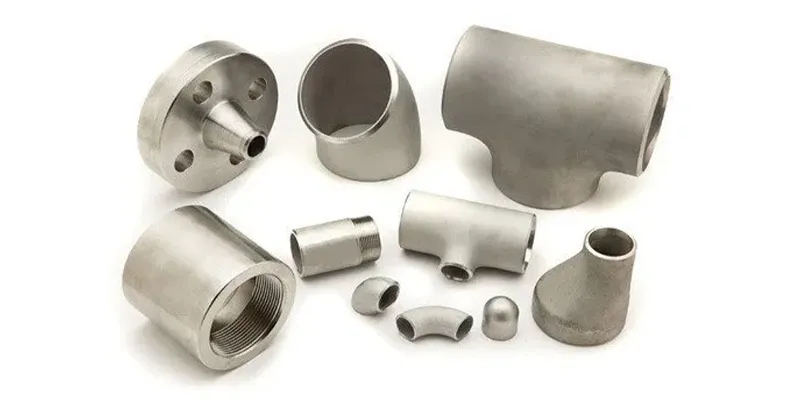
Manufacturers produce a comprehensive range of UNS N07718 buttweld fittings to suit various piping layout needs, including
Elbows: 90°, 45°, and 180° returns; available in Long Radius (LR) and Short Radius (SR) types.
Tees: Equal and Reducing Tees.
Reducers: Concentric and Eccentric Reducers.
Caps: For sealing the end of a pipe.
Stub Ends: Used with lap joint flanges.
Size and Wall Thickness
The dimensions of these fittings strictly adhere to ASME B16.9. The wall thickness, or schedule, is designated to match the pipe it connects to. Common schedules include:
SCH 5S, 10S, 20S
SCH 40S, 80S
STD, XS
SCH 160, XXS
Sample Dimensions for ASME B16.9 UNS N07718 Elbows
|
NPS |
Outside Diameter |
90° Long Radius Elbow Center-to-Face |
45° Long Radius Elbow Center-to-Face |
|
1/2 |
21.3 mm |
1.5 inch |
5/8 inch |
|
1 |
33.4 mm |
1.5 inch |
7/8 inch |
|
2 |
60.3 mm |
3 inch |
1 3/8 inch |
|
4 |
114.3 mm |
6 inch |
2 1/2 inch |
|
8 |
219.1 mm |
12 inch |
5 inch |
Applications of UNS N07718 Butt Weld Fittings
Aerospace & Jet Engines: Used in components like combustion chambers, turbine disks, and compressor blades where high tensile strength, fatigue strength, and oxidation resistance are paramount.
Oil & Gas: Ideal for wellhead equipment, valves, and hangers in sour service environments containing H₂S, especially the NACE MR0175 compliant grade.
Power Generation: Employed in nuclear reactors and related components due to their radiation resistance and high-temperature capability.
Chemical Processing: Suitable for equipment exposed to highly corrosive media and high temperatures.
Conclusion
UNS N07718 (INCONEL 718) is an alloy whose performance is guaranteed by a tightly controlled chemical composition and a precise heat treatment. Butt-welding fittings manufactured to ASME B16.9 and ASTM B564 standards provide designers and engineers with reliable, high-performance components for critical systems operating under extreme pressure, temperature, and corrosive conditions.