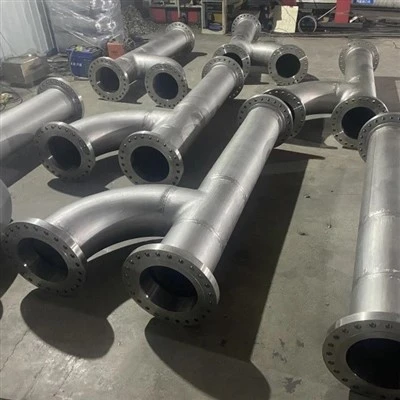
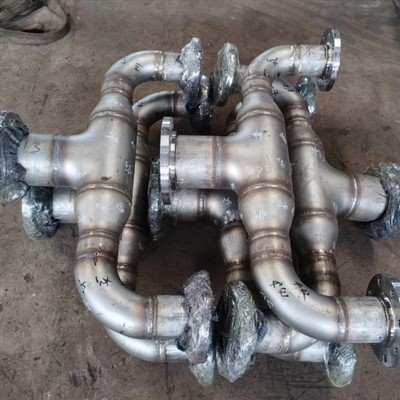
316L stainless steel is the industry-standard material for all product-contact surfaces in dairy processing, offering superior resistance to CIP chemicals, chlorides, and thermal cycling.
304 stainless steel is acceptable for non-product-contact surfaces and structural components but is not recommended for CIP-exposed piping or tank interiors.
3-A Sanitary Standards govern dairy equipment design in the US; ASME BPE, ASTM A270, and EHEDG guidelines apply to tubing and surface finish specifications.
Surface finish must achieve Ra ≤ 0.8 µm (32 µin) for dairy contact surfaces; electropolishing further reduces this to Ra ≤ 0.38 µm (15 µin).
Passivation per ASTM A967 is mandatory after fabrication to remove free iron and form a protective chromium oxide layer.
|
Metric |
Value / Specification |
Standard / Source |
|
Primary material (product contact) |
316L (UNS S31603) |
3-A Sanitary Standards |
|
Secondary material (non-contact) |
304 (UNS S30400) |
3-A Sanitary Standards |
|
Max surface roughness (dairy) |
Ra ≤ 0.8 µm (32 µin) |
3-A / FDA 21 CFR Part 117 |
|
Electropolished surface (premium) |
Ra ≤ 0.38 µm (15 µin) |
ASME BPE SF4 |
|
CIP caustic wash (NaOH) |
1–2% solution at 60–80°C |
Industry practice |
|
CIP acid rinse (HNO₃) |
0.5–1% solution at 60–65°C |
Industry practice |
|
CIP sanitizers |
Chlorine 100–200 ppm; PAA 50–200 ppm |
FDA / 3-A |
|
Passivation standard |
ASTM A967 (nitric or citric acid) |
ASTM International |
|
Sanitary tubing specification |
ASTM A270 (316L, low-sulfur) |
ASTM International |
|
Welding standard |
ASME BPE / 3-A 01-07 |
ASME / 3-A SSI |
|
Molybdenum content (316L) |
2.0–3.0% |
ASTM A240 |
|
Carbon content (316L) |
≤ 0.03% |
ASTM A240 |
Why Is Stainless Steel the Standard Material for Dairy Processing Equipment?
Stainless steel is the universal standard for dairy processing equipment because it is non-toxic, non-reactive, corrosion-resistant, and capable of achieving the ultra-smooth surfaces required for hygienic cleaning.
Dairy products are inherently corrosive. Milk contains water, proteins, fats, sugars (lactose), lactic acid (pH 4.6–6.7), and naturally occurring chlorides-typically 100–150 mg per liter. These chlorides, combined with the acidic nature of fermented dairy products, create a hostile environment for ordinary metals. Carbon steel rusts within hours of contact. Aluminum leaches ions. Copper catalyzes fat oxidation, causing rancidity. Only stainless steel provides the combination of properties required for safe, durable, and hygienic dairy processing.
The Four Critical Properties
|
Property |
Why It Matters for Dairy |
How Stainless Steel Delivers |
|
Corrosion Resistance |
Milk chlorides and CIP chemicals (caustic, acids, chlorine) attack ordinary metals |
Chromium oxide passive film self-heals in oxygenated environments; Mo in 316L resists chloride pitting |
|
Non-Toxic / Non-Reactive |
Material must not leach ions, impart flavor, or catalyze spoilage |
Austenitic SS is FDA-approved for food contact (21 CFR Part 117); does not react with milk proteins or fats |
|
Cleanability |
Bacteria biofilms form on rough surfaces within 24 hours |
Can be polished to Ra < 0.8 µm, eliminating microscopic crevices where bacteria hide |
|
Mechanical Strength |
Equipment must withstand 10 bar+ pressures, thermal cycling, and mechanical cleaning |
Austenitic SS retains strength at CIP temperatures (up to 90°C) and resists thermal fatigue |
The 3-A Sanitary Standards-the primary regulatory framework for dairy equipment in the United States-explicitly require that all product-contact surfaces be made of austenitic stainless steel (typically AISI 304 or 316/316L) or equivalent corrosion-resistant material. This is not a suggestion; it is a legal requirement for USDA-inspected dairy facilities.
What Stainless Steel Grades Are Used in Dairy Processing?
The two dominant grades are 304 and 316L. 316L is the standard for all product-contact surfaces (tanks, piping, valves), while 304 is reserved for non-contact structural components, support frames, and exterior cladding.
Chemical Composition Comparison
|
Element |
304 SS (%) |
316L SS (%) |
Significance |
|
Chromium (Cr) |
18.0–20.0 |
16.0–18.0 |
Forms passive oxide layer |
|
Nickel (Ni) |
8.0–10.5 |
10.0–14.0 |
Stabilizes austenitic structure |
|
Molybdenum (Mo) |
0 |
2.0–3.0 |
Key differentiator: resists chloride pitting |
|
Carbon (C) |
≤ 0.08 |
≤ 0.03 |
Low carbon ("L") prevents weld sensitization |
|
Manganese (Mn) |
≤ 2.0 |
≤ 2.0 |
Deoxidizer |
|
Silicon (Si) |
≤ 0.75 |
≤ 0.75 |
Deoxidizer |
|
Phosphorus (P) |
≤ 0.045 |
≤ 0.045 |
Impurity control |
|
Sulfur (S) |
≤ 0.030 |
≤ 0.030 |
Low sulfur for weldability |
Why 316L Contains Molybdenum
Molybdenum is the single most important alloying element that separates 316L from 304. It dramatically increases resistance to pitting corrosion (localized breakdown of the passive film) and crevice corrosion (attack in shielded areas like gasket joints and weld toes). The Pitting Resistance Equivalent Number (PREN) quantifies this:
|
Grade |
PREN Formula |
PREN Value |
Pitting Protection Level |
|
304 |
Cr + 3.3 × Mo |
~18–20 |
Low-suitable for mild environments only |
|
316L |
Cr + 3.3 × Mo |
~22–25 |
Moderate-suitable for chloride exposure up to ~200 ppm |
|
904L / 2205 |
Cr + 3.3 × Mo + 16 × N |
~34–35 |
High-for aggressive chloride environments |
Raw milk contains 100–150 mg/L of chlorides. CIP sanitizers can add another 100–200 ppm of active chlorine. At these levels, 304 stainless steel will eventually develop pitting corrosion-microscopic holes that compromise hygiene and structural integrity. 316L, with its 2–3% molybdenum, resists this attack for thousands of CIP cycles.
The "L" Designation: Why Low Carbon Matters
The "L" in 316L stands for "low carbon," meaning carbon content is capped at 0.03% (versus 0.08% in standard 316). This matters because when stainless steel is heated above 425°C during welding, carbon can react with chromium to form chromium carbide precipitates at the grain boundaries.
This process, called "sensitization," depletes the surrounding area of chromium, creating a corrosion-prone "chromium-depleted zone." Sensitized welds can fail within months of CIP exposure.
316L's low carbon content prevents sensitization entirely, ensuring that welds maintain full corrosion resistance. This is critical in dairy processing, where miles of welded piping are standard and every weld is a potential failure point.
How Do CIP Systems Affect Stainless Steel Material Selection?
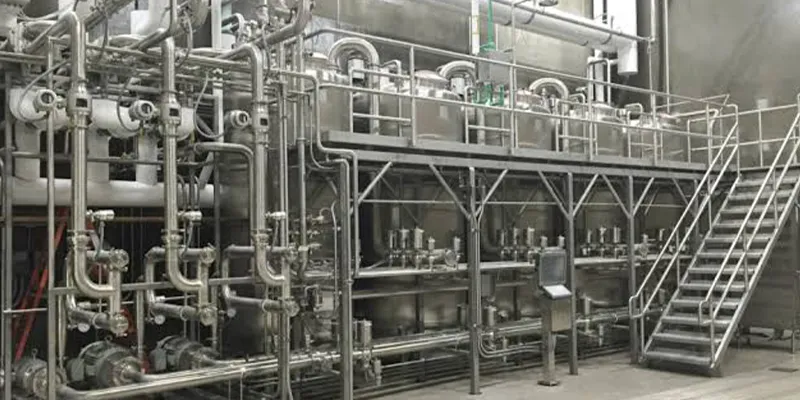
CIP (Clean-in-Place) systems subject stainless steel to aggressive chemical cleaning at elevated temperatures. 316L is mandatory for all CIP-exposed surfaces because 304 will develop pitting corrosion after repeated exposure to caustic, acid, and chlorine sanitizers.
The Standard CIP Cycle
A typical dairy CIP cycle consists of five stages, each with specific chemical and thermal demands on the stainless steel surface:
|
Step |
Process |
Chemical & Temperature |
Corrosion Risk |
|
1 |
Pre-rinse |
Water at 35–40°C |
Low-removes loose soil |
|
2 |
Caustic wash |
1–2% NaOH at 70–80°C, 10–15 min |
Moderate-alkaline stress on passive film |
|
3 |
Intermediate rinse |
Water at 40–50°C |
Low-dilutes caustic residue |
|
4 |
Acid rinse |
0.5–1% HNO₃ or H₃PO₄ at 60–65°C, 5–10 min |
Moderate-acidic attack on grain boundaries |
|
5 |
Sanitizer / disinfectant |
Chlorine 100–200 ppm or PAA 50–200 ppm at 20–40°C |
High-chloride pitting risk for 304 |
Why 304 Fails in CIP Environments
A documented case from a dairy plant in Southeast Asia illustrates the risk: the facility installed 304 stainless steel piping for their CIP recirculation loop. Within 18 months, chlorine-based sanitizers caused pinhole leaks throughout the system. The total cost of replacement, including lost production time, exceeded USD 300,000.
The failure mechanism is straightforward:
- Chlorine sanitizers contain chloride ions (Cl⁻), which are chemically aggressive toward stainless steel.
- Chloride ions penetrate the chromium oxide passive film at microscopic defects, creating localized anodic sites.
- Once the passive film is breached, the underlying metal dissolves rapidly, forming a pit.
- Pits grow under the surface, eventually perforating the pipe wall and causing leaks.
- The process accelerates with temperature-CIP operates at 60–80°C, well above the threshold where chloride attack intensifies.
316L Performance in CIP Systems
316L resists CIP chemicals through two mechanisms:
- Molybdenum (2–3%) increases the stability of the passive film, making it harder for chloride ions to penetrate. 316L can withstand chlorine concentrations up to ~200 ppm at ambient temperature, and moderate concentrations even at elevated CIP temperatures.
- Low carbon (≤ 0.03%) prevents sensitization during welding. Every CIP pipe system has hundreds of welds; if standard 316 were used, sensitized welds would corrode preferentially. 316L eliminates this risk entirely.
- Industry testing confirms that 316L can endure thousands of CIP cycles-typically 3,000–5,000 over a 10–15 year service life-without measurable wall thinning or pitting, provided that chlorine concentrations are kept within recommended limits (below 200 ppm) and contact time is controlled.
What Are the Surface Finish Requirements for Dairy Equipment?
Dairy product-contact surfaces must achieve a surface roughness of Ra ≤ 0.8 µm (32 µin). For premium applications, electropolishing reduces this to Ra ≤ 0.38 µm (15 µin), creating a surface so smooth that bacteria cannot attach effectively.
Why Surface Finish Matters for Hygiene
Bacteria do not attach to perfectly smooth surfaces. They colonize microscopic crevices, valleys, and scratches where they are protected from shear forces during cleaning. Research shows that surfaces with Ra > 0.8 µm can harbor bacterial biofilms that survive standard CIP cleaning. Below 0.8 µm, biofilm formation is dramatically reduced; below 0.4 µm, it becomes negligible.

Surface Finish Standards and Classifications
|
Surface Finish Type |
Ra Value (µm) |
Ra Value (µin) |
ASME BPE Designator |
Typical Dairy Application |
|
Mill finish (as-drawn) |
0.8–1.2 |
32–48 |
N/A |
Not acceptable for product contact |
|
Mechanical polish (standard) |
≤ 0.8 |
≤ 32 |
SF1 (PL) |
Tanks, piping-minimum acceptable |
|
Mechanical polish (fine) |
≤ 0.51 |
≤ 20 |
SF1 |
Premium dairy piping |
|
Electropolished |
≤ 0.38 |
≤ 15 |
SF4 (PM) |
High-hygiene zones, CIP return lines |
|
Electropolished (ultra) |
≤ 0.2 |
≤ 8 |
SFEP4 |
Pharma-grade dairy / aseptic processing |
Electropolishing: The Premium Surface Treatment
Electropolishing is an electrochemical process that removes a thin layer (20–40 µm) of metal from the surface, preferentially dissolving peaks and leaving a mirror-like finish. Unlike mechanical polishing, which smears metal over valleys (creating microscopic traps), electropolishing removes material uniformly, creating a truly smooth surface.
Benefits of electropolishing for dairy equipment:
- Reduces surface area by up to 30%, decreasing bacterial adhesion sites
- Creates a thicker, more uniform chromium oxide passive layer (up to 2–3 nm vs. 1–1.5 nm for mechanically polished surfaces)
- Removes embedded iron particles from mechanical polishing, eliminating free-iron contamination
- Improves cleanability-CIP chemicals contact the entire surface without "shadow zones" in microscopic valleys
- Extends CIP cycle effectiveness by 15–25% compared to mechanically polished surfaces of the same Ra value
What Are the Design Requirements for Dairy Storage Tanks?
Dairy storage tanks must comply with 3-A Sanitary Standard 01-07 (general) and specific equipment standards (e.g., 3-A 31-03 for storage tanks). Key requirements include 316L construction, interior Ra ≤ 0.8 µm, fully drainable design, CIP-compatible geometry, and sanitary welds.
|
Requirement |
Specification |
Rationale |
|
Material |
316L for all product-contact surfaces |
Corrosion resistance to milk chlorides and CIP chemicals |
|
Surface finish (interior) |
Ra ≤ 0.8 µm; electropolish preferred |
Prevents bacterial adhesion and biofilm formation |
|
Surface finish (exterior) |
Ra ≤ 1.2 µm (mechanical polish acceptable) |
Cleanability; 304 acceptable for non-contact |
|
Drainability |
Bottom sloped ≥ 3% toward drain; no dead legs |
Complete self-draining prevents product holdup and contamination |
|
Weld quality |
Full-penetration, smooth, flush welds; no crevices |
Eliminates bacteria-trapping gaps; ASME BPE compliant |
|
Nozzles & fittings |
Sanitary tri-clamp; ASME BPE or 3-A compliant |
Standardized connections prevent contamination |
|
Agitation (if applicable) |
Bottom-entry or top-entry with sanitary seal |
Prevents product separation; seal must be CIP-cleanable |
|
Jacketing (if applicable) |
304 acceptable for jacket (non-contact) |
Cost optimization; jacket does not contact product |
|
Inspection access |
Manway ≥ 400 mm with sanitary cover |
Allows visual inspection and manual cleaning access |
|
CIP integration |
Spray balls or cleaning jets installed |
Enables automated cleaning without disassembly |
Tank Types and Material Selection
|
Tank Type |
Typical Volume |
Recommended Material |
Special Requirements |
|
Raw milk reception tank |
5,000–50,000 L |
316L (interior) |
Cooling jacket; insulation; agitator |
|
Process / buffer tank |
1,000–10,000 L |
316L (interior) |
CIP spray balls; level probes |
|
Silo tank (outdoor) |
50,000–300,000 L |
316L (interior) + 304 (exterior) |
Insulated; refrigerated; roof access |
|
Mixing / blending tank |
500–5,000 L |
316L (interior) |
High-shear agitator; CIP compatible |
|
CIP solution tank |
500–5,000 L |
316L (interior) |
Chemical-resistant; heating element |
|
Aseptic storage tank |
1,000–20,000 L |
316L (electropolished) |
Sterile air filter; pressure-rated; SIP capable |
Critical Design Detail: Eliminating Dead Legs
A "dead leg" is any section of piping or tank geometry where product or cleaning solution can stagnate. 3-A standards limit dead legs to no more than 2 pipe diameters in length. Dead legs are breeding grounds for bacteria because CIP cleaning solution cannot effectively reach these stagnant zones. Every dead leg in a dairy system is a potential contamination point that can cause product spoilage, failed microbiological tests, and regulatory non-compliance.
What Tubing Standards Apply to Dairy Processing Systems?
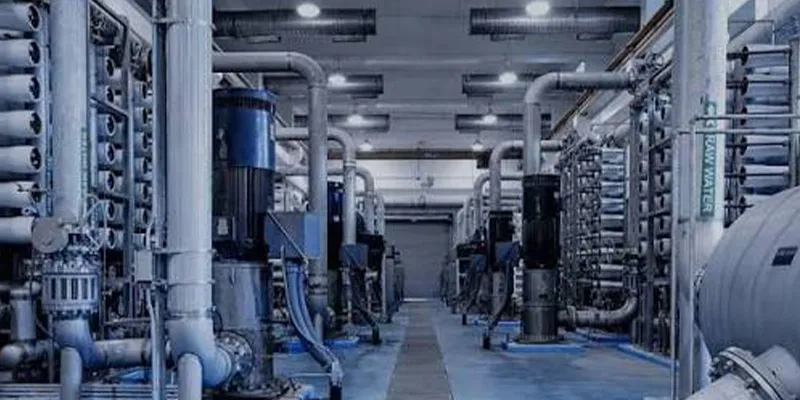
Dairy tubing must comply with ASTM A270 (seamless and welded austenitic stainless steel sanitary tubing), with 316L grade material, low sulfur content (≤ 0.017%), and internal surface finish meeting 3-A or ASME BPE requirements.
Key Tubing Specifications
|
Parameter |
Specification |
Standard |
|
Material grade |
316L (UNS S31603) |
ASTM A270 / A240 |
|
Manufacturing method |
Seamless or welded, re-drawn |
ASTM A270 |
|
Sulfur content |
≤ 0.017% (ideally 0.005–017%) |
ASTM A270 (low sulfur for weldability) |
|
Internal surface finish |
Ra ≤ 0.8 µm (min); ≤ 0.38 µm (electropolished) |
ASME BPE SF1 / SF4 |
|
External surface finish |
Ra ≤ 1.2 µm (mechanical polish) |
ASME BPE |
|
Dimensions |
OD per ASME BPE or DIN 11850 |
ASME BPE / DIN 11850 |
|
Wall tolerance |
± 0.08 mm (typical) |
ASTM A270 |
|
Straightness |
≤ 1 mm per meter |
ASTM A270 |
|
Tube ends |
Square cut, deburred |
Industry standard |
Sanitary Tubing Size Standards
Dairy processing uses two main dimensional standards for sanitary tubing:
|
Standard |
Region |
Common Sizes (OD) |
Typical Application |
|
ASME BPE |
North America / Pharma |
1/2" to 6" (12.7–152.4 mm) |
High-purity dairy, aseptic processing |
|
DIN 11850 |
Europe / Global |
DN 10 to DN 150 (10–154 mm) |
Standard dairy processing worldwide |
|
3-A |
United States / Dairy |
1" to 4" (25.4–101.6 mm) |
Traditional dairy plants |
|
ISO 1127 |
International |
6–159 mm OD |
Export equipment compatibility |
Welding Requirements for Dairy Tubing
All tubing connections in dairy processing must be welded using automatic orbital TIG (Tungsten Inert Gas) welding. This ensures:
- Consistent, repeatable weld quality without operator variation
- Full penetration welds with smooth, flush internal bead (no crevices)
- Computer-controlled weld parameters (current, travel speed, arc gap) documented for traceability
- Purge gas (argon) protection on the internal surface to prevent oxidation during welding
- Post-weld inspection via borescope to verify internal surface integrity
- Manual welding is not acceptable for product-contact tubing in dairy applications. Any manual welds must be ground smooth and re-passivated per ASTM A967.
How Does Passivation Improve Dairy Equipment Performance?
Passivation per ASTM A967 removes free iron and contaminants from the stainless steel surface, creating a uniform chromium oxide passive layer that provides corrosion resistance. It is mandatory after all fabrication, welding, and mechanical polishing operations.

What Is Passivation?
Stainless steel derives its corrosion resistance from a thin (1–3 nm) invisible layer of chromium oxide (Cr₂O₃) that forms spontaneously when the metal is exposed to oxygen. This layer is "self-healing"-if scratched, it reforms in the presence of air or water. However, during fabrication (cutting, grinding, welding, polishing), free iron particles and other contaminants become embedded in the surface. These iron particles rust and create sites for localized corrosion.
Passivation is a chemical treatment that dissolves free iron and enhances the chromium oxide layer. It is defined by ASTM A967, which specifies several treatment methods:
|
Method |
Chemical |
Temperature |
Duration |
Application |
|
Nitric 1 |
20% HNO₃ |
Room temp – 50°C |
20–60 min |
Standard for 316L dairy equipment |
|
Nitric 2 |
25% HNO₃ + 2.5% Na₂Cr₂O₇ |
Room temp – 50°C |
15–30 min |
Enhanced passivation for welded assemblies |
|
Nitric 3 |
20% HNO₃ + 3% HF |
Room temp |
5–10 min |
Removes scale; pre-passivation treatment |
|
Citric 1 |
4–10% citric acid |
Room temp – 60°C |
30–90 min |
Environmentally friendly alternative; gaining acceptance |
Why Passivation Is Non-Negotiable in Dairy Processing
Unpassivated stainless steel in a dairy environment is a ticking time bomb. Here is why:
- Free iron on the surface oxidizes (rusts) in the presence of milk moisture, creating iron oxide particles that contaminate product and create pitting sites.
- Weld heat tint (the blue/brown discoloration on welds) indicates a chromium-depleted zone that is 100–1,000 times less corrosion-resistant than the base metal. Passivation dissolves this layer and restores chromium concentration.
- Mechanical polishing embeds abrasive particles (aluminum oxide, silicon carbide) in the surface. Passivation removes these contaminants.
- Without passivation, the surface roughness effectively increases over time as corrosion pits form, making the surface progressively harder to clean and more prone to bacterial adhesion.
Verification Testing
After passivation, the effectiveness must be verified. ASTM A967 specifies several acceptance tests:
|
Test |
Method |
Pass Criterion |
Frequency |
|
Water immersion test |
Immerse in deionized water for 24 hours |
No rust spots or staining |
Each batch |
|
Copper sulfate test |
Apply CuSO₄ solution to surface |
No copper deposit (no free iron) |
Spot check |
|
Ferroxyl test |
Apply potassium ferricyanide indicator |
No blue color (no free iron) |
Critical welds |
|
Salt spray test |
ASTM B117 salt spray chamber, 2–4 hours |
No corrosion |
Sample coupons |
What Regulatory Standards Govern Stainless Steel in Dairy Processing?
Four major regulatory frameworks govern stainless steel use in dairy processing: 3-A Sanitary Standards (US), FDA 21 CFR Part 117 (US food safety), EHEDG guidelines (Europe), and ASME BPE (bioprocessing equipment). Compliance with 3-A is mandatory for USDA-inspected dairy facilities.
Regulatory Framework Comparison
|
Standard |
Jurisdiction |
Scope |
Key Requirements for SS |
|
3-A Sanitary Standards |
United States |
Dairy equipment design, materials, fabrication |
304 or 316L for contact surfaces; Ra ≤ 0.8 µm; drainable design; no dead legs |
|
FDA 21 CFR Part 117 |
United States |
Food safety; Current Good Manufacturing Practice (CGMP) |
Materials must be non-toxic, non-reactive, non-absorptive; no lead, cadmium, or harmful metals |
|
EHEDG Guidelines |
Europe (voluntary, globally recognized) |
Hygienic equipment design for food |
Similar to 3-A; emphasizes cleanability and hygienic design principles |
|
ASME BPE |
Global (pharma/biotech origin) |
Bioprocessing equipment including piping |
316L; SF1–SFEP4 surface finishes; orbital welding; material certification |
|
ASTM A270 |
Global |
Sanitary tubing specification |
316L; low sulfur; dimensional tolerances; surface finish requirements |
|
ASTM A967 |
Global |
Chemical passivation treatments |
Removes free iron; forms chromium oxide layer; verification testing |
|
USDA Dairy Guidelines |
United States |
Sanitary design and fabrication of dairy equipment |
References 3-A standards; requires compliance for USDA acceptance |
|
EU 1935/2004 |
European Union |
Food contact materials regulation |
Materials must not transfer constituents to food; traceability required |
3-A Sanitary Standards: The Dairy Industry Benchmark
3-A Sanitary Standards Incorporated (3-A SSI) is a cooperative effort between three stakeholder groups:
- International Association for Food Protection (IAFP) - representing public health professionals
- Sanitary Equipment Design Committee of the USDA - representing regulators
- Dairy and food equipment manufacturers - representing industry
- 3-A standards cover virtually every piece of dairy equipment: storage tanks (3-A 31-03), centrifugal pumps (3-A 02-10), valves (3-A 64-00), and tubing (3-A 01-07). Equipment bearing the 3-A symbol has been verified to meet these standards by an independent third-party inspector.
How Do 304 and 316L Compare in Real-World Dairy Applications?
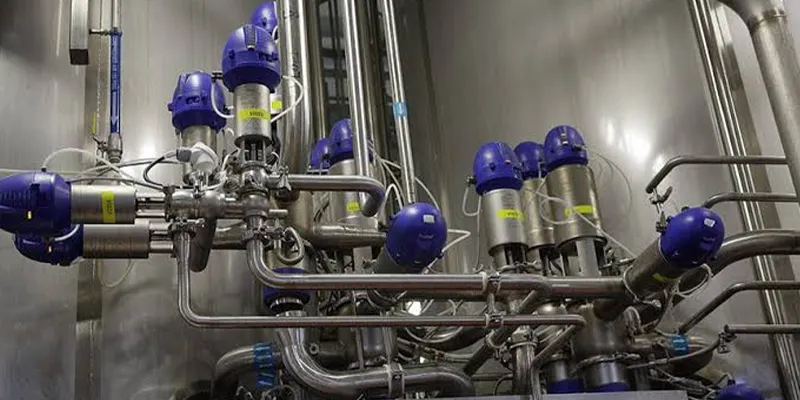
In real-world dairy processing, 316L outperforms 304 by a wide margin in all product-contact applications. The cost premium of 316L (20–40% higher than 304) is recovered within 2–3 years through avoided maintenance, reduced replacement costs, and eliminated contamination incidents.
Total Cost of Ownership Comparison
|
Factor |
304 SS |
316L SS |
Impact |
|
Initial material cost |
Baseline (100%) |
120–140% |
316L costs 20–40% more upfront |
|
Expected service life (CIP exposure) |
3–5 years before pitting |
10–15 years |
316L lasts 3–4x longer |
|
Replacement frequency |
Every 3–5 years |
Every 10–15 years |
316L requires 2–3x fewer replacements |
|
Maintenance cost (annual) |
High (weld repair, patching) |
Low (inspection only) |
316L reduces maintenance by 70–80% |
|
Contamination risk |
Elevated (pitting creates bacteria harbors) |
Minimal |
316L protects product quality |
|
CIP chemical tolerance |
Moderate (chlorine < 50 ppm) |
High (chlorine up to 200 ppm) |
316L allows stronger sanitizing |
|
10-year TCO |
~250% of initial cost |
~140% of initial cost |
316L saves 40–50% over 10 years |
Decision Matrix: When to Use 304 vs 316L
|
Application |
Recommended Grade |
Reasoning |
|
Product-contact piping (milk, cream, whey) |
316L |
Chloride exposure from milk + CIP chemicals |
|
CIP supply/return piping |
316L |
Direct exposure to caustic, acid, and chlorine sanitizers |
|
Tank interior (product contact) |
316L |
Same as above; product + CIP exposure |
|
Tank exterior (non-contact) |
304 |
No product contact; splash cleaning only |
|
Support frames & legs |
304 |
Structural only; no chemical exposure |
|
Cable trays & walkways |
304 |
Non-contact structural application |
|
Jacketing (heating/cooling) |
304 |
Contains water/glycol, not product |
|
Valve bodies (product contact) |
316L |
Direct product + CIP chemical contact |
|
Spray balls (CIP) |
316L |
Constant chemical exposure at temperature |
|
Gaskets & seals |
EPDM / PTFE |
Non-metallic; chosen for chemical compatibility |
Frequently Asked Questions
Can 304 stainless steel be used for dairy CIP piping?
No. 304 stainless steel is not recommended for CIP piping because CIP sanitizers contain chlorine (100–200 ppm), which causes pitting corrosion in 304. While 304 may survive short-term use, it will develop pinhole leaks within 1–3 years depending on chlorine concentration and temperature. 316L is the minimum acceptable grade for all CIP-exposed surfaces.
What is the minimum surface finish (Ra) for dairy product-contact surfaces?
The minimum acceptable surface roughness for dairy product-contact surfaces is Ra ≤ 0.8 µm (32 µin), as specified by 3-A Sanitary Standards. For applications requiring higher hygiene levels (e.g., aseptic processing), electropolished surfaces achieving Ra ≤ 0.38 µm (15 µin) per ASME BPE SF4 are recommended.
How often should dairy stainless steel equipment be passivated?
Passivation should be performed once after initial fabrication and installation (per ASTM A967). Subsequent re-passivation may be needed after significant repairs, modifications, or if surface degradation is detected during inspection-typically every 3–5 years for high-use equipment. Annual inspection should verify the integrity of the passive layer using ferroxyl or copper sulfate tests.
What temperature can 316L stainless steel withstand in dairy processing?
316L stainless steel maintains its mechanical properties and corrosion resistance at temperatures up to approximately 870°C (1,600°F) for intermittent service and 925°C (1,700°F) for continuous service. In dairy processing, the relevant range is much narrower: CIP operates at 60–80°C, hot water sanitizing at 82–85°C, and steam sterilization (SIP) at 121°C+. 316L performs excellently across all these conditions.
Is electropolishing required for dairy equipment?
Electropolishing is not strictly required by 3-A standards but is strongly recommended. Standard mechanical polishing to Ra ≤ 0.8 µm meets the minimum requirement. However, electropolishing provides additional benefits: it removes embedded iron, creates a thicker passive layer, reduces bacterial adhesion by up to 30%, and improves CIP effectiveness. For new equipment procurement, electropolished surfaces should be specified for all high-hygiene zones.
What is the difference between 3-A and ASME BPE standards?
3-A Sanitary Standards are specific to dairy and food processing equipment, focusing on sanitary design, materials, and cleanability. ASME BPE (Bioprocessing Equipment) originated in the pharmaceutical/biotech industry and covers piping, tubing, and fittings with more stringent surface finish and welding requirements. For dairy processing, 3-A is the primary standard; ASME BPE is used for premium applications and equipment that also serves pharmaceutical clients.
How long does 316L stainless steel last in a dairy processing environment?
With proper maintenance, passivation, and adherence to CIP chemical limits, 316L stainless steel equipment typically lasts 15–20 years in dairy processing environments. Key factors affecting longevity include: chlorine concentration in CIP sanitizers (keep below 200 ppm), frequency of thermal cycling, quality of original welding, regularity of passivation maintenance, and water quality (hard water can cause scale buildup that traps bacteria).