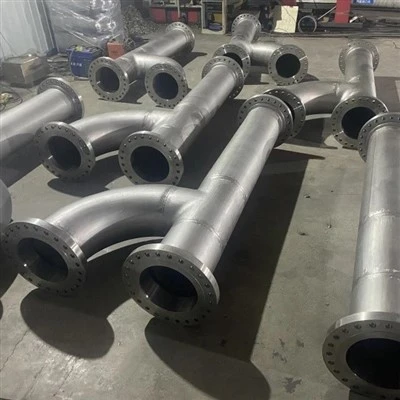
Stainless steel is the dominant construction material in pharmaceutical manufacturing - chosen not only for its strength and durability, but for its unique ability to meet the strict hygiene, inertness, and cleanability requirements demanded by global regulatory authorities including the U.S. Food and Drug Administration (FDA), the European Medicines Agency (EMA), and health authorities worldwide.
Yet not all stainless steel is equal in pharmaceutical service. Selecting the wrong grade, specifying an inadequate surface finish, or failing to meet passivation and welding standards can lead to product contamination, failed regulatory inspections, costly system shutdowns, and ultimately harm to patients.

This guide is written for pharmaceutical engineers, procurement professionals, quality assurance specialists, regulatory affairs managers - and anyone entering the life sciences industry - who needs a clear, data-driven reference for stainless steel compliance in pharmaceutical applications. Every section is grounded in current Good Manufacturing Practice (cGMP) requirements and references applicable industry standards.
Why Stainless Steel Dominates Pharmaceutical Manufacturing
The pharmaceutical industry operates under the principle that manufacturing equipment must not alter, contaminate, or absorb the product it contacts. This demands materials with a unique combination of properties that stainless steel - particularly austenitic grades - delivers better than any other commercially available structural material at scale.
Corrosion Resistance: A self-repairing passive chromium oxide layer (Cr2O3, ~2–5 nm thick) shields the metal from chemical attack by pharmaceutical solvents, cleaning agents, and sterilization media.
Surface Cleanability: Electropolished stainless surfaces achieve Ra values as low as 0.1–0.25 µm - smooth enough to prevent bacterial adhesion and biofilm formation, which are invisible threats to drug quality.
Inertness / Non-Extractability: 316L stainless does not leach ions or organic compounds into drug products at detectable levels under normal pharmaceutical process conditions - critical for compliance with USP <661> and ICH guidelines.
Weldability: Low-carbon grades (304L, 316L) can be orbital-welded to produce smooth, crevice-free, fully inspectable joints - a cornerstone of cGMP system design.
Sterilization Compatibility: 316L withstands repeated steam sterilization (SIP) at 121–135°C, H2O2 vapor-phase sterilization (VHP), and chemical disinfection - required for aseptic manufacturing environments.
Key Regulatory Principle: FDA 21 CFR 211.65 requires that equipment surfaces that contact components, in-process materials, or drug products must be smooth, non-reactive, non-additive, non-absorptive, and cleanable. 316L stainless steel - properly finished, passivated, and welded - is the global standard for meeting this requirement.
Stainless Steel Grades Used in Pharmaceutical Applications
The pharmaceutical industry uses a focused subset of stainless steel grades, each selected for specific performance characteristics. The table below provides a comprehensive overview of grades, composition, and application scope:
|
Grade (UNS) |
Cr (%) |
Ni (%) |
Mo (%) |
Surface Ra (µm) |
Pharma Use Cases |
|
304 / 304L (S30400/S30403) |
18–20 |
8–12 |
- |
≤0.8 |
Non-product-contact structures, secondary tanks, platforms |
|
316 / 316L (S31600/S31603) |
16–18 |
10–14 |
2–3 |
≤0.5 |
API reactors, WFI tanks, CIP/SIP piping, vessels |
|
316Ti (S31635) |
16–18 |
10–14 |
2–3 |
≤0.5 |
High-temp pharmaceutical process piping, heat exchangers |
|
317L (S31703) |
18–20 |
11–15 |
3–4 |
≤0.5 |
Aggressive cleaning agents, acid-heavy formulation vessels |
|
904L (N08904) |
19–23 |
23–28 |
4–5 |
≤0.4 |
High-chloride environments, phosphoric acid service |
|
Duplex 2205 (S31803) |
21–23 |
4.5–6.5 |
2.5–3.5 |
≤0.8 |
Structural supports, high-pressure vessels in biotech |
|
6Mo / 254 SMO (S31254) |
19.5–20.5 |
17.5–18.5 |
6–6.5 |
≤0.4 |
Chlorinated water systems, seawater cooling, CIP aggressive |
Table 1: Stainless Steel Grades Commonly Used in Pharmaceutical Manufacturing (Composition data: ASTM A240 / EN 10088)

Grade 316L - The Pharmaceutical Standard
Grade 316L (UNS S31603) is the undisputed workhorse of pharmaceutical manufacturing. Its 2–3% molybdenum content significantly enhances resistance to pitting and crevice corrosion compared to 304L - a critical advantage in environments where chloride-containing cleaning agents, sodium chloride buffers, and saline solutions are routinely used.
The 'L' designation (Low Carbon, ≤0.03% C) is non-negotiable for pharmaceutical systems. It prevents the formation of chromium carbides at grain boundaries during welding - a phenomenon called sensitization - which would create corrosion-vulnerable zones at every weld heat-affected zone (HAZ) in the system. In a pharmaceutical plant with thousands of weld joints, sensitization without 'L' grade specification would be catastrophic for long-term system integrity.
Grade 304L - Secondary Structures
Grade 304L is appropriate for non-product-contact applications such as structural frames, platforms, cleanroom panels, and utility equipment housings. Its lower molybdenum content makes it unsuitable for direct drug product contact in chloride environments, but it remains a cost-effective choice for peripheral pharmaceutical infrastructure.
Higher-Alloyed Grades - When 316L Is Not Enough
In certain pharmaceutical environments - particularly those involving high-chloride process water for cooling, aggressive acid cleaning agents, or marine-located facilities - higher-alloyed grades provide the additional corrosion margin required:
317L adds 1% additional molybdenum over 316L, improving resistance to sulfuric and phosphoric acid environments common in API synthesis.
904L offers a copper addition that provides exceptional resistance to sulfuric acid - used in vitamin, amino acid, and specialty chemical pharmaceutical production.
6Mo (254 SMO) with 6% molybdenum and a PREN >40, is specified where seawater or high-chloride process water is used for cooling - common in coastal pharmaceutical facilities.
Regulatory Framework: What the Rules Actually Require
Understanding the regulatory landscape is essential for any professional responsible for pharmaceutical equipment specification. The following table maps the key standards and guidelines to their specific requirements for stainless steel selection and use:
|
Standard / Guideline |
Issuing Authority |
Relevance to Stainless Steel in Pharma |
|
21 CFR Parts 210 & 211 |
FDA (USA) |
Current GMP for drug manufacturing: equipment must be inert, non-reactive, cleanable, non-additive to product |
|
EudraLex Vol. 4 (EU GMP) |
European Commission |
EU GMP: contact surfaces must be smooth, non-porous, non-reactive; specifies surface finish requirements |
|
ASME BPE-2022 |
ASME (USA) |
Bioprocessing Equipment: defines dimensions, tolerances, surface finish (Ra/Rz/Rq), weld quality, and material grades |
|
ISO 14159 |
ISO |
Hygiene requirements for design of machinery; food and pharma equipment cleanability criteria |
|
3-A Sanitary Standards |
3-A SSI (USA) |
Sanitary design for dairy/pharma; surface finish Ra ≤ 0.8 µm for product contact; Ra ≤ 3.2 µm for non-contact |
|
EHEDG Guidelines |
EHEDG (Europe) |
European Hygienic Engineering & Design Group: cleanability, material compatibility, surface finish for pharma/food |
|
USP <661> & <1661> |
USP (USA) |
Plastics & extractables: material must not leach substances into drug product at levels affecting safety or quality |
|
ICH Q9 / Q10 |
ICH |
Quality Risk Management and Pharmaceutical Quality Systems: risk-based approach to material selection and GMP |
|
ISPE Baseline Guides |
ISPE |
Pharmaceutical engineering best practices including water systems, bulk solids, sterile manufacturing |
Table 2: Regulatory Standards and Guidelines Governing Stainless Steel in Pharmaceutical Manufacturing
The FDA's Core Requirement (21 CFR 211.65)
The FDA's Current Good Manufacturing Practice (cGMP) regulation at 21 CFR 211.65 establishes the foundational requirement for all equipment in drug manufacturing. It states that equipment surfaces that contact components, in-process materials, or drug products shall not be reactive, additive, or absorptive so as to alter the safety, identity, strength, quality, or purity of the drug product. This single sentence drives the entire pharmaceutical stainless steel specification landscape.
ASME BPE: The Engineer's Specification Standard
The ASME Bioprocessing Equipment (BPE) standard is the most detailed technical reference for pharmaceutical and bioprocessing equipment design. Updated regularly (current edition: 2022), it specifies:
Surface finish classifications (SF1 through SF6) with defined Ra, Rz, and Rq parameters
Weld quality requirements for orbital and manual GTAW welding
Material grade qualifications and chemical composition requirements
Dimensional tolerances for hygienic tube, fittings, and clamp connections
Electropolishing and passivation requirements and verification methods
Industry Note: ASME BPE compliance is not legally mandated by the FDA, but it is the de facto industry standard. FDA inspectors expect to see BPE-compliant designs for product-contact systems in new facilities, and deviations require documented risk justification.
EU GMP Annex 1 (2022 Revision) - Aseptic Manufacturing
The 2022 revision of EU GMP Annex 1, 'Manufacture of Sterile Medicinal Products,' introduced significantly strengthened requirements for material qualification in aseptic manufacturing. Key requirements now include a formal Contamination Control Strategy (CCS), full surface characterization documentation for all product-contact surfaces, mandatory electropolishing for aseptic fill-and-finish equipment, and enhanced biofilm risk assessment for water system materials.
Surface Finish: The Most Critical Specification
In pharmaceutical stainless steel, surface finish is arguably the single most important specification. A surface that is too rough traps microorganisms, product residues, and cleaning agents - creating contamination risks that no cleaning cycle can fully eliminate. Surface finish is quantified by Ra (arithmetic mean roughness, in micrometers), where a lower Ra value means a smoother surface.
|
Application |
Ra Max (µm) |
Finish Method |
Standard Reference |
Notes |
|
Product-contact surfaces (oral solid dose) |
0.8 |
Mechanical polish (120–180 grit) |
3-A SSI; EU GMP |
Minimum for cGMP compliance; no pitting permitted |
|
Product-contact (sterile/injectable) |
0.5 |
Mechanical + electropolish |
ASME BPE SF1–SF3 |
Electropolish preferred; removes surface iron, smooths micro-peaks |
|
WFI (Water for Injection) piping |
0.25–0.38 |
Electropolish (EP) |
ASME BPE SF4; Ph. Eur. |
EP mandatory for WFI per most GMP interpretations; slope ≥1% required |
|
Purified Water (PW) piping |
0.5–0.8 |
Mechanical or EP |
ASME BPE SF2; USP <1231> |
EP strongly recommended; passivation required post-weld |
|
CIP/SIP vessel interiors |
0.5 |
Mechanical + EP |
ASME BPE; EU GMP Annex 1 |
Must withstand 121°C steam; no crevices or dead legs |
|
Non-product-contact (external surfaces) |
3.2 |
Mechanical finish / 2B mill |
3-A SSI |
Cleanable by standard wiping; no rust-trapping surfaces |
|
Aseptic fill & finish equipment |
0.25 |
Electropolish |
ASME BPE SF4; Annex 1 (2022) |
2022 EU Annex 1 mandates full surface characterization |
Table 3: Surface Finish Requirements by Pharmaceutical Application (ASME BPE / EU GMP / 3-A SSI)
Mechanical Polishing vs. Electropolishing
Mechanical polishing (using abrasive belts, discs, or buffing compounds) removes surface material progressively, achieving Ra values down to approximately 0.4–0.8 µm for pharmaceutical service. It is adequate for many product-contact applications but leaves micro-directional scratches that can harbor contamination.
Electropolishing (EP) is an electrochemical process - the component is immersed in a phosphoric/sulfuric acid bath and electrical current preferentially dissolves surface micro-peaks, leaving a smooth, rounded topography. EP achieves Ra ≤ 0.25 µm, simultaneously removes surface iron contamination (improving the chromium-to-iron ratio at the surface), and enhances the passivity of the oxide layer - producing a demonstrably cleaner surface for pharmaceutical service.
Best Practice: For any WFI system, sterile manufacturing equipment, or aseptic fill-and-finish line, electropolishing should be specified - not just as a finish, but as a hygiene and compliance investment. The Ra improvement from 0.8 to 0.25 µm reduces surface area available for biofilm attachment by a factor of approximately 10×.
Application-to-Grade Mapping: What Goes Where
The pharmaceutical facility contains dozens of distinct systems and equipment types, each with specific corrosion, cleanliness, and regulatory requirements. The following table provides a practical specification guide for the most common pharmaceutical applications:
|
Pharmaceutical Component / System |
Recommended Grade(s) |
Key Selection Rationale |
|
API (Active Pharmaceutical Ingredient) reactor vessels |
316L, 317L |
Resist aggressive solvents, acids, alkalis; low carbon prevents weld sensitization |
|
WFI storage tanks & distribution loops |
316L (electropolished) |
PREN ~25; mandatory EP to Ra ≤0.25 µm; sloped, drainable design |
|
Purified Water (PW) piping systems |
316L, 304L (lower risk zones) |
Smooth bore for turbulent flow; orbital welding; passivated post-install |
|
CIP (Clean-In-Place) systems |
316L |
NaOH and nitric acid resistance; Ra ≤0.5 µm; no crevices at fittings |
|
SIP (Steam-In-Place) systems |
316L, 316Ti |
High-temp steam to 135°C; Ti stabilization prevents carbide precipitation at weld HAZ |
|
Sterile fill & finish lines |
316L (electropolished) |
Ra ≤0.25 µm; orbital-welded; compliant with EU Annex 1 (2022) |
|
Tablet coating pans & mixers |
316L, 304L |
Dry solids contact; smooth finish prevents cross-contamination; easy wipe-down |
|
Lyophilizer (freeze-dryer) chambers |
316L |
Cryogenic compatibility; high cleanability; compatible with H2O2 VHP sterilization |
|
Heat exchangers (process cooling/heating) |
316L, 316Ti, 904L |
Corrosion resistance across wide temp range; 904L for aggressive chloride cooling water |
|
Buffer & media preparation vessels |
316L |
Resist NaCl, phosphates, amino acids; full drainability; CIP-compatible |
|
Bioreactors & fermenters (biotech) |
316L, Duplex 2205 (shell) |
316L for product contact; duplex for structural pressure retention; ASME BPE qualified |
|
Solvent storage & distribution |
316L, 317L |
Enhanced Mo content for solvent resistance; ATEX zone compatible; static grounding |
|
Cleanroom structural components |
304, 316L |
Non-product-contact; Ra ≤3.2 µm; no porous surfaces; corrosion-free in disinfectant environments |
|
High-purity gas distribution (N2, CO2) |
316L (electropolished, cleaned) |
Electropolished + purged; no hydrocarbon contamination; Swagelok-style compression fittings |
Table 4: Recommended Stainless Steel Grades by Pharmaceutical Application
Water Systems: The Most Regulated Stainless Application
Pharmaceutical water systems - encompassing Purified Water (PW), Water for Injection (WFI), and Pure Steam (PS) - represent the most highly regulated and extensively specified stainless steel application in any drug manufacturing facility. Both FDA and EU GMP guidance require that these systems be designed and constructed to prevent microbial contamination and maintain water quality at all points of use.
WFI systems must be constructed from 316L stainless steel, electropolished to Ra ≤ 0.25 µm, orbital-welded throughout, sloped for complete drainability (≥1°), and operated at ≥70°C to prevent microbial growth (hot circulating systems) or validated as cold systems with appropriate monitoring.
Purified Water systems require similar design principles, with Ra ≤ 0.5 µm minimum, and either 316L or 304L (in low-risk distribution zones) acceptable depending on the cleaning agent regime.
Pure Steam systems must use 316L throughout - steam quality is verified by conductivity, endotoxin, and non-condensable gas testing per Ph. Eur. 0169 / USP <1231>.
Welding and Fabrication Requirements
A pharmaceutical stainless steel system is only as clean and compliant as its weakest weld. Weld joints are the most vulnerable points in any pharmaceutical piping or vessel system - they create heat-affected zones (HAZ), surface discoloration (heat tint), and potential geometric discontinuities (crevices, recesses) that trap contamination and resist cleaning.
|
Fabrication Requirement |
Specification / Limit |
Regulatory Basis |
|
Welding method (product contact) |
Orbital GTAW (TIG) - automated, fully documented |
ASME BPE; FDA 21 CFR 211.65; EU GMP |
|
Weld internal surface finish |
Ra ≤ 0.5 µm (mechanically polished or EP after weld) |
ASME BPE WG (Weld Group); EU Annex 1 |
|
Weld color (heat tint) limit |
Gold/straw acceptable; blue, grey, black = reject |
ASME BPE Part MJ; DIN 17441 (visual inspection) |
|
Back-purge gas (argon purity) |
≥99.999% pure argon; dew point ≤ –60°C |
ASME BPE; prevents oxidation of weld root |
|
Weld documentation |
WPS, PQR, welder qualification per ASME IX |
FDA cGMP; ASME BPE Part MJ-4 |
|
Post-weld passivation |
Citric acid (10% @ 60°C, 30 min) or nitric acid (20–25% @ 49°C) |
ASTM A967 / ASTM A380; ASME BPE Part PM |
|
Dead legs (no-flow zones) |
Maximum L:D ratio = 2:1 per ASME BPE |
FDA Guide to Inspections of High Purity Water Systems |
|
Slope for drainability |
Minimum 1° (1.7%) slope toward drain point |
ASME BPE DT (Dimensions & Tolerances); EU GMP |
Table 5: Key Welding and Fabrication Requirements for Pharmaceutical Stainless Steel Systems
Why Orbital Welding Is the Pharmaceutical Standard
Orbital GTAW (Gas Tungsten Arc Welding) uses a computerized weld head that rotates 360° around the tube, producing a fully automated, reproducible weld with precisely controlled heat input. Compared to manual TIG welding, orbital welding delivers superior geometric consistency (no weld root protrusions into the bore), more uniform HAZ (reducing sensitization risk), a complete electronic weld record for regulatory traceability, and the ability to back-purge with high-purity argon to prevent internal oxidation.
Heat Tint - A Critical Visual Inspection Point
When stainless steel is welded, the heat causes chromium at the surface to migrate and form colored oxide layers - commonly called 'heat tint.' These tinted layers indicate reduced chromium availability in the underlying metal, which compromises the passive oxide layer and can be a source of iron ion release into pharmaceutical products. ASME BPE Part MJ provides a photographic color standard for weld acceptance: light gold and straw colors are generally acceptable; blue, grey, and black heat tints are cause for rejection and require re-work or passivation remediation.
Passivation: Restoring and Maximizing Corrosion Resistance
Passivation is a chemical treatment process applied to stainless steel after fabrication, welding, or installation to remove surface iron contamination and enhance the formation of the chromium-rich passive oxide layer that gives stainless steel its corrosion resistance. In pharmaceutical manufacturing, passivation is not optional - it is a cGMP requirement.
|
Process Step |
Agent / Method |
Conditions |
Standard |
|
Pre-cleaning (degreasing) |
Alkaline detergent or IPA wipe |
Room temp; contact time per manufacturer SDS |
ASTM A380; site SOP |
|
Passivation - Nitric Acid |
20–25% HNO3 solution |
49–55°C; 20–30 min immersion or circulation |
ASTM A967 Practice C |
|
Passivation - Citric Acid (preferred) |
10–12% citric acid solution |
60–70°C; 30 min; rinse with WFI / PW |
ASTM A967 Practice A; ASME BPE PM-4 |
|
Electropolishing (product contact) |
Phosphoric/sulfuric acid bath (proprietary) |
Current density 30–100 mA/cm²; 10–30 min |
ASME BPE SF4; ASTM B912 |
|
Post-passivation verification |
Water break test, high humidity test, or copper sulfate test |
Per ASTM A380 acceptance criteria |
ASTM A380; ASTM A967 |
|
CIP cleaning cycle (typical) |
1% NaOH → DI water rinse → 1% HNO3 → WFI rinse |
70–80°C NaOH; 65°C acid; ≥3 log reduction micro |
EU GMP; ICH Q9; USP <1231> |
|
SIP sterilization cycle |
Pure steam, 121°C (minimum) for 15 min F0 |
Validated per ISO 17665; pressure hold test |
EU Annex 1 (2022); USP <1229> |
Table 6: Passivation, Cleaning, and Sterilization Protocols for Pharmaceutical Stainless Steel
Why Citric Acid Has Replaced Nitric Acid as the Preferred Method
Historically, nitric acid (HNO3) at 20–25% concentration was the standard passivation agent specified in ASTM A967 and military standards. While highly effective, nitric acid presents significant worker safety risks (oxidizing acid), environmental disposal challenges, and compatibility concerns with sealed systems.
Citric acid passivation (10–12% at 60–70°C), now equally recognized in ASTM A967 Practice A and ASME BPE Part PM, has become the pharmaceutical industry's preferred method. It offers equivalent or superior passivation quality, is safer to handle and dispose of, leaves no residual nitrates in the system (important for injectable drug production), and is compatible with in-situ passivation of installed pharmaceutical systems.
Corrosion Resistance Reference: Grade vs. Chemical Agent
Pharmaceutical manufacturing involves a wide range of chemical exposures - from the process media (APIs, solvents, buffers, biologics) to the cleaning and sterilization agents (caustics, acids, oxidizers, alcohols) routinely applied to equipment. The following table provides a quick-reference corrosion resistance guide across common pharmaceutical chemical environments:
|
Chemical / Agent |
304L |
316L |
317L |
904L |
6Mo SS |
|
Nitric acid (HNO3, dilute) |
Excellent |
Excellent |
Excellent |
Excellent |
Excellent |
|
Hydrochloric acid (HCl) |
Poor |
Fair |
Good |
Good |
Excellent |
|
Acetic acid (HAc, dilute) |
Good |
Excellent |
Excellent |
Excellent |
Excellent |
|
NaOH / Caustic soda |
Good |
Excellent |
Excellent |
Excellent |
Excellent |
|
Phosphoric acid (H3PO4) |
Fair |
Good |
Good |
Excellent |
Excellent |
|
Acetone / IPA / solvents |
Excellent |
Excellent |
Excellent |
Excellent |
Excellent |
|
Chlorinated disinfectants (NaOCl) |
Fair |
Good |
Good |
Very Good |
Excellent |
|
Hydrogen peroxide (H2O2) |
Good |
Excellent |
Excellent |
Excellent |
Excellent |
|
Seawater / high-chloride cooling water |
Poor |
Fair |
Good |
Very Good |
Excellent |
|
Formaldehyde / aldehydes |
Good |
Excellent |
Excellent |
Excellent |
Excellent |
Table 7: Corrosion Resistance of Stainless Steel Grades vs. Common Pharmaceutical Chemical Agents (General Guide - confirm with specific concentration, temperature, and contact time data for critical applications)
Important: Corrosion resistance ratings are indicative guides based on general industry data. The actual performance of any stainless steel grade depends on the specific chemical concentration, temperature, contact time, and the presence of contaminants. Always conduct a formal corrosion compatibility review - or refer to published corrosion handbooks (e.g., Outokumpu Corrosion Handbook) - before specifying materials for aggressive chemical service.
Material Testing and Documentation for cGMP Compliance

Mill Test Certificates (MTCs / Material Certifications)
For every batch of stainless steel used in a pharmaceutical facility, the manufacturer must obtain and retain a material certification (also called a Mill Test Certificate or MTC). At minimum, this document must include:
Chemical composition analysis (heat/lot specific) verifying all elemental ranges per ASTM or EN standard
Mechanical properties (tensile strength, yield strength, elongation, hardness)
Heat/lot number for full material traceability
EN 10204 Type 3.1 certification minimum (independent inspection by manufacturer); Type 3.2 for critical pharmaceutical applications (third-party verified)
Confirmation of grade (e.g., 316L per ASTM A240 / A312)
Delta Ferrite Content - Welding Quality Assurance
For austenitic stainless steel weld filler materials and weld deposits, delta ferrite content is an important quality control parameter. A delta ferrite content of 3–8 FN (Ferrite Number) is typically specified for pharmaceutical welds - low enough to maintain the non-magnetic, corrosion-resistant austenitic character of 316L, but high enough to prevent hot cracking during solidification.
Positive Material Identification (PMI)
PMI testing - using portable X-ray fluorescence (XRF) analyzers or optical emission spectrometry (OES) - verifies that the correct alloy grade is installed in the system. FDA inspection teams and pharmaceutical quality auditors increasingly expect evidence of PMI testing for all product-contact materials, particularly after instances of counterfeit or mis-shipped stainless steel products entering pharmaceutical supply chains.
Surface Finish Measurement and Documentation
Ra surface finish measurements must be taken with calibrated contact profilometers (stylus instruments per ISO 4288 / ASME B46.1) and documented in a Surface Finish Inspection Report (SFIR). Key documentation requirements include:
Measurement locations and frequency per square meter (ASME BPE specifies minimum measurement locations for vessels and pipe sections)
Calibration records for measurement equipment
Acceptance criteria referenced to applicable standard (ASME BPE SF classification, 3-A SSI, or EU GMP)
Inspector qualifications and signature
Photographic records for electropolished surfaces (before and after comparison)
Biofilm - The Hidden Risk in Pharmaceutical Stainless Systems
Biofilm is a structured community of microorganisms enclosed in a self-produced polymer matrix, attached to a surface. In pharmaceutical water systems and process equipment, biofilm represents one of the most serious and difficult-to-eliminate contamination risks. Once established, biofilm protects microorganisms from cleaning agents, withstands sanitization temperatures that would kill planktonic (free-floating) bacteria, and continuously sheds cells into the bulk fluid - contaminating purified water, APIs, and finished drug products.
Stainless steel specification and surface finish directly influence biofilm formation risk:
Surface roughness (Ra): Research published in peer-reviewed literature consistently demonstrates that bacterial attachment increases significantly as Ra increases above 0.4–0.8 µm. At Ra = 0.25 µm (electropolished), initial bacterial adhesion is reduced by up to 60–70% compared to Ra = 0.8 µm mechanically polished surfaces.
Crevices and dead legs: Areas of low or zero flow velocity are primary biofilm initiation sites. ASME BPE's maximum L:D ratio of 2:1 for dead legs and minimum 1° drainage slopes are biofilm mitigation design requirements, not merely engineering preferences.
Surface chemistry: Electropolishing enriches the surface chromium-to-iron ratio from approximately 1.5:1 (mechanically polished) to greater than 2.5:1 - producing a more stable and hydrophilic passive layer that resists initial microbial adhesion.
Change Control and Maintenance: Keeping Systems Compliant
A pharmaceutical stainless steel system is qualified at installation - but maintaining that qualification status requires disciplined change control and preventive maintenance throughout the system's operational life.
Re-passivation Requirements
Re-passivation of stainless steel systems is required after any event that may have compromised the passive layer, including:
Any weld repair or modification to the system
Exposure to strong acids (HCl, HF) or high-chloride environments without passivation
Physical damage causing surface scratches or gouges deeper than Ra ≥ 1.6 µm
Routine scheduled passivation per manufacturer's site SOP (typically annually for WFI/PW systems)
Following any microbial exceedance event in water systems where biofilm is suspected
Inspection and Integrity Monitoring
Annual boroscopic inspection of interior weld joints and pipe sections in WFI/PW systems
Regular water quality testing per USP <1231> / Ph. Eur. 0169 at all points of use and return
Quarterly visual inspection of all product-contact surfaces for pitting, discoloration, or mechanical damage
Thickness measurement of high-velocity flow zones (elbows, tee intersections) where erosion-corrosion is possible
Specifying Stainless Steel: A Practical Checklist
When preparing a specification for pharmaceutical stainless steel - whether for a new system, a modification, or equipment procurement - the following checklist ensures all critical parameters are addressed:
Material Grade
Confirm UNS designation: 316L (S31603) for product-contact; 304L (S30403) for non-contact only
Specify 'L' grade (low carbon) mandatory for all welded assemblies
State applicable product standard: ASTM A240 (plate/sheet), A312 (pipe), A276 (bar), or EN equivalent
Require EN 10204 Type 3.1 MTC minimum (Type 3.2 for critical systems)
Surface Finish
State maximum Ra in µm for each application zone (product-contact, CIP/SIP, non-contact)
Specify whether electropolishing is required (mandatory for Ra ≤ 0.38 µm)
Reference ASME BPE SF classification (SF1–SF6) for bioprocessing equipment
Require profilometer measurement reports with calibration certificates
Welding
Specify orbital GTAW for all product-contact piping and vessel nozzles
State back-purge gas: argon ≥99.999% purity
Require Weld Procedure Specification (WPS) and Procedure Qualification Record (PQR) per ASME IX
Define heat tint acceptance criteria referencing ASME BPE Part MJ color standard
Require weld inspection: 100% visual + boroscopic for internal surfaces; select RT or PT for critical welds
Passivation & Documentation
Specify passivation method: citric acid per ASTM A967 Practice A (preferred) or nitric acid Practice C
Require passivation records: agent concentration, temperature, time, verification test results
Require PMI testing certificates for all installed product-contact materials
Confirm system documentation package: IQ/OQ protocols, as-built drawings, weld maps, surface finish reports
Conclusion
Stainless steel - particularly 316L in electropolished and properly passivated condition - is the foundation of safe, compliant pharmaceutical manufacturing equipment worldwide. Its combination of chemical inertness, surface cleanability, weldability, and sterilization compatibility has made it the material of choice for drug product contact surfaces across every pharmaceutical dosage form and manufacturing platform.
Compliance, however, is not automatic. It requires the correct grade selection, the appropriate surface finish specification, code-compliant welding, verified passivation, and rigorous ongoing documentation and change control. Regulatory authorities - FDA, EMA, and their global counterparts - expect to see evidence of all of these elements during facility inspections.
The data tables and specification guidance in this document provide a practical, regulation-grounded foundation for making the right decisions at every stage of pharmaceutical facility design, construction, qualification, and maintenance. When in doubt, the governing principle remains as stated in 21 CFR 211.65: the equipment must not alter, contaminate, or absorb the drug product it contacts. Every stainless steel specification decision should be tested against this standard.
Key Takeaway: For any pharmaceutical product-contact application, specify 316L stainless steel (UNS S31603, ASTM A240/A312), electropolished to ASME BPE SF4 (Ra ≤ 0.25 µm) for sterile systems, orbital-welded with 99.999% argon back-purge, passivated with citric acid per ASTM A967 Practice A, and documented with EN 10204 Type 3.1 MTCs, weld records, and PMI certificates. This combination is the global cGMP standard.