Introduction
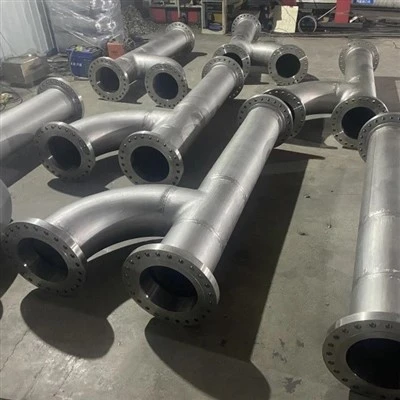
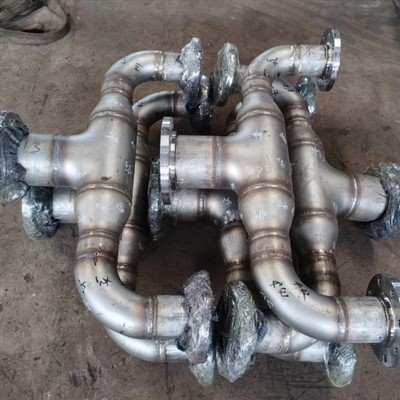
Stainless steel pipes are the backbone of critical infrastructure across the petrochemical, food processing, pharmaceutical, power generation, and marine industries. Their ability to resist corrosion, withstand high temperatures, and maintain structural integrity under pressure makes them indispensable - yet also demands precision during fabrication.
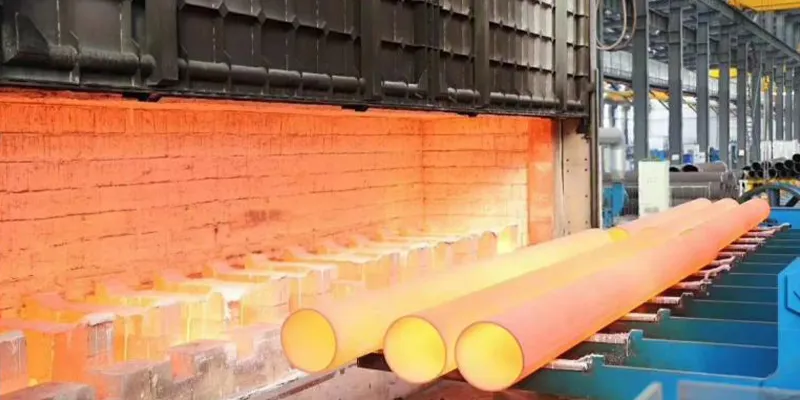
Welding and heat treatment are the two most consequential operations in stainless steel pipe fabrication. Executed correctly, they preserve the alloy's protective chromium-oxide passive film and mechanical properties. Executed poorly, they can trigger sensitization, hot cracking, sigma-phase embrittlement, or dimensional distortion - defects that lead to premature failure, costly downtime, and safety hazards.
This guide provides a comprehensive, data-driven reference covering grade selection, welding process selection, filler metal compatibility, interpass temperature control, post-weld heat treatment (PWHT), common defect prevention, and quality inspection standards. Whether you are a qualified welding engineer or a production manager, the tables and precautions in this document will support better decisions at every stage of the fabrication process.
Key Insight: The single most effective precaution in stainless steel pipe welding is selecting the correct grade and filler metal combination before the first arc is struck.
Understanding Stainless Steel Grades
Stainless steel is not a single material. It is a family of iron-chromium alloys differentiated by microstructure, alloying elements, and - critically - their response to heat. Selecting the correct grade before welding begins is the single most important decision an engineer can make.
The Five Microstructural Families
Austenitic (300 series): The most commonly welded group. Non-magnetic, excellent toughness at low temperatures, and high corrosion resistance. Susceptible to sensitization if cooled slowly through the 450–850 °C range.
Ferritic (400 series): Magnetic, moderate corrosion resistance, lower nickel content reduces cost. Grain growth in the heat-affected zone (HAZ) can reduce toughness.
Martensitic (410, 420, 440): Hardenable by heat treatment. Highest strength in the family but lowest corrosion resistance. Always requires preheating and PWHT.
Duplex (2205, 2507): Mixed austenite-ferrite microstructure. Excellent strength and chloride stress-corrosion cracking resistance. Phase balance must be maintained through controlled heat input.
Precipitation Hardening (17-4 PH, 15-5 PH): Strengthened by aging. Rarely used in piping systems; specialized PWHT regimes required.
Common Grades and Welding Considerations
Table 1 summarizes the most frequently fabricated stainless steel pipe grades and their primary welding implications:
Table 1 - Common Stainless Steel Pipe Grades and Key Welding Properties
|
Grade |
C% max |
Cr% |
Ni% |
Key Welding Consideration |
|
304 |
0.08 |
18–20 |
8–10.5 |
Risk of sensitization at 450–850 °C |
|
304L |
0.03 |
18–20 |
8–12 |
Low carbon reduces sensitization risk |
|
316 |
0.08 |
16–18 |
10–14 |
Mo addition improves pitting resistance |
|
316L |
0.03 |
16–18 |
10–14 |
Preferred for aggressive environments |
|
321 |
0.08 |
17–19 |
9–12 |
Ti stabilized; PWHT not usually required |
|
347 |
0.08 |
17–19 |
9–13 |
Nb stabilized; use ER347 filler |
|
Duplex 2205 |
0.03 |
22–23 |
4.5–6.5 |
Control heat input; PWHT rarely required |
Critical Note: Never substitute a non-L grade (e.g., 304) for an L-grade (304L) in service environments where PWHT cannot be performed after welding, unless the design specifies otherwise.
Welding Process Selection
The choice of welding process determines heat input, positional capability, productivity, and the likelihood of weld defects. Stainless steel pipes are most commonly joined by the processes described below. Table 2 provides a comparative overview.

Table 2 - Welding Process Comparison for Stainless Steel Pipe
|
Process |
Heat Input |
Shielding Gas |
Distortion Risk |
Best Application |
|
GTAW / TIG |
Low |
Ar or Ar+He |
Low |
Thin-wall pipe, root passes, precision work |
|
SMAW / MMA |
Medium |
Flux-coated |
Medium |
Field repairs, heavy-wall pipe, site conditions |
|
GMAW / MIG |
Medium-High |
Ar+O2 (1–2%) |
Medium |
High production, thick-wall industrial piping |
|
FCAW |
High |
Flux core |
High |
Structural, outdoor, where full shielding impractical |
|
PAW |
Very Low |
Ar plasma |
Very Low |
Orbital welding, small-bore pipes, cleanroom environments |
GTAW / TIG Welding - The Preferred Method
Gas Tungsten Arc Welding (GTAW), commonly called TIG welding, is the gold standard for stainless steel pipe fabrication. Its low heat input minimizes
HAZ sensitization risk, and its precision makes it ideal for root-pass welding where weld quality is hardest to inspect after completion.
Use 100% argon shielding for most austenitic grades.
Add helium (up to 30%) to increase penetration on wall thicknesses above 6 mm.
Always purge the pipe bore (inside diameter) with argon during root-pass welding to prevent oxidation. Flow rate: 10–20 L/min.
Maintain electrode angle at 70–80° from horizontal to control arc directionality.
SMAW - Flexibility for Field Work
Shielded Metal Arc Welding (SMAW) uses coated electrodes and is well-suited for outdoor or site conditions where gas shielding would be disrupted by wind. Electrode selection is critical: always match the AWS classification to the base metal grade (e.g., E316L-16 for 316L pipe).
Keep electrodes in a rod oven at 120–150 °C to prevent moisture absorption.
Drag electrodes smoothly - weaving increases heat input and distortion risk.
Slag must be fully removed between passes using a stainless steel wire brush.,
General Precautions Across All Processes
Never use carbon steel wire brushes or grinding discs on stainless steel - iron contamination promotes rusting.
Clamps, fixtures, and backing bars must be clean and free of carbon steel.
Keep all consumables (electrodes, wire, flux) in sealed, dry storage until use.
Inspect the pipe bore for mill scale, oil, or moisture before assembly.
Filler Metal Selection
Selecting the correct filler metal is as critical as selecting the base material. The wrong filler can reduce corrosion resistance, introduce hot cracking susceptibility, or create a galvanic couple that accelerates corrosion in service.
Three guiding principles apply:
Match or slightly over-alloyed: The filler metal should match or exceed the alloy content of the base metal.
Control ferrite number (FN): For austenitic grades, a FN of 4–10 in the weld metal dramatically reduces hot cracking risk without sacrificing corrosion resistance.
Use low-carbon (L-grade) fillers: Even when welding standard-grade base metals (e.g., 304), use L-grade filler (ER308L) to minimize sensitization in the weld deposit.
Table 3 - Filler Metal Selection Guide by Base Metal Grade
|
Base Metal |
AWS Filler |
Ferrite No. |
C% max |
Notes |
|
304 / 304L |
ER308L |
4–10 FN |
0.03 |
Universal choice for 304 series; low C reduces sensitization |
|
316 / 316L |
ER316L |
4–12 FN |
0.03 |
Mo-bearing filler matches base metal corrosion resistance |
|
321 |
ER321 / ER347 |
4–8 FN |
0.08 |
Ti or Nb stabilization maintained in weld metal |
|
Duplex 2205 |
ER2209 |
30–50% ferrite |
0.03 |
Higher Ni filler restores austenite/ferrite balance |
|
904L |
ER385 |
0–5 FN |
0.02 |
High-alloy; fully austenitic; crack-sensitive - preheat |
Warning: Do not use carbon steel or standard stainless filler metals interchangeably. For dissimilar metal welds (e.g., carbon steel to 316L), use ER309L to provide a buffer composition that accommodates both alloys.
Pre-Heat, Interpass Temperature, and Heat Input Control
Temperature management before, during, and after welding is critical to preserving the microstructure and properties of stainless steel. Unlike carbon steels, most austenitic stainless steels do not benefit from preheat - in fact, excessive preheat increases sensitization risk.

Preheating
For most austenitic stainless steel grades (304, 316, 321, 347), no preheating is required when the ambient temperature is above 10 °C. However, exceptions exist:
Martensitic grades (410, 420): Preheat to 200–300 °C. PWHT is mandatory.
Ferritic grades (430, 444) with wall thickness > 6 mm: Light preheat of 150–200 °C to reduce HAZ grain growth.
Duplex grades: No preheat. Maintain ambient temperature; excessive preheat slows cooling and encourages sigma-phase formation.
When ambient temperature is below 10 °C for any grade: Warm the pipe locally to 25–50 °C to eliminate surface condensation.
Interpass Temperature and Heat Input
Interpass temperature is the temperature of the pipe at the weld joint immediately before starting the next pass. Exceeding the maximum interpass temperature allows the HAZ to spend more time in the sensitization range, increasing chromium carbide precipitation at grain boundaries.
Table 4 - Preheat, Interpass Temperature, and Heat Input by Steel Type
|
Steel Type |
Max Interpass Temp (°C) |
Preheat Required |
Recommended Heat Input |
|
Austenitic (304, 316, 321) |
150 °C |
None (ambient OK) |
0.5–1.5 kJ/mm (GTAW) |
|
Duplex (2205, 2507) |
150 °C |
None - may even cool |
0.5–2.5 kJ/mm (controlled) |
|
Ferritic (430, 444) |
150 °C |
150–200 °C if >6 mm |
Low; minimize HAZ growth |
|
Martensitic (410, 420) |
300 °C |
200–300 °C always |
Low–Medium; PWHT essential |
|
Nickel Alloy (625, 825) |
100 °C |
Not usually required |
Low; avoid excessive dilution |
Heat input (kJ/mm) is calculated as: Heat Input = (Voltage × Current × 60) / (Travel Speed in mm/min × 1000). Always monitor and record this value for each weld pass during production welding.
Practical Tip: Use a contact thermometer or thermal crayon (Tempilstick) to measure interpass temperature at a distance of 25 mm from the weld centerline.
Post-Weld Heat Treatment (PWHT)
Post-weld heat treatment modifies the weld metal and HAZ microstructure to relieve residual stresses, restore corrosion resistance, or achieve required mechanical properties. The approach varies significantly by grade.
When Is PWHT Required?
Mandatory: Martensitic stainless steels - always temper after welding.
Required by code: Pressure vessels and piping operating above certain temperatures or pressures per ASME B31.3 or ASME Section VIII.
Recommended: Austenitic grades in highly stressed configurations or high-purity chemical service.
Avoided: Duplex stainless steels - PWHT can destroy the austenite-ferrite phase balance unless full solution anneal is performed.
PWHT Parameters by Grade
Table 5 - Post-Weld Heat Treatment Parameters by Grade and Service
|
Grade / Application |
Treatment Type |
Temperature Range |
Hold Time & Cooling Method |
|
304 / 316 (service >400°C) |
Solution Anneal |
1010–1120 °C |
30 min/25 mm; rapid water quench to prevent sensitization |
|
304L / 316L (most service) |
Stress Relief (optional) |
400–450 °C |
1–2 hr; air cool. Avoids sensitization range |
|
Martensitic (410, 420) |
Temper after weld |
650–750 °C |
1 hr min; furnace or slow air cool |
|
Ferritic (430) |
Anneal |
750–850 °C |
30–60 min; air cool |
|
Duplex 2205 |
Solution Anneal |
1020–1100 °C |
Min 10 min; rapid quench. Restore phase balance |
|
Alloy 625 / 825 |
Stabilization Anneal |
870–900 °C |
1–4 hr; air cool or furnace |
Critical PWHT Precautions
Never perform stress-relief heat treatment on austenitic grades within the 450–850 °C sensitization range - this will cause, not prevent, intergranular corrosion susceptibility.
During solution annealing, the pipe must be supported adequately to prevent sagging under its own weight at elevated temperatures.
Heating and cooling rates must be controlled. For heavy-wall pipes (>25 mm), limit the rate to 150–200 °C/hour to prevent thermal shock.
Thermocouples must be attached directly to the pipe, not to the furnace structure, to ensure accurate temperature recording.
After quenching austenitic grades, the pipe must cool below 300 °C within 3 minutes to prevent re-precipitation of chromium carbides.
Common Weld Defects and Prevention Strategies
Understanding the root causes of weld defects is the most efficient path to preventing them. The table below catalogs the six most prevalent defect types in stainless steel pipe welding, their mechanisms, and both preventive and inspection actions:
Table 6 - Common Stainless Steel Weld Defects, Root Causes, and Prevention
|
Defect |
Root Cause |
Prevention |
Detection |
|
Sensitization |
Slow cooling 450–850 °C depletes Cr at grain boundaries |
Use L-grade or stabilized alloy; rapid quench post-anneal |
ASTM A262 corrosion test |
|
Hot Cracking |
Low ferrite content, sulfur/phosphorus impurities |
Maintain FN >4; control heat input; use clean filler |
PT / RT / UT |
|
Porosity |
Moisture, oil, or surface contamination |
Clean & degrease; dry electrodes; adequate shielding flow |
RT / UT |
|
Sigma Phase Embrittlement |
Prolonged exposure 600–950 °C (duplex/ferritic) |
Control PWHT time; avoid prolonged soaking in this range |
Charpy impact test; hardness |
|
Distortion / Warping |
High heat input; uneven heating |
Tack evenly; back-step welding; use fixtures; GTAW |
Dimensional inspection |
|
Oxidation / Discoloration |
Insufficient back-purge; atmospheric contamination |
Argon purge ID; maintain >15 L/min shielding flow |
Visual; color chart comparison |
Sensitization is the depletion of chromium at grain boundaries caused by chromium carbide (Cr23C6) precipitation. It renders the steel susceptible to intergranular corrosion and stress-corrosion cracking. The risk is highest when:
The carbon content exceeds 0.03% (standard-grade 304 or 316).
Cooling through the 450–850 °C range takes longer than approximately 5 minutes.
Multiple passes increase cumulative time in the sensitization range.
The most effective countermeasures are using L-grade or stabilized-grade base metals and fillers, minimizing interpass temperature, and applying rapid post-weld cooling where permitted by design.
Joint Preparation, Cleanliness, and Back-Purging

Contamination is the leading cause of weld defects in stainless steel. The passive chromium-oxide layer that protects stainless steel from corrosion is also a source of weld quality issues if it is not properly managed at the joint. The following steps are non-negotiable:
Degrease all joint surfaces within 50 mm of the weld line using acetone or isopropyl alcohol (IPA) before welding. Apply with clean, lint-free cloths only.
Remove mill scale, paint, and coatings from the weld zone using a dedicated stainless steel grinder or flap disc. Never use tools previously used on carbon steel.
Machine or grind bevel angles to the specified tolerance. Standard bevel: 37.5° ± 2.5° with 1.5–3 mm root face.
Inspect for laminations, seams, or surface irregularities in the pipe bore prior to fit-up.
During root-pass welding, the inner bore of the pipe is exposed to the weld pool. Without an inert atmosphere, the reverse side of the weld will oxidize, forming chrome-depleted oxides that impair corrosion resistance and create stress concentration points.
Use argon (99.998% purity) for back-purging. Nitrogen may be used for duplex grades.
Achieve an oxygen level below 50 ppm (ideally <20 ppm) before striking the arc. Use an inline oxygen analyzer.
Maintain purge flow throughout root pass and hot pass welding.
Acceptable weld discoloration (by color): Silver = excellent; light gold = acceptable; dark gold/brown = marginal; blue = unacceptable; black = reject.
Cost Note: Argon back-purging adds 8–15% to weld labor cost on typical pipe spools - but eliminates rework from bore oxidation that can cost 10× more to correct.
Quality Control and Inspection
A weld that meets visual and dimensional requirements is not necessarily a structurally sound weld. A robust inspection regime uses multiple complementary methods to detect the full spectrum of possible defects across the surface, subsurface, and volumetric domains.
Table 7 - Quality Inspection Methods and Applicable Standards
|
Inspection Method |
Applicable Standard |
What It Detects |
|
Visual Inspection (VT) |
AWS D1.6 / ASME B31.3 |
Surface discontinuities, porosity, discoloration, underfill |
|
Penetrant Testing (PT) |
ASTM E165 / ASME Sec. V Art. 6 |
Surface-breaking cracks, pinholes, lack of fusion |
|
Radiographic Testing (RT) |
ASTM E94 / ASME Sec. V Art. 2 |
Internal porosity, inclusions, incomplete penetration |
|
Ultrasonic Testing (UT) |
ASTM E164 / AWS D1.6 |
Subsurface flaws, lamellar tears, wall thickness |
|
Ferrite Number (FN) Check |
AWS A4.2 / WRC-1992 Diagram |
Weld metal microstructure, hot-cracking susceptibility |
|
Intergranular Corrosion Test |
ASTM A262 Practice A/B/E |
Sensitization in HAZ and weld metal |
|
Hardness Testing |
ASTM E18 / ASME VIII Div.1 |
PWHT effectiveness; undesirable phase transformation |
All production welds on pressure-containing piping should be supported by the following documentation, per ASME B31.3 and applicable client specifications:
Welding Procedure Specification (WPS) - defines all essential variables.
Procedure Qualification Record (PQR) - test results supporting the WPS.
Welder Performance Qualification (WPQ) - per welder, per process, per position.
Production Weld Records - heat input logs, interpass temperature records, filler metal certificates.
PWHT charts - temperature-time records with thermocouple data.
Material Test Reports (MTRs) - for base metals and filler metals.
Environmental and Safety Considerations
Stainless steel welding fumes contain hexavalent chromium Cr(VI) and nickel oxide compounds, both of which are classified as human carcinogens by IARC. Effective controls are mandatory:
Local exhaust ventilation (LEV) capturing fume at source is the primary control.
For confined spaces or inadequate natural ventilation, use supplied-air respirators (NIOSH-approved).
Monitor airborne Cr(VI) levels. OSHA PEL: 5 μg/m³ (8-hr TWA). ACGIH TLV: 0.01 mg/m³.
Biological monitoring (urine chromium and nickel) is recommended for frequent welders.
Post-weld pickling with nitric-hydrofluoric acid mixtures is common for restoring the passive layer. These acids are highly corrosive and toxic:
Wear acid-resistant gloves (nitrile or butyl rubber), face shield, and apron.
Neutralize and properly dispose of spent pickling solution per local environmental regulations.
Citric acid passivation (ASTM A380) is a safer alternative for less critical applications.
Pre-Weld, In-Process, and Post-Weld Checklist
Verify grade, heat number, and dimensions against material test reports.
Confirm WPS is approved and welders are qualified for the applicable process and position.
Degrease and dry all joint surfaces within 50 mm of the weld centerline.
Verify filler metal type, AWS classification, and storage condition.
Check shielding gas purity certificates. Argon: 99.998% minimum.
Set up back-purge system; verify oxygen content < 50 ppm with analyzer.
Confirm fit-up dimensions: root gap, bevel angle, misalignment (high-low < 1 mm).
In-Process Checklist
Measure and record interpass temperature before each pass.
Calculate and record heat input for each pass.
Brush slag and oxides between passes with stainless steel wire brush.
Monitor shielding gas flow rate continuously.
Visually inspect each pass before the next is started.
Post-Weld Checklist
Visually inspect final weld bead contour, size, and discoloration.
Conduct NDE per the inspection plan (PT, RT, UT as specified).
Verify PWHT cycle completed per WPS and record thermocouple data.
Pickle and passivate per specification; document chemical concentrations and exposure time.
Conduct dimensional inspection (diameter, straightness, end squareness).
Complete and retain all weld records for the required retention period.
Conclusion
Stainless steel pipe welding and heat treatment demand a disciplined, knowledge-driven approach at every stage - from grade selection through final inspection. The 'precautions' described in this guide are not bureaucratic requirements; they are the engineering controls that protect the performance of the finished piping system, the safety of the facility in which it operates, and the reputation of the fabricator who made it.
The key takeaways from this guide can be summarized in five principles:
Match the grade and filler to the service environment - low-carbon or stabilized grades for most welded applications.
Control heat input and interpass temperature - the sensitization range (450–850 °C) is the enemy of corrosion resistance.
Purge, clean, and protect - contamination and oxidation cause more weld failures than incorrect technique.
Apply PWHT correctly or not at all - the wrong heat treatment is worse than none.
Document everything - traceability is the backbone of a reliable quality system.
For project-specific technical inquiries, grade selection assistance, or custom fabrication consultations, contact our engineering team. We are committed to providing not only the highest-quality stainless steel and nickel alloy products, but also the technical expertise to ensure they perform as designed throughout their service life.