Understanding the pricing of Nickel Alloy 625 (UNS N06625) across its diverse product forms – plate, sheet, bar, pipe, tube, wire, and fittings, the significant energy and technology-intensive manufacturing processes involved, stringent quality assurance requirements.
The substantial value derived from its unparalleled combination of strength, corrosion resistance, and fabricability, and the inherent costs associated with maintaining inventory for this high-value material, all of which justify its premium positioning compared to standard stainless steels and position it as a strategic investment delivering long-term operational savings and reliability in the most demanding environments.


Basic Drivers of Nickel Alloy 625 Pricing
The fundamental cost base for any Nickel Alloy 625 product is intrinsically tied to the volatile London Metal Exchange price of primary nickel, which typically constitutes 55-65% of the alloy's composition.
Significant price fluctuations in nickel, driven by global supply-demand dynamics, geopolitical factors affecting major producers (Indonesia, Philippines, Russia), inventory levels on exchanges, and broader economic sentiment, create a baseline volatility that directly cascades through to alloy surcharges applied by mills and distributors.
Molybdenum and niobium, critical alloying elements comprising approximately 9% and 3.5% respectively in Alloy 625, add substantial cost layers due to their own market dynamics, processing complexity, and relative scarcity compared to iron or chromium.
Beyond raw materials, the energy-intensive nature of production is a major cost factor; melting high-purity alloys like 625 often requires advanced processes like Vacuum Induction Melting (VIM) followed by Vacuum Arc Remelting (VAR) or Electro-Slag Remelting (ESR) to achieve the necessary cleanliness, homogeneity, and freedom from detrimental inclusions and segregation, processes consuming vast amounts of electricity and requiring sophisticated, capital-intensive equipment.
Subsequent thermomechanical processing – forging, hot rolling, cold rolling, drawing, extrusion, pilgering – demands significant energy inputs, specialized high-capacity machinery, and skilled labor, particularly for achieving precise dimensional tolerances and surface finishes required in critical applications.
Finally, rigorous quality control is non-negotiable; comprehensive chemical analysis, mechanical testing, non-destructive examination, and strict adherence to specifications and customer-specific certifications add considerable overhead but are essential for ensuring material integrity in safety-critical uses, contributing significantly to the overall cost structure.
Price Variations Across Key Product Forms
The pricing of Nickel Alloy 625 exhibits significant variation depending on the specific product form, driven primarily by the complexity and cost-intensity of the manufacturing route required to produce it.
Nickel Alloy 625 Plate and Sheet represent foundational forms; thicker plates command higher prices per kilogram due to the greater volume of expensive melt stock required and the significant energy and time involved in the heavy forging or rolling processes needed to achieve the required thickness reductions and microstructural properties, while thinner sheets and coils incur costs associated with precision cold rolling, extensive intermediate annealing cycles to manage work hardening, and stringent flatness/surface finish requirements.
Nickel Alloy 625 Bar and Rod products, ranging from large diameter forged bars down to precision ground rod, see pricing influenced heavily by diameter; larger diameters require more melt material and extensive hot working, while smaller diameters, especially those requiring extensive cold drawing or turning/grinding to tight tolerances and fine surface finishes, incur significant processing costs per unit weight due to the multi-pass operations, annealing, and precise machining involved, with hex, square, or other shaped bars adding further machining complexity.
Nickel Alloy 625 Pipe and Tube are among the most cost-intensive forms; seamless pipe/tube production via extrusion or pilgering is extremely capital and energy-intensive, requiring specialized equipment and multiple processing stages, leading to a substantial premium over welded products, though welded tube still requires high-cost precision welding of expensive sheet/coil, followed by critical full-length heat treatment and extensive NDE to ensure weld integrity, with factors like diameter-to-wall thickness ratio, length, and tolerance requirements further escalating costs.
Nickel Alloy 625 Wire pricing is heavily dependent on diameter and finish; fine wire diameters necessitate numerous drawing passes through precision dies, interspersed with annealing cycles, demanding high levels of process control and resulting in significant value-add per kilogram, with additional costs for spooling, straightening, or specific surface treatments.
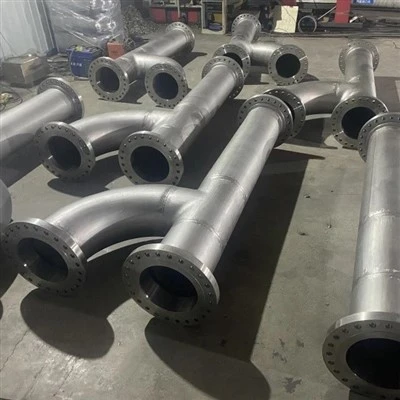
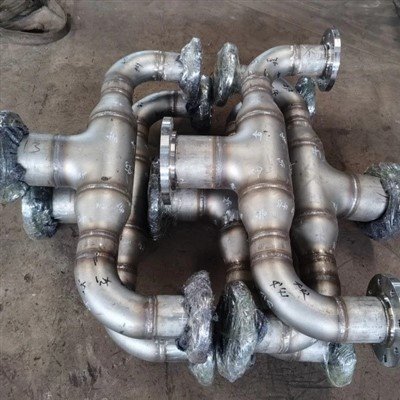
Nickel Alloy 625 Fittings (flanges, elbows, tees, etc.) carry the highest value-add premium; they start with expensive base material (bar, tube, or forged blanks) and undergo complex machining, forging, or forming operations, often requiring multiple steps and specialized tooling, followed by meticulous finishing, rigorous inspection, and comprehensive certification traceability for each individual piece, making them significantly more expensive per kilogram than the raw material forms they originate from.
Market and Sourcing Considerations
Beyond the intrinsic cost drivers and product form complexities, Nickel Alloy 625 pricing is significantly influenced by dynamic market forces and strategic supply chain factors.
Global industrial demand cycles, particularly in key consuming sectors like aerospace, oil & gas, chemical processing, and power generation, create periods of intense competition for mill capacity, leading to extended lead times and potential price premiums, especially for less common sizes or specifications requiring non-standard production runs.
Conversely, economic downturns in these sectors can temporarily ease pressure, though the specialized nature of production means prices rarely collapse.
Geopolitical instability affecting raw material supply chains or major producing regions can introduce significant volatility and risk premiums into pricing. The scale of the purchasing organization plays a crucial role; large OEMs or major EPC contractors often secure more favorable pricing through long-term agreements (LTAs) guaranteeing large, consistent volumes, leveraging their buying power to negotiate base price and alloy surcharge mechanisms, while smaller purchasers face higher per-unit costs and less favorable surcharge terms.
Supply chain structure is critical; purchasing directly from major integrated mills offers potential cost advantages for large, standard orders but may involve minimum order quantities and long lead times, whereas specialized master distributors and service centers provide value through readily available stock, smaller order fulfillment, value-added services, and technical support, albeit at a markup reflecting their inventory carrying costs and service provision.
Finally, the criticality of the application profoundly impacts acceptable price points; for components where failure could lead to catastrophic consequences, buyers prioritize material pedigree, traceability, and guaranteed performance over minor cost differences, recognizing that the premium for fully certified, high-integrity Nickel Alloy 625 is a small fraction of the total project risk and potential cost of failure, making it a justifiable and necessary investment for uncompromising performance and safety.