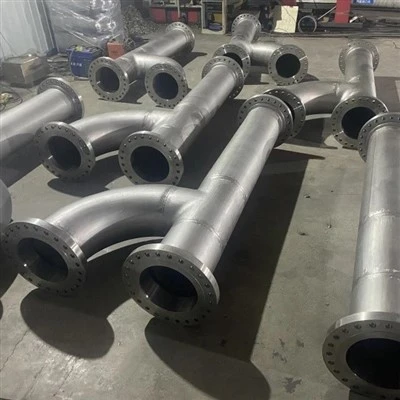
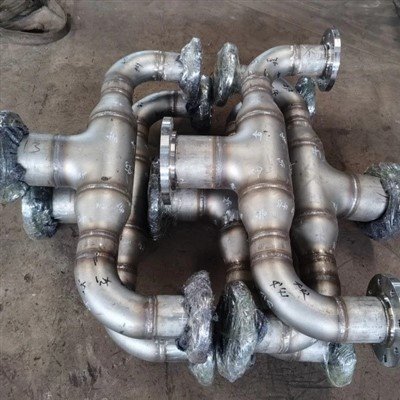
Inconel 625 excels in high-temperature, high-strength applications (up to 980°C), while Hastelloy C276 is the superior choice for extreme corrosion resistance, particularly in hydrochloric acid, seawater, and reducing environments.

Both Inconel 625 (UNS N06625) and Hastelloy C276 (UNS N10276) are premium nickel-based superalloys designed for demanding industrial applications. This technical comparison evaluates their chemical composition, mechanical properties, corrosion resistance, temperature capabilities, and application suitability to guide material selection engineers in making informed decisions.
Introduction
Nickel-based superalloys represent the pinnacle of metallurgical engineering for extreme environments. Inconel 625 and Hastelloy C276 are two of the most widely specified alloys for severe service conditions, yet they serve distinctly different operational requirements.
What is Inconel 625?
Inconel 625 (UNS N06625, W.Nr. 2.4856) is a nickel-chromium-molybdenum alloy strengthened by niobium addition. Developed in the 1960s for steam-line applications, it has evolved into a versatile material combining high strength with excellent corrosion resistance across a wide temperature range (-196°C to 980°C).
What is Hastelloy C276?
Hastelloy C276 (UNS N10276, W.Nr. 2.4819) is a nickel-molybdenum-chromium alloy with tungsten addition, specifically engineered for exceptional corrosion resistance in aggressive chemical environments. Its ultra-low carbon and silicon content (<0.01% C, <0.08% Si) eliminates sensitization during welding, making it the material of choice for severe corrosion applications.
Chemical Composition: How Do They Differ?
Hastelloy C276 contains significantly higher molybdenum (15-17%) and tungsten (3-4.5%) for superior reducing-acid resistance, while Inconel 625 features niobium (3.15-4.15%) for precipitation strengthening and higher chromium (20-23%) for oxidation resistance.
The fundamental difference between these alloys lies in their chemical formulations, which directly determine their performance characteristics:
|
Element |
Inconel 625 (%) |
Hastelloy C276 (%) |
Function |
|
Nickel (Ni) |
58.0-63.0 (Balance) |
52.0-60.0 (Balance) |
Base matrix, corrosion resistance |
|
Chromium (Cr) |
20.0-23.0 |
14.5-16.5 |
Oxidation resistance, passive film |
|
Molybdenum (Mo) |
8.0-10.0 |
15.0-17.0 |
Reducing acid resistance, pitting resistance |
|
Niobium (Nb) |
3.15-4.15 |
- |
Precipitation strengthening (Ni₃Nb) |
|
Tungsten (W) |
- |
3.0-4.5 |
Creep resistance, corrosion resistance |
|
Iron (Fe) |
≤5.0 |
4.0-7.0 |
Cost reduction, strength |
|
Carbon (C) |
≤0.10 |
≤0.01 |
Carbide formation (lower = better weldability) |
|
Silicon (Si) |
≤0.50 |
≤0.08 |
Oxidation resistance (lower = better weldability) |
Molybdenum Content: Hastelloy C276's 15-17% Mo (vs. 8-10% in Inconel 625) provides dramatically better resistance to reducing acids like hydrochloric acid and sulfuric acid.
Niobium Advantage: Inconel 625's niobium forms Ni₃Nb (γ") precipitates, enabling precipitation hardening for significantly higher strength at elevated temperatures.
Ultra-Low Carbon: Hastelloy C276's <0.01% carbon content prevents carbide precipitation during welding, eliminating sensitization and intergranular corrosion in the heat-affected zone.
Mechanical Properties: Which Alloy is Stronger?
Inconel 625 delivers 35-50% higher tensile strength than Hastelloy C276 (827 MPa vs. 690-730 MPa), making it the preferred choice for high-stress, high-temperature structural applications.
The mechanical performance of these alloys differs significantly, particularly at elevated temperatures:
|
Property |
Inconel 625 |
Hastelloy C276 |
Difference |
|
Ultimate Tensile Strength (UTS) |
827-1000 MPa |
690-730 MPa |
+20-35% (Inconel) |
|
Yield Strength (0.2% offset) |
414-550 MPa |
283-350 MPa |
+45-60% (Inconel) |
|
Elongation at Break |
30-50% |
40-60% |
+10% (Hastelloy) |
|
Hardness (Brinell) |
200-240 HB |
180-220 HB |
Similar |
|
Elastic Modulus |
205 GPa |
200 GPa |
Comparable |
|
Density |
8.44 g/cm³ |
8.89 g/cm³ |
+5% (Hastelloy) |
Temperature-Dependent Strength
Inconel 625 retains >60% of its room-temperature strength at 650°C, while Hastelloy C276's strength declines more rapidly above 425°C.
For high-temperature structural applications, Inconel 625 demonstrates superior strength retention:
|
Temperature |
Inconel 625 UTS |
Hastelloy C276 UTS |
Inconel 625 YS |
Hastelloy C276 YS |
|
Room Temp (20°C) |
827-1000 MPa |
690-730 MPa |
414-550 MPa |
283-350 MPa |
|
200°C |
760-900 MPa |
620-680 MPa |
380-500 MPa |
260-320 MPa |
|
425°C |
700-850 MPa |
550-620 MPa |
350-450 MPa |
220-280 MPa |
|
650°C |
600-750 MPa |
450-520 MPa |
300-400 MPa |
180-240 MPa |
|
815°C |
400-550 MPa |
280-350 MPa |
200-300 MPa |
120-180 MPa |
High-Temperature Capability
Inconel 625 Maximum Service Temperature: Up to 980°C in oxidizing atmospheres; excellent creep resistance up to 650°C.
Hastelloy C276 Maximum Service Temperature: Typically limited to 816°C for structural applications; strength degrades more rapidly above 650°C.
Creep Resistance: Inconel 625's niobium-strengthened matrix provides superior long-term creep resistance, critical for pressure vessels and turbine components.
Corrosion Resistance: Which Alloy Better Resists Aggressive Media?
Hastelloy C276 offers superior corrosion resistance in reducing environments (hydrochloric acid, sulfuric acid, seawater), while Inconel 625 excels in oxidizing environments and offers better pitting resistance in chloride-containing media.

The corrosion resistance profile of each alloy is determined by its unique chemical composition:
Corrosion Resistance by Environment Type
|
Environment |
Inconel 625 |
Hastelloy C276 |
Recommendation |
|
Hydrochloric Acid (HCl) |
Good up to 40°C |
Excellent up to 60°C+ |
Hastelloy C276 |
|
Sulfuric Acid (H₂SO₄) |
Good (dilute) |
Excellent (all concentrations) |
Hastelloy C276 |
|
Nitric Acid (HNO₃) |
Excellent |
Good |
Inconel 625 |
|
Seawater/Brine |
Excellent |
Excellent |
Both suitable |
|
Hydrofluoric Acid (HF) |
Limited |
Good |
Hastelloy C276 |
|
Wet Chlorine |
Fair |
Excellent |
Hastelloy C276 |
|
Chloride Stress Corrosion Cracking |
Excellent resistance |
Excellent resistance |
Both suitable |
|
Pitting Corrosion (Cl⁻) |
Excellent (PREN >40) |
Very Good (PREN >50) |
Hastelloy C276 (slight edge) |
|
Intergranular Corrosion (welded) |
Good |
Excellent (low C) |
Hastelloy C276 |
Pitting Resistance Equivalent Number (PREN)
The Pitting Resistance Equivalent Number quantifies resistance to localized pitting attack in chloride environments:
PREN = %Cr + 3.3 × %Mo + 16 × %N
Inconel 625 PREN: ≈ 20 + 3.3 × 9 = ~50 (no nitrogen contribution)
Hastelloy C276 PREN: ≈ 15.5 + 3.3 × 16 = ~68 (higher molybdenum provides superior pitting resistance)
Welding and Sensitization Resistance
Hastelloy C276's ultra-low carbon content (<0.01%) eliminates carbide precipitation during welding, making it the superior choice for welded equipment without post-weld heat treatment.
Inconel 625: May require solution annealing after welding to dissolve carbides and restore corrosion resistance in the heat-affected zone.
Hastelloy C276: Can be used in the as-welded condition for most applications due to extremely low carbon and silicon content.
Industry Standard: Hastelloy C276 is specified in NACE MR0175/ISO 15156 for sour service applications where welding is involved.
Industrial Applications
Inconel 625 dominates aerospace, nuclear, and high-temperature structural applications; Hastelloy C276 is the standard for chemical processing, pollution control, and seawater systems requiring extreme corrosion resistance.
Inconel 625 Primary Applications
- Aerospace: Turbine engine components, thrust reversers, combustion chambers, exhaust systems
- Oil & Gas: Downhole tubing, risers, subsea equipment, wellhead components (high-temperature, high-pressure service)
- Nuclear: Reactor core components, control rod guide tubes, steam generator tubing
- Marine: Propeller blades, seawater valves, submarine components
- Chemical Processing: Heat exchangers, reaction vessels handling oxidizing media
Hastelloy C276 Primary Applications
- Chemical Processing: Reactors, heat exchangers, piping for HCl, H₂SO₄, HF, and mixed acids
- Pollution Control: Flue gas desulfurization (FGD) systems, scrubbers, stack liners
- Pulp & Paper: Digesters, bleach plant equipment, recovery boilers
- Pharmaceutical: Process equipment requiring exceptional purity and corrosion resistance
- Seawater Systems: Heat exchangers, condensers, piping in desalination plants
- Waste Treatment: Incinerator components, hazardous waste processing equipment
|
Industry |
Application |
Recommended Alloy |
Key Selection Factor |
|
Aerospace |
Turbine components |
Inconel 625 |
High-temperature strength |
|
Oil & Gas (downhole) |
Tubing, risers |
Inconel 625 |
HP/HT capability |
|
Oil & Gas (surface) |
Valves, separators |
Hastelloy C276 |
H₂S/Cl⁻ corrosion |
|
Chemical Processing |
HCl/H₂SO₄ equipment |
Hastelloy C276 |
Acid resistance |
|
Chemical Processing |
Nitric acid service |
Inconel 625 |
Oxidizing environment |
|
Power Generation |
FGD systems |
Hastelloy C276 |
SO₂/Cl⁻ resistance |
|
Nuclear |
Reactor internals |
Inconel 625 |
Irradiation resistance |
|
Desalination |
Heat exchangers |
Hastelloy C276 |
Seawater corrosion |
|
Marine |
Propellers |
Inconel 625 |
Cavitation + strength |
Fabrication and Welding Considerations
Both alloys exhibit excellent weldability; Hastelloy C276 offers superior as-welded corrosion resistance, while Inconel 625 may require post-weld heat treatment for optimal properties.

Welding Characteristics
|
Parameter |
Inconel 625 |
Hastelloy C276 |
|
Weldability |
Excellent (all processes) |
Excellent (all processes) |
|
Recommended Filler |
ERNiCrMo-3 / ENiCrMo-3 |
ERNiCrMo-4 / ENiCrMo-4 |
|
Heat Input |
Low to moderate |
Low to moderate |
|
Interpass Temperature |
≤175°C |
≤95°C (lower preferred) |
|
Post-Weld Treatment |
Solution anneal recommended |
Usually unnecessary |
|
Sensitization Risk |
Moderate (if not annealed) |
Very low (ultra-low C) |
Machining and Forming
Work Hardening Rate: Both alloys exhibit rapid work hardening, requiring sharp tooling and controlled feed rates.
Formability: Hastelloy C276's higher elongation (40-60%) offers slightly better formability than Inconel 625 (30-50%).
Machinability: Both are challenging to machine; carbide tools and low cutting speeds are recommended.
Conclusion
Inconel 625 and Hastelloy C276 represent two complementary approaches to solving extreme-service material challenges. Neither alloy is universally superior-each excels in specific operational domains:
Inconel 625 is the engineered solution for high-temperature structural applications where strength, creep resistance, and oxidation resistance are paramount. Its niobium-strengthened matrix provides the mechanical integrity required for turbine engines, nuclear components, and elevated-temperature pressure vessels.
Hastelloy C276 is the definitive choice for severe corrosion environments, particularly those involving reducing acids, high-chloride media, and welded fabrications. Its ultra-low carbon chemistry and high molybdenum-tungsten content deliver unmatched corrosion resistance for chemical processing, pollution control, and seawater applications.
For material selection engineers, the decision framework is straightforward: prioritize Inconel 625 when temperature and strength drive the design; specify Hastelloy C276 when corrosion resistance and weldability are the critical success factors.