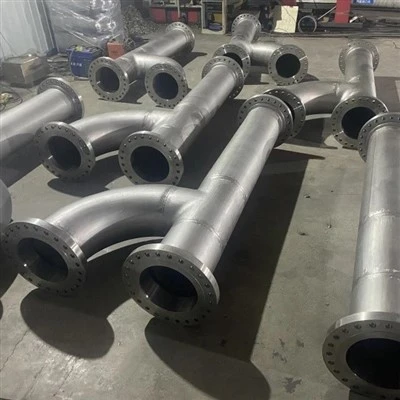
Inconel 600, 601, and 625 are nickel-chromium-based superalloys designed for extreme environments, but each serves distinct applications. Inconel 600 excels in oxidation resistance up to 1,150°C and is cost-effective for furnace components. Inconel 601 offers superior oxidation and carburization resistance with a unique aluminum addition, making it ideal for heat-treating baskets.

Inconel 625 provides unmatched creep resistance and strength at 650-1,000°C, combined with excellent corrosion resistance-preferred for aerospace and offshore applications. This guide compares chemical composition, mechanical properties, corrosion resistance, and application suitability to enable informed material selection.
What Are the Key Differences Between Inconel 600, 601, and 625?
Inconel 600 is the cost-effective workhorse for oxidation resistance up to 1,150°C; Inconel 601 adds aluminum for superior carburization resistance; Inconel 625 excels in strength and corrosion resistance but at higher cost.
The Inconel family represents a series of nickel-chromium-based superalloys engineered for extreme environments. Understanding their differences is critical for material selection:
|
Property |
Inconel 600 |
Inconel 601 |
Inconel 625 |
|
UNS Number |
N06600 |
N06601 |
N06625 |
|
Max Service Temp |
1,150°C |
1,250°C |
1,000°C |
|
Key Strength |
Oxidation resistance |
Carburization resistance |
High strength + corrosion |
|
Relative Cost |
1.0× (baseline) |
1.3× |
1.8× |
|
Yield Strength (RT) |
240 MPa |
205 MPa |
415 MPa |
|
Primary Application |
Furnace components |
Heat-treating baskets |
Aerospace, offshore |
|
Weldability |
Good |
Good |
Excellent |
Each grade serves a specific niche: Inconel 600 is the economical choice for general high-temperature oxidation; Inconel 601 addresses carburizing and oxidizing environments simultaneously; Inconel 625 combines high strength with corrosion resistance for demanding applications.
How Does Chemical Composition Influence Performance?
Aluminum addition in Inconel 601 creates a protective Al₂O₃ scale; niobium in Inconel 625 provides precipitation strengthening for superior high-temperature strength.
The chemistry of each Inconel grade determines its performance characteristics:
Table 2: Chemical Composition Comparison (wt%)
|
Element |
Inconel 600 |
Inconel 601 |
Inconel 625 |
|
Nickel (Ni) |
≥72.0 |
58.0-63.0 |
≥58.0 |
|
Chromium (Cr) |
14.0-17.0 |
21.0-25.0 |
20.0-23.0 |
|
Iron (Fe) |
6.0-10.0 |
Balance |
≤5.0 |
|
Aluminum (Al) |
- |
1.0-1.7 |
≤0.4 |
|
Niobium (Nb) |
- |
- |
3.15-4.15 |
|
Molybdenum (Mo) |
- |
- |
8.0-10.0 |
|
Titanium (Ti) |
- |
- |
≤0.4 |
|
Carbon (C) |
≤0.15 |
≤0.10 |
≤0.10 |
|
Manganese (Mn) |
≤1.0 |
≤1.0 |
≤0.5 |
Rationale: The key differentiators are:
- Inconel 600: High nickel (≥72%) provides excellent oxidation and chloride stress corrosion cracking resistance. Low alloy content keeps cost competitive.
- Inconel 601: Aluminum (1.0-1.7%) forms a tightly adherent Al₂O₃ oxide scale that resists spalling during thermal cycling. Higher chromium (21-25%) enhances oxidation resistance.
- Inconel 625: Niobium and molybdenum additions create a precipitation-hardened microstructure (γ″ phase) for exceptional strength. Molybdenum also provides pitting and crevice corrosion resistance.
Which Inconel Grade Offers the Best High-Temperature Strength?
Inconel 625 delivers 1.7× higher yield strength than Inconel 600 at room temperature and maintains superiority up to 1,000°C; Inconel 600 and 601 are comparable in strength but optimized for oxidation resistance.

High-temperature mechanical performance is critical for design safety:
Table 3: Mechanical Properties at Room Temperature
|
Property |
Inconel 600 |
Inconel 601 |
Inconel 625 |
|
Yield Strength (MPa) |
≥240 |
≥205 |
≥415 |
|
Tensile Strength (MPa) |
≥550 |
≥550 |
≥830 |
|
Elongation (%) |
≥30 |
≥30 |
≥30 |
|
Hardness (HB) |
109-163 |
109-163 |
170-240 |
Table 4: Yield Strength at Elevated Temperatures (MPa)
|
Temperature |
Inconel 600 |
Inconel 601 |
Inconel 625 |
|
20°C |
240 |
205 |
415 |
|
500°C |
180 |
165 |
380 |
|
700°C |
140 |
130 |
340 |
|
900°C |
80 |
75 |
180 |
|
1,000°C |
40 |
35 |
90 |
Rationale: Inconel 625's superior strength stems from niobium-stabilized precipitation hardening (γ″ phase, Ni₃Nb). This phase provides strengthening up to 650-700°C, beyond which it begins to dissolve. Inconel 600 and 601 rely on solid-solution strengthening, offering moderate strength but excellent oxidation resistance at higher temperatures.
Creep Resistance: Long-Term High-Temperature Service
Inconel 625 exhibits 2-3× better creep resistance than Inconel 600/601 at 650-900°C, making it suitable for stress-bearing components in turbines and heat exchangers.
Creep-rupture data at 700°C for 1,000 hours:
- Inconel 600: ~40 MPa stress causes rupture
- Inconel 601: ~45 MPa stress causes rupture
- Inconel 625: ~110 MPa stress causes rupture
What Are the Corrosion Resistance Characteristics?
Inconel 600 excels in chloride stress corrosion cracking (SCC) resistance; Inconel 601 offers superior oxidation and carburization resistance; Inconel 625 provides the broadest corrosion resistance including pitting and crevice corrosion.
Table 5: Corrosion Resistance Comparison
|
Corrosion Type |
Inconel 600 |
Inconel 601 |
Inconel 625 |
|
Oxidation (up to 1,150°C) |
Excellent |
Excellent |
Very Good |
|
Carburization |
Good |
Excellent |
Good |
|
Chloride SCC |
Excellent |
Very Good |
Excellent |
|
Pitting/Crevice |
Good |
Good |
Excellent |
|
Sulfidation |
Good |
Very Good |
Very Good |
|
Nitriding |
Good |
Excellent |
Good |
Rationale:
Inconel 600: High nickel content (≥72%) provides exceptional resistance to chloride stress corrosion cracking-critical for nuclear and chemical processing applications. Moderate chromium (14-17%) offers adequate oxidation resistance.
Inconel 601: Aluminum addition (1.0-1.7%) creates a self-healing Al₂O₃ scale that resists spalling during thermal cycling. Higher chromium (21-25%) enhances oxidation and carburization resistance simultaneously.
Inconel 625: Molybdenum (8-10%) provides exceptional pitting and crevice corrosion resistance (PREN ~40), making it suitable for seawater and aggressive chemical environments. Niobium and chromium contribute to oxidation resistance.
Where Is Each Inconel Grade Typically Applied?
Inconel 600 dominates furnace and chemical processing; Inconel 601 excels in heat-treating equipment; Inconel 625 is the choice for aerospace, offshore, and marine applications requiring strength and corrosion resistance.
Table 6: Typical Applications by Industry
|
Industry |
Inconel 600 |
Inconel 601 |
Inconel 625 |
|
Aerospace |
Exhaust systems |
Combustion chambers |
Turbine components, exhausts |
|
Chemical Processing |
Reactors, heat exchangers |
Carburizing equipment |
Piping, valves, pumps |
|
Power Generation |
Steam generator tubes |
Burner nozzles |
Turbine blades, seals |
|
Offshore/Marine |
Limited use |
Limited use |
Seawater piping, risers |
|
Heat Treating |
Furnace components |
Baskets, fixtures, retorts |
High-stress fixtures |
|
Nuclear |
Steam generator tubes, reactor components |
Limited use |
Waste handling equipment |
How Do Welding and Fabrication Requirements Differ?
All three grades are weldable using GTAW, GMAW, and SMAW; Inconel 625 requires careful control of interpass temperature (≤150°C) to prevent cracking; Inconel 600 and 601 are more forgiving but require proper filler metal selection.

Table 7: Welding Parameters Comparison
|
Parameter |
Inconel 600 |
Inconel 601 |
Inconel 625 |
|
Weldability Rating |
Good |
Good |
Excellent |
|
Filler Metal (GTAW/GMAW) |
ERNiCr-3 |
ERNiCrCoMo-1 |
ERNiCrMo-3 |
|
Preheat Required |
None |
None |
None |
|
Interpass Temperature |
≤150°C |
≤150°C |
≤150°C (critical) |
|
PWHT Required |
No |
No |
No (solution anneal optional) |
Rationale:
Inconel 600: ERNiCr-3 filler provides good match. Susceptible to microfissuring if heat input excessive. Keep heat input below 1.5 kJ/mm for GTAW.
Inconel 601: ERNiCrCoMo-1 filler matches aluminum content. Aluminum can cause slight porosity-use trailing gas shield to minimize oxidation.
Inconel 625: ERNiCrMo-3 filler is standard. Niobium segregation during solidification can cause microfissuring in restrained joints. Use stringer beads and low heat input (0.8-1.2 kJ/mm). Solution annealing (1,150°C, 1 hour, water quench) after welding restores corrosion resistance.
What Is the Cost Comparison and Value Proposition?
Inconel 600 is the most economical (baseline 1.0×); Inconel 601 costs 1.3× but offers 2-3× longer life in carburizing environments; Inconel 625 costs 1.8× but provides superior strength and corrosion resistance, reducing overall system cost.
Table 8: Life-Cycle Cost Comparison
|
Cost Factor |
Inconel 600 |
Inconel 601 |
Inconel 625 |
|
Relative Material Cost |
1.0× (baseline) |
1.3× |
1.8× |
|
Typical Service Life (carburizing) |
1-2 years |
3-5 years |
Not recommended |
|
Typical Service Life (oxidizing) |
5-8 years |
6-10 years |
8-12 years |
|
Welding Cost |
Baseline |
Baseline |
+15% (lower heat input) |
|
Life-Cycle Cost (oxidizing) |
1.0× |
0.9× |
1.0× |
Value Proposition:
- Inconel 600: Best value for pure oxidation environments (furnace muffles, trays). Lower upfront cost justifies replacement every 5-8 years.
- Inconel 601: Best value for carburizing atmospheres (heat-treating baskets). Higher initial cost offset by 2-3× longer service life.
- Inconel 625: Best value for high-stress, corrosive environments (aerospace, offshore). Superior strength enables thinner sections, reducing weight and material cost. Corrosion resistance eliminates need for frequent replacement.
Frequently Asked Questions
Q1: Can Inconel 600 be substituted for Inconel 625 in high-temperature applications?
A: No, not without engineering review. Inconel 625 offers 1.7× higher yield strength and superior creep resistance. Substituting Inconel 600 may lead to premature failure under mechanical load. However, for oxidation-only applications without significant stress, Inconel 600 is a cost-effective alternative
Q2: Which Inconel grade is best for seawater applications?
A: Inconel 625. Molybdenum (8-10%) provides exceptional pitting and crevice corrosion resistance (PREN ~40). Inconel 600 and 601 lack molybdenum, making them susceptible to localized corrosion in chloride-containing environments
Q3: What is the maximum continuous operating temperature for Inconel 601?
A: 1,250°C in oxidizing atmospheres. The aluminum-formed Al₂O₃ scale remains stable up to this temperature. In reducing or carburizing atmospheres, the maximum temperature is lower (~1,100°C) due to potential scale degradation.
Q4: Is post-weld heat treatment required for Inconel 625?
A: Not mandatory, but solution annealing (1,150°C, 1 hour, water quench) is recommended for critical applications. This dissolves secondary phases formed during welding and restores corrosion resistance and mechanical properties.
Q5: Which filler metal should I use to weld Inconel 601?
A: Use ERNiCrCoMo-1 (AWS A5.14). This filler matches the aluminum and chromium content of base metal, ensuring oxidation and carburization resistance in the weld zone. ERNiCr-3 (used for Inconel 600) lacks aluminum and may compromise performance.
Conclusion
Inconel 600, 601, and 625 serve distinct application niches-selecting the right grade requires balancing temperature, atmosphere, mechanical load, and cost to optimize life-cycle performance.
Key Takeaways:
Inconel 600: Economical choice for oxidation resistance up to 1,150°C. Ideal for furnace components, chemical processing equipment, and nuclear steam generators.
Inconel 601: Premium choice for carburizing and oxidizing environments. Aluminum addition provides 2-3× longer service life in heat-treating applications.
Inconel 625: High-performance choice for demanding applications requiring strength and corrosion resistance. Justifies higher cost through superior creep resistance and durability in aggressive environments.
Procurement Checklist:
1. Specify UNS number explicitly (N06600, N06601, N06625)
2. Request ASTM B168 (plate) or B444 (pipe) compliance
3. Demand EN 10204 3.1 certificate (3.2 for critical components)
4. Verify chemical composition by PMI (Positive Material Identification)
5. Ensure welding procedure qualification (WPS/PQR) matches application
6. Consider life-cycle cost, not just material price
For technical consultation or to request a quote for Inconel alloys, contact JN Alloys at www.jnalloys.com