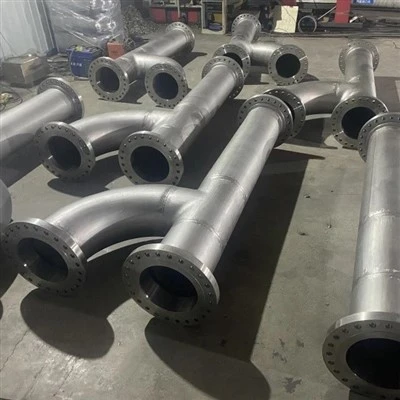
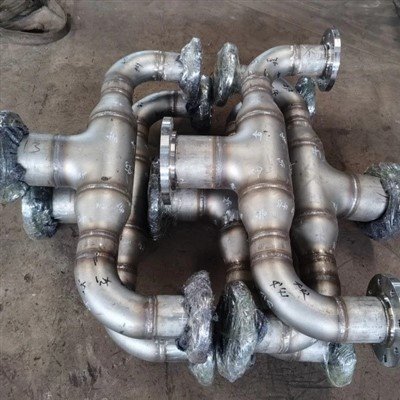
Hastelloy C276, known by its standard designations UNS N10276 and W.Nr. 2.4819, is a nickel-molybdenum-chromium superalloy.
Whether you're involved in chemical processing, pollution control, or aerospace engineering, understanding the factors affecting Hastelloy C276's price is crucial for budgeting and purchasing.

This guide provides a detailed breakdown of its cost drivers and current market.
Factors Influencing Hastelloy C276 Price
The price of Hastelloy C276 is not a single figure but is determined by several factors.
Nickel prices, in particular, serve as a major benchmark, meaning fluctuations directly impact the base cost of the alloy. The primary cost component is the raw material value. As a nickel alloy containing significant amounts of elements like molybdenum and chromium, its price is inherently tied to the global markets for these metals.
Furthermore, the form and dimensions of the product significantly affect the price. Simple forms like round bars or sheets generally cost less per kilogram and are low. The product size also matters; thicker plates or larger diameter bars typically have a higher unit cost compared to their standard counterparts.

The purchase quantity is another critical factor. Suppliers often offer tiered pricing, where the cost per kilogram decreases as the order volume increases. Prices for large industrial bulk orders-often in tons-are negotiated directly with mills or major distributors and are always lower than the per-kilogram price for a small-quantity order. This makes the per/kilogram cost for a 1-ton order significantly lower than for a 1 kilogram sample.
Finally, overhead costs, including manufacturing expenses, supplier margins, and the costs associated with quality certifications, are built into the price. Suppliers with relevant certifications and a proven track record may charge a premium, which is often justified by the assurance of material quality and traceability.
Hastelloy C276 Product Price
The following table provides a general overview of the price ranges for different forms of Hastelloy C276.
|
Product Form |
Price (USD) |
|
Round Bar / Wire |
20.00−45.00 per kg |
|
Sheet / Plate |
~$180.00 and above |
|
Seamless Tube/Pipe |
15.00−45.00 per kg |
|
Fittings |
~$142.81 |
How to Purchase Hastelloy C276?
Bulk Purchases: Suppliers are more likely to offer competitive pricing for orders measured in hundreds of kilograms or tons.
Requirements Precisely: Clearly specify the required product form (bar, tube, sheet), dimensions, ASTM/ASME standards, and delivery condition. This avoids confusion and ensures you get the correct material for your application.
Multiple Quotations: Prices can vary significantly between distributors, mills, and online platforms. It is advisable to obtain quotes from several reputable suppliers. Online B2B platforms like Alibaba list numerous suppliers, providing a good overview of the market range.
Consider Total Cost: Investing in high-quality, certified Hastelloy C276 from a reputable supplier can prevent costly failures, downtime, and maintenance in aggressive chemical environments like those found in flue gas desulfurization systems or chemical reactors.
Alloy C276 Market Price

The price of Hastelloy C276 is influenced by global supply and demand dynamics. Its extensive use in critical industries like chemical processing, pollution control, and oil and gas ensures steady demand.
Furthermore, the alloy's complex manufacturing process, which requires precise control to achieve its signature corrosion resistance, adds to its cost.
As of late 2024 to 2025, prices have shown stability within the ranges mentioned, but buyers should stay informed about global nickel and molybdenum markets for short-term forecasts.
ASTM B474 Hastelloy C276 Specification
ASTM B474 is a product standard for nickel-based alloy seamless pipe. It specifies the technical requirements for materials, manufacturing, and testing of nickel alloy seamless pipe fittings, including Hastelloy C276 (UNS N10276).
|
Specification |
Details |
|
Standard Name |
Standard Specification for UNS N10276, UNS N06022, and UNS N06059 Pipe |
|
Alloys Covered |
UNS N10276 (Hastelloy C276), UNS N06022 (Alloy 22), UNS N06059 (Alloy 59) |
|
Product Forms |
Seamless pipes |
|
Chemical Composition |
Must meet the content ranges specified in the standard. The following is an example of key element requirements from UNS N10276: • Nickel (Ni): Balance • Chromium (Cr): 14.5% - 16.5% • Molybdenum (Mo): 15.0% - 17.0% • Tungsten (W): 3.0% - 4.5% • Iron (Fe): 4.0% - 7.0% • Carbon (C): ≤ 0.01% |
|
Mechanical Properties |
Typically, the minimum requirements are in the annealed condition: • Tensile strength: ≥ 690 MPa • Yield strength: ≥ 283 MPa • Elongation at break: ≥ 40% |
|
Heat Treatment |
Pipes should be solution annealed, typically by heating to an appropriate temperature followed by rapid cooling, to ensure a uniform microstructure and optimal corrosion resistance. |
|
Manufacturing Process |
Manufactured using seamless processes such as extrusion, perforation, or drilling to ensure overall structural integrity, with no longitudinal welds. |
|
Inspection and Testing |
The standard requires multiple tests to ensure quality, typically including: • Chemical composition analysis • Mechanical property testing • Hardness testing • Nondestructive testing • Hydrostatic testing or nondestructive testing • Dimensional inspection |
|
Surface Quality |
The internal and external surfaces of the pipe must be smooth and clean, free of defects such as cracks, folds, and heavy skin that could be detrimental to service. Individual minor defects within acceptable limits are permitted. |
Alloy 20 vs Hastelloy C276

Chemical Composition: Alloy 20 typically contains nickel, chromium, and molybdenum, with iron as the balance. Hastelloy C-276 typically includes molybdenum, chromium, and tungsten, with nickel as the balance.
Corrosion Resistance: Alloy 20 exhibits excellent corrosion resistance to sulfuric acid and good resistance to chlorides, making it a cost-effective choice for chemical processing and marine environments. However, Hastelloy C276 offers more comprehensive and robust corrosion resistance, making it suitable for a wider range of more extreme corrosive conditions.
Mechanical Properties: Alloy 20 exhibits good mechanical strength at moderate temperatures, making it suitable for many general chemical processing applications. Hastelloy C276 maintains higher strength and better creep resistance over a wider temperature range.
Machinability and Cost: Alloy 20 offers good machinability and, due to its relatively low nickel content and lack of tungsten, is significantly less expensive than Hastelloy C276.
Hastelloy C276, however, has a higher tendency to work hardening due to its high alloying content, particularly high molybdenum and tungsten contents, making it more difficult to machine, which increases the cost of manufacturing complex components.
Furthermore, the material price of C276 is higher, making the cost of Hastelloy C276 products significantly higher than Alloy 20.