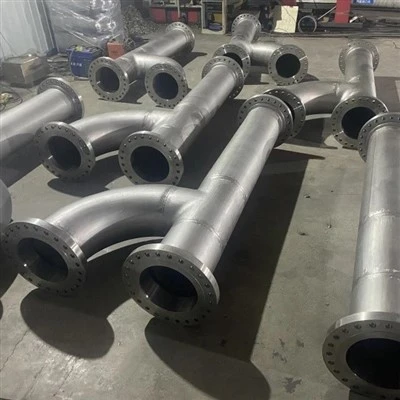
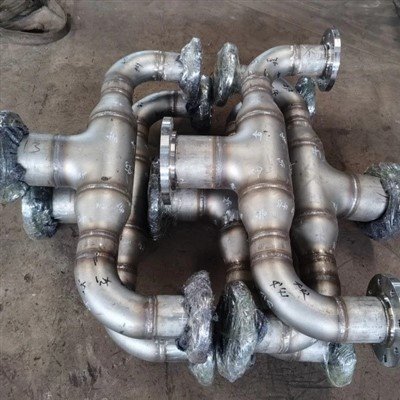
For engineers facing harsh chemical processes, selecting the right nickel-chromium-molybdenum (Ni-Cr-Mo) alloy is critical. Two premium options - Hastelloy C2000 and Hastelloy C276 - offer outstanding corrosion resistance but differ significantly in composition and performance. This article cuts through marketing claims to objectively compare these alloys using verifiable technical data and real-world application cases.

Chemical Composition and Metallurgy
Hastelloy C276 (UNS N10276) is a nickel-chromium-molybdenum-tungsten alloy designed in the 1960s. Its composition (approx. 57% Ni, 16% Cr, 16% Mo, 4% W, 0.01% C) makes it highly resistant to harsh chemicals. C2000 (UNS N06200), developed in the 1990s, features 59% nickel but adds 1.6% copper while reducing molybdenum to <16%. This seemingly small change critically expands its capabilities against sulfuric and hydrochloric acids where C276 falls short. Neither alloy contains cobalt or iron that limits many older Hastelloy grades.
Corrosion Resistance
Both alloys excel in reducing environments but behave differently against highly corrosive substances. Testing per ASTM G31 and G48 standards reveals C2000's advantage against hydrochloric acid: it withstands concentrations up to 5% at boiling temperature vs. C276's 1% limit. This directly results from C2000's copper content. C276 retains superiority in highly oxidizing chlorines (e.g., wet chlorine gas) due to its higher chromium. Against sulfur-containing compounds like sulfuric acid mixtures, C2000 demonstrates >20 mpy resistance at concentrations ≤50% versus C276's limited 20-30% range. Both resist pitting (PREN >65) and crevice corrosion, but C276's extra tungsten improves resistance to hot, salty liquids.
Mechanical Strength and Fabrication
At room temperature, both deliver comparable tensile strength (100-120 ksi UTS) and hardness (HRB 90-100). C2000 shows a slight edge in yield strength (approx. 52 ksi vs. 48 ksi). During fabrication, the alloys behave similarly - both are weldable using ENiCrMo-10 filler (AWS A5.14). Key warning: C2000 requires low-carbon procedures (<0.02% residual) to prevent carbide precipitation during welding. C276 forgings are less prone to hot cracking, but both need solution annealing (2150°F for C276, 2050°F for C2000 per AMS 5754) after forming. Machining demands tooling designed for gummy alloys-positive rake ceramic tools are standard.
Cost Analysis and Availability
C276 remains the industry standard, leading to wider availability and 15-20% lower cost than C2000. Round bars, plates, pipes, and flanges are stocked by major mills like Haynes International. C2000's specialized copper-matrix requires tighter production controls; lead times run 30-50% longer for large-quantity orders. Lifecycle calculations often justify C2000 when hydrochloric acid resistance reduces reactor replacement needs. For projects using solvents or mild acids without chlorides, C276's lower upfront cost makes economic sense.
Real-World Application Guidelines
Choose Hastelloy C2000 for:
Processes with concentrated sulfuric/hydrochloric acid mixtures
Equipment handling acid chloride salts above 140°F
Components exposed to acetic + formic acid blends
Flue gas systems with sulfur dioxide SO₂
Opt for Hastelloy C276 when:
Handling bleach (sodium hypochlorite) solutions
Reactors for chloroalkali production
Sea water-cooled heat exchangers
Petrochemical units processing sour crude
Paper mill digesters combating chloride stress cracking
Limitations and Failure Case Insights
Neither alloy is universal. C2000 loses effectiveness against nitric acid (>10%) due to copper attack. C276 fails rapidly in hydrofluoric acid environments. Documented field failures occur from misunderstanding these boundaries:
A pharmaceutical plant replaced C276 reactors with C2000 after hydrochloric acid destroyed seals (pH <1 environment)
FGD absorber nozzles lasted 3× longer when switched from C276 to C2000 for wet SO₂ streams
Conversely, a chlorine compressor made from C2000 required redesign after oxidizing chlorine damaged rotors
Industry Data Snapshot
|
Property |
Hastelloy C276 |
Hastelloy C2000 |
Test Standard |
|
Max HCl Temp (°C) |
40 |
60 |
ASTM G31 |
|
Critical Pitting Temp (°C) |
85 |
90 |
ASTM G150 |
|
Yield Strength (MPa) |
350 |
380 |
ASTM E8/E21 |
|
Continuous Use Temp (°C) |
1090 |
1000 |
ASME Sec. II-D |
If your main threats are hydrochloric acid, sulfuric acid, or acid-chloride salts at high temperatures, Hastelloy C2000's copper-enhanced chemistry provides measurable performance gains. For chlorine/sulfide-laden seawater, bleach plants, or oxidizing acidic vapor, Hastelloy C276's chromium/tungsten synergy remains unbeatable. Base selections on certified corrosion test reports - not assumed superiority. Always validate alloy performance against your specific process contaminants, and involve material engineers before procurement. Both alloys represent the pinnacle of corrosion technology when matched to the right challenge.