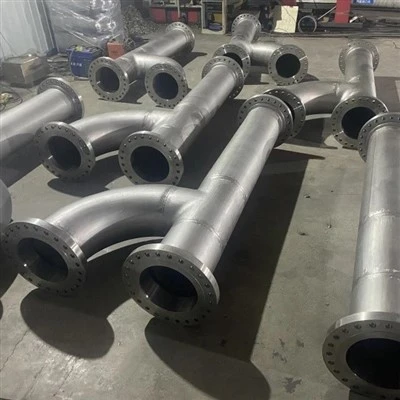
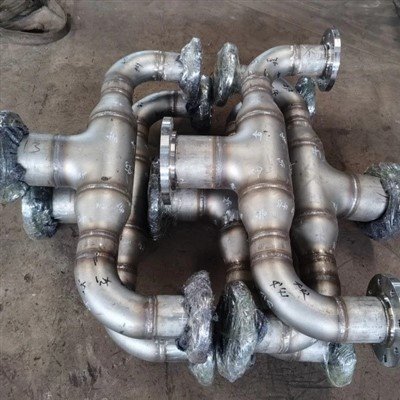
The manufacturing of welded steel pipes primarily revolves around two prominent processes: Electric Resistance Welding (ERW) and High-Frequency Welding (HFW). While HFW is technically a specialized subset of ERW, the distinction between them lies in the welding technique, energy input, and resultant pipe quality.
ERW uses electrical resistance to generate heat for welding steel strips into pipes, whereas HFW utilizes high-frequency currents (typically 100–500 kHz) to create a more precise, localized weld.
What is ERW?
ERW is a pipe manufacturing process where steel coils are unrolled, shaped into cylindrical forms, and welded along the longitudinal seam using electrical resistance as the primary heat source. In traditional ERW, low- or medium-frequency alternating currents (AC) pass through the edges of the steel strip, generating intense heat via resistance.
Once the metal reaches a malleable state, pressure rollers forge the edges together to form a seamless bond. This method, developed in the early 20th century, is lauded for its simplicity and cost-effectiveness.
However, the broad heat-affected zone from lower frequencies can sometimes lead to inconsistent weld integrity, necessitating rigorous quality checks to ensure reliability in less demanding applications.

What Pipes Can Be Produced Using the ERW Process?
The ERW process excels in fabricating pipes with diameters ranging from ½ inch to 24 inches, making it ideal for producing standard-sized pipes used in low-to-medium-pressure environments. Common examples include water distribution lines, structural tubing for construction, fencing, scaffolding, and HVAC systems.
ERW pipes are typically manufactured from carbon steel, stainless steel, or low-alloy steels and are available in various thicknesses. Due to efficiency in high-volume production, ERW is the go-to method for non-critical applications where extreme pressure or corrosive conditions are not a factor, though modern advancements have expanded its use to include some oil and gas pipeline segments with appropriate post-weld treatments.
Advantages and Applications of ERW
ERW pipes offer compelling advantages, starting with economical production costs due to minimal raw material waste and high manufacturing speeds. Their uniform surface finish and dimensional accuracy simplify installation, while versatility in size and material compatibility caters to diverse sectors.
Key applications include municipal water supply networks, natural gas distribution for residential use, automotive chassis components, and agricultural irrigation systems.
Additionally, ERW pipes are frequently used in furniture and retail display structures due to their aesthetic appeal. While they lack the robustness for high-stress environments, their affordability and adaptability ensure enduring relevance in everyday infrastructure and light industrial contexts.
What is HFW?
HFW represents an advanced evolution of ERW, distinguished by its use of high-frequency electrical currents to weld steel pipes. Here, the current is concentrated precisely along the seam edges via contact electrodes or induction coils, creating an intense, localized heat that fuses the metal without extensive melting.
This precision minimizes the heat-affected zone (HAZ), resulting in a stronger, cleaner weld that closely mimics the properties of seamless pipe. HFW emerged to address the limitations of conventional ERW, leveraging modern technology to achieve superior metallurgical bonding, making it indispensable for critical, high-performance applications.
Advantages of HFW
HFW pipes deliver exceptional weld quality with reduced oxidation and a narrow HAZ, enhancing mechanical strength and fatigue resistance. The process accommodates thinner walls and larger diameters, optimizing material usage without compromising durability.
HFW's precision allows pipes to withstand high-pressure, high-temperature environments, such as deep-water oil drilling or sour gas transport, where defect tolerance is near-zero.
Furthermore, HFW enables the use of higher-grade alloys and advanced steels, improving corrosion resistance in aggressive media. These attributes, coupled with automated quality monitoring during production, position HFW as the premier choice for demanding sectors like offshore energy, petrochemical refineries, and subsea pipelines.
Differences Between ERW and HFW
The primary differences between ERW and HFW stem from welding frequency, energy input, and resultant quality.
Traditional ERW uses low-frequency currents (10–400 Hz), creating a broader HAZ and potential for weld inconsistencies, whereas HFW's high-frequency current (100+ kHz) ensures a focused, rapid weld with superior integrity.
Consequently, HFW pipes exhibit higher tensile strength and pressure ratings, qualifying them for critical applications like oil/gas transmission, while ERW suits lower-pressure utilities.
Production-wise, HFW demands more sophisticated equipment and stricter controls, increasing costs but delivering near-seamless performance.
Material versatility also diverges: ERW handles basic carbon steels effectively, but HFW excels with high-strength, corrosion-resistant alloys.
Ultimately, HFW's precision makes it a specialized upgrade to conventional ERW, aligning with rigorous industrial standards where failure is not an option.
Conclusion
Choosing between ERW and HFW steel pipes hinges on balancing cost, performance requirements, and application criticality. ERW remains a reliable, economical solution for general-purpose projects, while HFW's technological edge ensures safety and longevity in extreme conditions. Understanding these differences empowers engineers and procurement teams to optimize infrastructure investments, driving efficiency and resilience across industries.