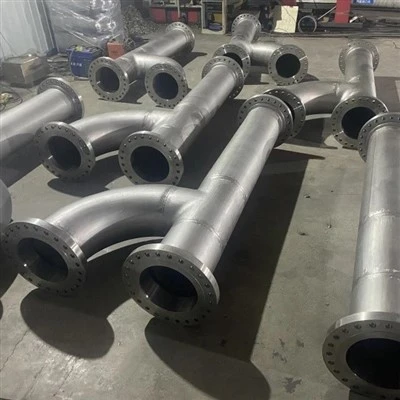
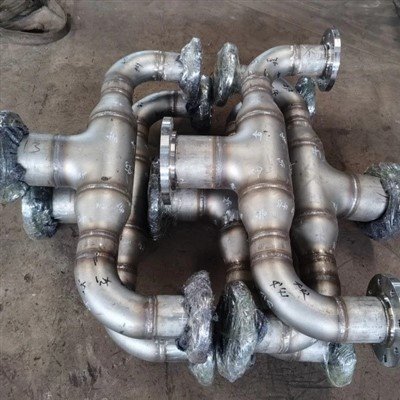
Alloy G30 (UNS N06030) plates: this premium nickel-chromium-iron-molybdenum alloy represents one of the most advanced corrosion-resistant materials available for demanding industrial applications, particularly in phosphoric acid processing environments.

Alloy 30 Material Overview
Alloy G30 (HASTELLOY® G-30®), designated as UNS N06030 and W.Nr. 2.4603, is a superaustenitic nickel-based alloy engineered for exceptional resistance to "wet process" phosphoric acid and other oxidizing acid environments.
The alloy's high chromium content (approximately 30%) provides superior resistance to oxidizing acids such as nitric acid, while its appreciable molybdenum and copper contents deliver moderate resistance to reducing acids, including hydrochloric and sulfuric acid.
This material is widely specified for reactors, heat exchangers, and process equipment in chemical processing, fertilizer production, and power generation industries where corrosion resistance is paramount.
Alloy 30 Plate Chemical Composition
The chemical composition of Alloy G-30 is optimized for maximum corrosion resistance according to ASTM B582 standards.
The nominal composition is as follows:
|
Element |
Weight Percentage (%) |
|
Nickel (Ni) |
Balance (~43%) |
|
Chromium (Cr) |
28.0 - 31.5 |
|
Iron (Fe) |
13.0 - 17.0 |
|
Molybdenum (Mo) |
4.0 - 6.0 |
|
Tungsten (W) |
1.5 - 4.0 |
|
Copper (Cu) |
1.0 - 2.4 |
|
Manganese (Mn) |
≤ 1.5 |
|
Silicon (Si) |
≤ 0.8 |
|
Carbon (C) |
≤ 0.03 |
|
Phosphorus (P) |
≤ 0.04 |
|
Sulfur (S) |
≤ 0.02 |
|
Cobalt (Co) |
≤ 5.0 |
|
Niobium (Nb) |
~0.8 |
Key Composition Notes:
High chromium content enhances resistance to phosphoric and nitric acids
Molybdenum and tungsten improve pitting and crevice corrosion resistance
Copper addition provides enhanced resistance to sulfuric acid environments
Low carbon content minimizes sensitization during welding
Alloy 30 Plate Physical Properties
Understanding the physical properties of Alloy G-30 is essential for proper engineering design and material selection:
|
Property |
Value (Metric) |
Value (Imperial) |
|
Density |
8.22 g/cm³ |
0.297 lb/in³ |
|
Melting Point |
1370 - 1400°C |
2498 - 2552°F |
|
Thermal Conductivity (20°C) |
10.0 - 10.2 W/m·K |
69 BTU·in/h·ft²·°F |
|
Electrical Resistivity (RT) |
1.16 µohm·m |
45.7 µohm·in |
|
Dynamic Modulus of Elasticity |
202 GPa |
29.3 × 10⁶ psi |
|
Specific Heat |
480 J/kg·K |
- |
|
Magnetic Permeability |
Non-magnetic |
Non-magnetic |
The non-magnetic nature of UNS N06030 makes it ideal for applications requiring minimal magnetic interference.
Alloy 30 Plate Mechanical Properties
Room Temperature Mechanical Properties (Annealed Condition)
Alloy G30 plates exhibit excellent mechanical strength combined with superior ductility, making them suitable for fabricating complex process equipment:
|
Property |
Value |
|
Yield Strength (0.2% Offset) |
310 - 415 MPa (45 - 60 ksi) |
|
Ultimate Tensile Strength |
676 - 830 MPa (98 - 120 ksi) |
|
Elongation |
40 - 65% |
|
Hardness (Plate, Annealed) |
80 HRBW |
|
Reduction of Area |
53 - 65% |
Mechanical Properties by Plate Thickness
The following table presents tensile properties for various plate thicknesses in the solution-annealed condition:
|
Plate Thickness |
Yield Strength |
Tensile Strength |
Elongation |
|
6.4 mm (0.25") |
317 MPa (46 ksi) |
676 MPa (98 ksi) |
55% |
|
9.5 mm (0.375") |
310 MPa (45 ksi) |
689 MPa (100 ksi) |
65% |
|
12.7 mm (0.5") |
317 MPa (46 ksi) |
689 MPa (100 ksi) |
64% |
|
19.1 mm (0.75") |
324 MPa (47 ksi) |
676 MPa (98 ksi) |
65% |
|
31.8 mm (1.25") |
310 MPa (45 ksi) |
683 MPa (99 ksi) |
60% |
Elevated Temperature Properties
At elevated temperatures (427°C / 800°F), Alloy G-30 maintains significant strength:
Yield Strength: ~200 MPa (29 ksi)
Tensile Strength: ~600 MPa (87 ksi)
Elongation: ~55%
This retention of mechanical properties at elevated temperatures makes Alloy G-30 suitable for thermal processing applications.
Alloy 30 Plate Specifications and Dimensions
Available Plate Dimensions
Our factory supplies Alloy 30 plates in the following standard specifications, with custom dimensions available upon request:
|
Dimension Type |
Standard Range |
Custom Options |
|
Thickness |
0.5 mm to 50 mm |
Up to 100 mm available |
|
Width |
1000 mm to 2500 mm |
Up to 3000 mm available |
|
Length |
2000 mm to 12000 mm |
Custom lengths available |
Standard Plate Finishes
|
Finish Type |
Description |
Application |
|
Hot-Rolled |
As-rolled from mill |
General industrial use |
|
Annealed |
Solution heat-treated |
Optimal corrosion resistance |
|
Descaled |
Pickled and passivated |
Enhanced surface quality |
|
2B Finish |
Cold-rolled, annealed, pickled |
Standard mill finish |
|
No. 4 Finish |
Brushed/polished |
Aesthetic applications |
Tolerance Standards
All Alloy 30 plates are manufactured to meet or exceed the following tolerance standards:
Thickness Tolerance: ±0.05 mm (for thicknesses ≤10 mm); ±0.1 mm (for thicknesses >10 mm)
Width Tolerance: ±2 mm
Length Tolerance: ±5 mm
Flatness: Per ASTM A480 standards
Alloy 30 Plate Standards and Certifications
Alloy 30 plates are manufactured and tested in compliance with international standards:
Applicable Specifications
|
Standard |
Description |
|
ASTM B582 |
Plate, Sheet, and Strip |
|
ASME SB-582 |
Pressure Vessel Code |
|
ASTM B622 |
Seamless Pipe and Tube |
|
ASTM B626 |
Welded Pipe and Tube |
|
ASTM B472 |
Rod and Bar |
|
DIN 2.4603 |
German Standard (NiCr30FeMo) |
|
NACE MR0175 |
Sour Service Applications |
|
ISO 15156 |
Petroleum and Natural Gas Industries |
Quality Certifications
All Alloy 30 plate shipments include:
Mill Test Reports (MTR) per EN 10204 3.1
Chemical Analysis Certificate
Mechanical Property Test Reports
Non-Destructive Testing (NDT) options available
Third-Party Inspection available upon request
Alloy 30 Plates Corrosion Resistance Performance
Alloy 30 demonstrates exceptional corrosion resistance in various aggressive environments:
|
Environment |
Performance Rating |
|
Phosphoric Acid (all concentrations) |
Excellent |
|
Nitric Acid |
Excellent |
|
Sulfuric Acid |
Very Good |
|
Hydrochloric Acid |
Good |
|
Pitting/Crevice Corrosion |
Excellent |
|
Stress Corrosion Cracking |
Excellent |
|
Intergranular Corrosion |
Excellent (low carbon) |
The alloy's corrosion resistance surpasses Alloy 625 in phosphoric acid environments, making it the preferred choice for fertilizer production and wet-process phosphoric acid applications.
Alloy 30 Plate Typical Applications

Alloy G30 plates are specified for critical applications across multiple industries:
Chemical Processing
Phosphoric acid reactors and vessels
Acid storage tanks
Heat exchangers and condensers
Pickling equipment
Fertilizer Industry
Wet-process phosphoric acid plants
Evaporators and crystallizers
Pump housings and impellers
Power & Energy
Flue gas desulfurization systems
Pollution control equipment
Waste incineration systems
Welding & Fabrication
Weld overlay applications
Cladding for carbon steel vessels
Fabricated process equipment
Alloy 30 Plate Fabrication and Welding Guidelines
Forming
Alloy G-30 can be hot-formed at temperatures between 1150°C - 1200°C
Cold forming requires intermediate annealing for severe deformations
Minimum bend radius: 2× plate thickness for annealed material
Welding
Recommended Filler Metal: ERNiCrMo-11 (AWS A5.14)
Welding Processes: GTAW (TIG), GMAW (MIG), SMAW
Pre-heat: Not required for thicknesses ≤25 mm
Post-Weld Heat Treatment: Solution anneal at 1150°C minimum, followed by rapid quench
Machining
Use rigid setups with positive rake angles
Recommended cutting speeds: 30-50% of carbon steel rates
Use generous coolant flow to prevent work hardening
Conclusion
Our factory maintains an extensive inventory of Alloy G-30 plates in standard dimensions and offers custom manufacturing to meet your specific project requirements. All materials are supplied with full traceability and certification to ensure compliance with your quality standards.
For technical consultation, pricing, or to request a sample, please contact our sales team. We are committed to providing expert guidance to ensure optimal material selection for your application.