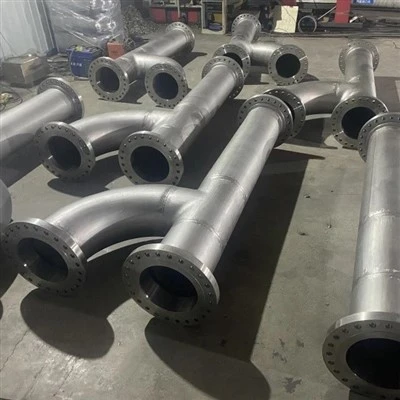
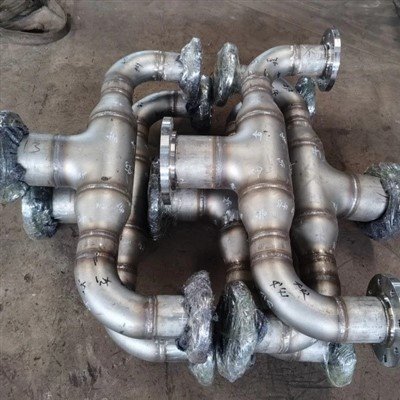
Understanding ASTM A182 F304L
ASTM A182 F304L is a specific grade material standard governing forged or rolled alloy and stainless steel pipe flanges, forged fittings, valves, and parts for high-temperature service. The "F304L" designation signifies that it is made from the UNS S30403 austenitic stainless steel alloy, known as 304L. This material is prized across industries like chemical processing, oil and gas, power generation, pharmaceuticals, food and beverage, and water treatment due to its well-balanced combination of properties essential for reliability in harsh environments.

Superior Corrosion Resistance
The primary advantage of ASTM A182 F304L lies in its excellent corrosion resistance. This stems from its carefully controlled chemical composition – primarily chromium (18-20%), nickel (8-12%), and a very low carbon content (0.03% maximum). The chromium creates a self-healing, protective passive layer (chromium oxide) on the surface that shields the underlying metal. This makes F304L exceptionally resistant to a wide range of corrosive environments, including oxidizing acids, organic acids, freshwater, many alkalis, and moderate levels of chloride-containing solutions. The "L" designation indicates Low carbon, crucial for minimizing the formation of chromium carbides during welding or exposure to high temperatures (425-860°C / 800-1580°F). Preventing these carbides means maintaining chromium levels in the surrounding areas, significantly reducing the risk of intergranular corrosion attack near welds or heat-affected zones, a weakness of higher carbon grades like standard 304.
High-Temperature Competency and Mechanical Integrity
ASTM A182 F304L performs reliably in elevated temperature applications. Its austenitic structure provides good strength and retains ductility across a wide temperature range, from cryogenic conditions up to moderate high temperatures (up to about 425°C / 800°F continuously). While its high-temperature strength might be lower than carbon steels, its crucial advantage remains good oxidation resistance at these moderate elevated temperatures. Continuous service above 425°C can be limited over time due to sensitization concerns, but F304L's low carbon inherently delays this onset compared to standard 304. The material offers excellent toughness and impact resistance, even at sub-zero temperatures, making it suitable for applications experiencing thermal cycling or potential impacts.
Weldability and Fabrication Ease
The low carbon content of ASTM A182 F304L directly translates into superior weldability compared to its standard 304 counterpart (ASTM A182 F304). It is readily welded by all conventional fusion welding methods and some resistance methods. The significantly reduced risk of chromium carbide precipitation during welding means parts made from F304L can often be used in the "as-welded" condition without requiring subsequent solution annealing heat treatment for optimal corrosion resistance. This is a major logistical and cost advantage in complex fabrication or field repairs, simplifying project timelines and reducing the risk of introducing thermal distortion during post-weld heat treatment.
Corrosive Performance
ASTM A182 F304L offers reliable performance against common corrosive challenges in refinery, chemical, and process environments. It demonstrates good resistance to strong nitric acid across many concentrations and temperatures. It handles dilute sulfuric and acetic acid solutions well under moderately oxidizing conditions and resorts to acetic and citric acid effectively, making it suitable for hygienic applications. While not recommended for stagnant salt water or very high chloride environments prone to pitting and crevice corrosion (where higher alloyed steels like 316L would be better), F304L generally handles moderate chloride concentrations effectively, especially when surfaces are kept clean and well aerated.
Special Processes
Compliant ASTM A182 F304L components undergo controlled forging processes. Reputable manufacturers employ advanced forging and heat treatment techniques. Solution annealing (heating to around 1040-1120°C / 1900-2050°F followed by rapid quenching) is mandatory for F304L to maximally dissolve carbides and achieve the right microstructure, ensuring maximum corrosion resistance and ductility. Supplementary processes like pickling (using nitric/hydrofluoric acid solutions) remove surface scale formed during annealing and passivates the surface, reinforcing the protective chromium oxide film and boosting corrosion resistance.
Reliability
The performance integrity of ASTM A182 F304L forgings is underpinned by rigorous quality control. Positive Material Identification (PMI) by XRF or OES Spectrometry guarantees the alloy chemistry meets strict S30403 requirements. Standard mechanical testing (Tensile, Hardness, Impact) verifies the material meets the strength and ductility specifications outlined in ASTM A182. Additional testing, such as intergranular corrosion testing per ASTM A262 Practice E or ferrite content measurement via magne-gauge, provides further assurance against specific failure modes like weld decay. Pitting corrosion resistance may also be evaluated using tests like ASTM G48.
Availability and Critical Certifications
As one of the most common austenitic stainless steel grades globally, ASTM A182 F304L forged components are readily available in a comprehensive range of shapes, sizes, and pressure ratings. This widespread use translates into efficient logistics and access to inventory. Crucially, compliance with ASTM A182 ensures the material meets specific mechanical, chemical, and dimensional properties relevant for pressure-containing parts. Reputable manufacturers supply full Material Test Reports (MTRs / Mill Test Certificates) demonstrating ASTM A182 compliance, often meeting supplementary requirements. Forgings can also carry certifications like ASME Section II, Section IX for welding, PED for Europe, NACE MR0175/MR0103 for sour service (when qualified), and ISO 9001 for quality management.
Conclusion
The advantages of ASTM A182 F304L material make it a cornerstone choice for countless critical applications. Its exceptional combination of proven corrosion resistance, good mechanical properties across temperatures, excellent weldability, straightforward fabrication characteristics, and widespread availability with traceable certifications deliver unmatched reliability and value. When specifying flanges, fittings, valves, or other forged parts for demanding environments involving corrosion and moderate temperatures, ASTM A182 F304L remains a trusted, cost-effective, and high-performing stainless steel solution.
Choose JN with Confidence. As your reliable partner for certified ASTM A182 F304L forged products conforming to all required international standards, we ensure the consistent material quality and traceability your critical applications demand. Contact us for a quote and technical support.