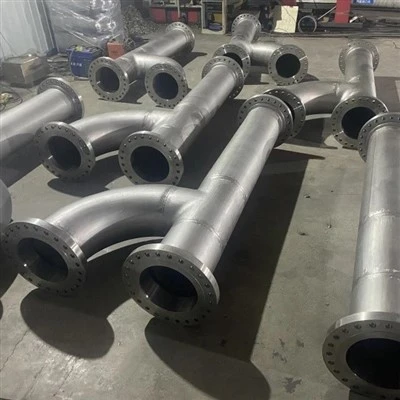
3/16 steel plate is a versatile and widely used metal sheet recognized for its balanced combination of strength, durability, and workability. Falling between thinner gauges and thicker plates, the 3/16 inch thickness (approximately 4.76 mm) offers enough rigidity for structural applications while remaining easy to cut, weld, and fabricate. Its adaptability makes it a preferred choice across industries such as construction, manufacturing, transportation, and engineering.
This article explores the definition, properties, specifications, common uses, pricing factors, weight calculations, and key takeaways regarding 3/16 steel plate, providing professionals and hobbyists alike with essential insights for material selection and procurement.

What is 3/16 Steel Plate?
"3/16 steel plate" refers to a flat-rolled steel sheet measuring 3/16 of an inch (0.1875 inches or ~4.76 mm) in thickness. It belongs to the category of medium-thickness steel plates, distinguishing it from thinner sheets and thicker plates. Manufacturers produce 3/16 steel plates through either hot-rolling or cold-rolling processes, with hot-rolled steel being more common due to its cost-effectiveness and structural integrity.
These plates come in varying widths and lengths, with standard sizes including 4'x8' sheets, though custom dimensions are available for specialized applications. The plate's composition varies depending on the steel grade, such as A36 mild steel, stainless steel 304/316, or high-strength alloys, each tailored for specific mechanical and corrosion-resistant properties.
3/16 Steel Plate Properties
The material properties of a 3/16 steel plate depend largely on its grade and manufacturing process.
Common grades like ASTM A36, a low-carbon mild steel, exhibit a tensile strength of around 58,000–80,000 psi, yield strength of 36,000 psi, and approximately 20% elongation, making it highly ductile and weldable.
Stainless steel variants offer superior corrosion resistance due to chromium and nickel content, along with increased tensile strength (~75,000 psi). Hot-rolled 3/16 plates typically have a slightly rougher surface and less precise dimensional tolerances compared to cold-rolled steel, which undergoes additional processing for smoother finishes and tighter tolerances.
Thermal conductivity, electrical resistivity, and impact resistance also vary by alloy, influencing suitability for high-temperature environments, electrical enclosures, or structural load-bearing components.
3/16 Steel Plate Specifications
Industry-standard specifications govern the dimensions, tolerances, and mechanical properties of 3/16 steel plates.
ASTM A36 remains the most widely recognized specification for general-purpose carbon steel plates in the U.S., while international equivalents include EN S235JR and JIS SS400. Stainless steel variants follow ASTM A240, with thickness tolerances typically within ±0.014" for cold-rolled sheets and slightly looser (±0.015"–0.020") for hot-rolled plates.
Weight tolerances generally allow ±5% variation for commercial orders. Additional coatings-such as galvanized, powder-coated, or pre-painted finishes, enhance corrosion resistance for outdoor or chemically aggressive environments. Engineers and buyers must refer to material test reports to verify compliance with specifications regarding chemistry, hardness, and mechanical testing data.
3/16 Steel Plate Applications
3/16 steel plate serves diverse applications across multiple industries due to its optimal thickness-to-strength ratio.
In construction, it reinforces structural frameworks, flooring, and stair treads, where moderate weight and rigidity are needed. Manufacturing sectors utilize it for machinery guards, automotive brackets, and hydraulic equipment housings.
The transportation industry employs 3/16 plates in trailer beds, truck bumpers, and railcar components, benefiting from its weldability and impact resistance. Stainless steel versions dominate food processing, pharmaceutical, and marine applications due to hygienic surfaces and corrosion resilience.
Artistic and architectural uses include decorative panels, sculptures, and signage, where cutting and forming ease allows intricate designs.
Additionally, military and aerospace applications leverage high-strength alloy versions for armor plating and heavy-duty wear parts subjected to extreme stress.
3/16 Steel Plate 4x8 Price
The price of a standard 4'x8' (48"x96") sheet of 3/16 steel plate fluctuates based on material grade, market conditions, and supplier location. As of mid-2024, hot-rolled A36 steel plates range from 300–500 per sheet, while cold-rolled variants may cost 350–600.
Stainless steel grades are significantly pricier, averaging 700–1,200 per sheet, reflecting alloying costs and corrosion-resistant properties. Abrasion-resistant steels command premiums due to their hardened surfaces.
Additional factors influencing pricing include order volume, processing fees, transportation logistics, and regional tariffs on imported steel.
Buyers should monitor steel indices for real-time pricing trends and consult multiple suppliers for competitive quotes to optimize procurement budgets.
3/16 Steel Plate Weight
Calculating the weight of a 3/16 steel plate is essential for structural design, shipping logistics, and load-bearing assessments. The theoretical weight per square foot can be derived using steel's density (~0.283 lb/in³):
Weight (lb/ft²)=Thickness (inches)×Area (in²)×Density
For a 3/16" (0.1875") plate:
0.1875in×144in²/ft²×0.283lb/in³ = 7.65lb/ft²
Thus, a standard 4'x8' sheet weighs:
32ft²×7.65lb/ft² = 244.8lbs
Weight variations arise from alloy content-for example, stainless steel 304 weighs ~7.9 lb/ft² due to higher nickel/chromium density. Engineers can use online calculators or consult ASTM weight tables for precise figures relevant to specific grades and dimensions.
Summary
3/16 steel plate is a fundamental material bridging the gap between thin sheets and heavy plates, prized for its versatility across industrial, commercial, and artistic applications. With thickness standardized at ~4.76 mm, it provides an ideal balance of strength and workability, available in carbon steel (A36), stainless steel (304/316), and abrasion-resistant (AR400) grades.
Key properties include tensile strengths ranging from 36,000–80,000 psi depending on alloy, alongside weldability and corrosion resistance tailored to environmental demands. Pricing varies significantly by material type, influenced by market dynamics and processing methods. Its weight facilitates structural calculations and transportation planning.
Whether reinforcing buildings, fabricating machinery, or resisting chemical wear, the 3/16 steel plate remains indispensable in modern engineering and manufacturing. Users should select grades based on mechanical requirements, budget constraints, and environmental conditions to maximize performance and cost efficiency.